In the unseen interior of every living cell, countless reactions unfold with a steady rhythm. Molecules meet, separate, and transform in sequences so intricate that they resemble a vast choreography rather than a simple chemical exchange. Among these moving parts are nutrients drawn from the outside world—tiny compounds that, once inside the body, become essential participants in life’s internal machinery.
One of these nutrients is Vitamin B5, also known as pantothenic acid. It is found in many foods and is often described in nutrition guides as a vitamin that helps the body produce energy. Yet for scientists studying the chemistry of living cells, the deeper story of this molecule has remained partly unresolved.
Recent research has shed new light on how a specific molecule derived from vitamin B5 functions within the cellular environment. The compound plays a central role in forming Coenzyme A, a molecule that helps drive some of the most fundamental metabolic reactions in living organisms.
Coenzyme A is a small but remarkably versatile participant in metabolism. Inside cells, it acts as a carrier for chemical groups—particularly carbon-based fragments that must be transferred from one reaction to another. Through this role, it becomes essential in processes such as the breakdown of fats, carbohydrates, and proteins.
Scientists have long known that vitamin B5 is required to build coenzyme A. What has been less clear is how certain intermediate molecular forms behave as they move through the complex pathway that converts a dietary vitamin into a powerful metabolic tool.
Using advanced biochemical and structural techniques, researchers have now clarified how a particular vitamin B5–derived molecule forms and interacts with enzymes inside the cell. The work reveals previously hidden details about how the molecule changes shape and how enzymes guide it through successive steps of the metabolic pathway.
In many ways, the process resembles a carefully managed assembly line. Enzymes—specialized protein catalysts—recognize the vitamin-derived compound and modify it in precise ways, adding chemical groups and reshaping its structure until it becomes the fully functional coenzyme A molecule.
Once formed, coenzyme A becomes a central participant in cellular energy systems. It carries acetyl groups and other molecular fragments into key biochemical cycles, including the pathways that generate energy within mitochondria.
These processes ultimately contribute to the production of Adenosine triphosphate, the molecule widely known as the primary energy currency of the cell. In this sense, the transformation of vitamin B5 into coenzyme A represents one of the many quiet bridges between nutrition and cellular activity.
Understanding these steps in greater detail may help researchers explore new therapeutic possibilities. Because coenzyme A is involved in so many metabolic reactions, disruptions in its production can affect cellular health and may be linked to certain metabolic or neurological conditions.
The study provides a clearer picture of how vitamin B5 molecules are processed within cells and how their derivatives contribute to the biochemical pathways that sustain life.
AI Image Disclaimer
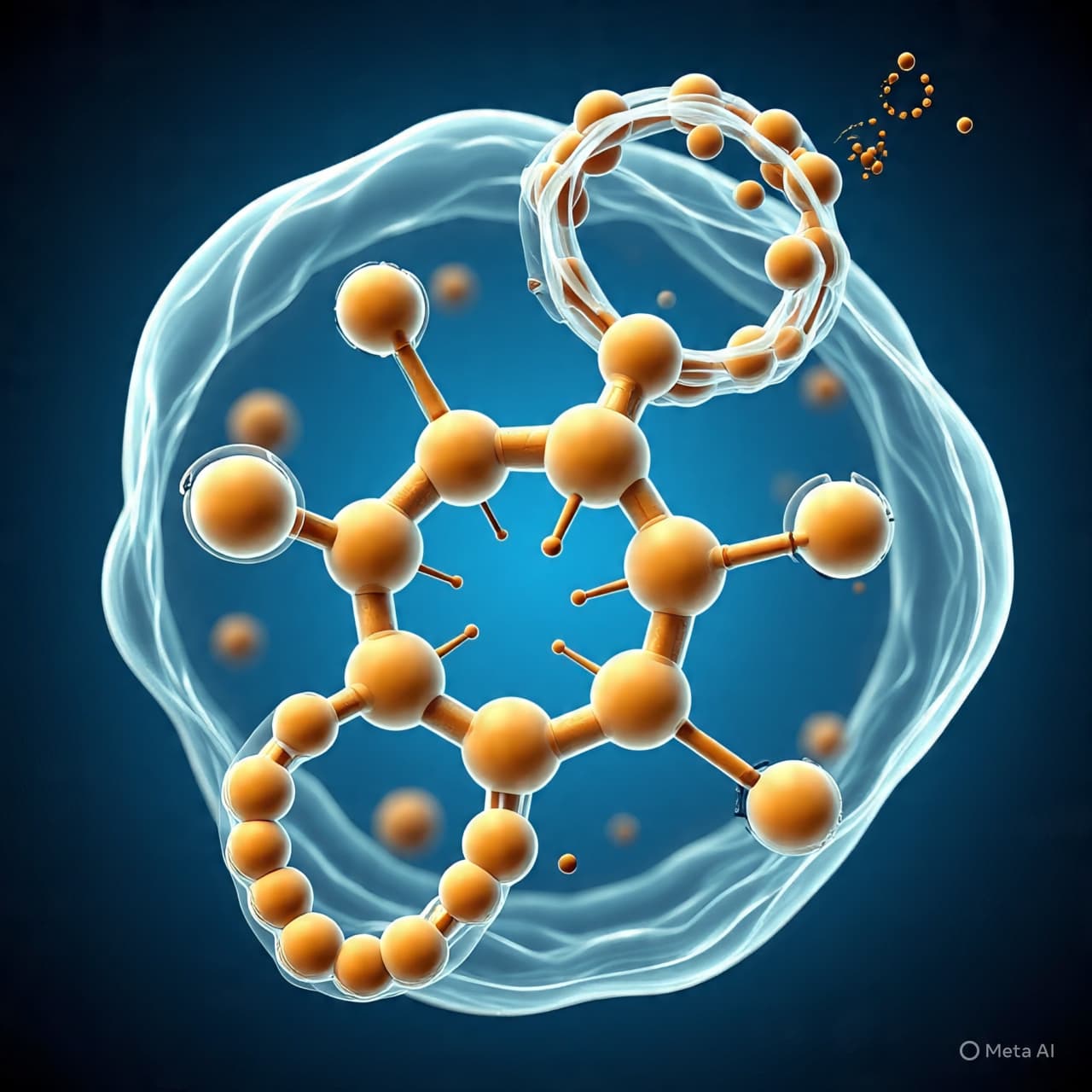
Illustrations were generated using AI tools to visualize molecular processes and do not represent laboratory images or direct scientific micrographs.
Source Check
Credible coverage and/or primary reporting exist from: ScienceDaily Phys.org Nature Chemical & Engineering News Medical Xpress
Published by Banx Network. This article is part of the Banx decentralized media programme, powered by the BXE token on the XRP Ledger.