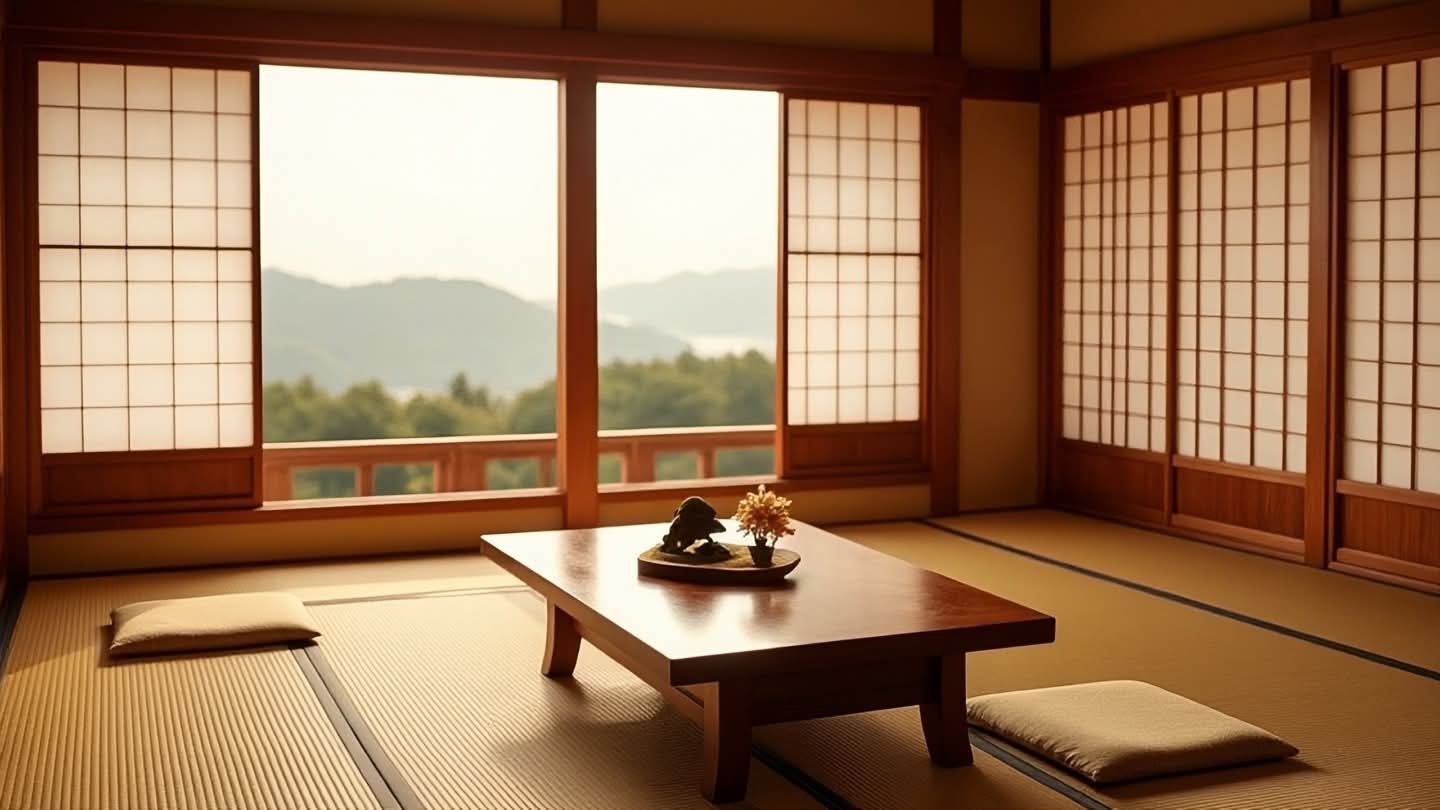
In the heart of Tokyo, where the pulse of a bustling metropolis never truly slows, the Prime Minister’s official residence stands as a quiet fortress of contemplation. Sanae Takaichi, Japan’s leader, has recently opened up about her tendency to spend long hours in seclusion within these walls. In a political culture that often prizes visibility and constant engagement, her preference for solitude offers a different perspective on leadership—one rooted in deep reflection, strategic patience, and the quiet strength found in stillness.
For many observers, the image of a leader withdrawing from the public eye might seem counterintuitive. Yet, Takaichi describes this time not as isolation, but as a necessary period of mental recalibration. The demands of governing a complex nation like Japan require not just rapid decision-making, but also the space to consider the long-term implications of policy. In the silence of her residence, away from the clamor of press conferences and parliamentary debates, she finds the clarity needed to navigate intricate diplomatic and domestic challenges.
This approach reflects a broader philosophical stance on leadership that values depth over breadth. Takaichi suggests that true understanding of national issues comes from uninterrupted thought, allowing connections to be made that might otherwise be missed in the rush of daily affairs. It is a reminder that leadership is not solely about action, but also about contemplation. By stepping back, she aims to step forward with greater precision and purpose, ensuring that her decisions are well-considered and resilient.
The reaction from the public and political peers has been mixed but largely respectful. Some appreciate her honesty and the humanizing glimpse into the pressures of high office. Others worry that excessive seclusion might lead to a disconnect from the everyday realities of citizens. However, Takaichi emphasizes that her time alone is balanced with rigorous engagement when she does emerge, ensuring that her insights are grounded in both theory and practice.
Historically, Japanese leadership has often valued introspection, drawing from cultural traditions that esteem silence and mindfulness. Takaichi’s style resonates with these deeper currents, suggesting a return to roots even as she navigates modern global politics. It challenges the Western notion that leadership must always be loud and visible, proposing instead that quiet authority can be equally powerful. This cultural nuance adds a layer of richness to her governance style.
Critics may argue that transparency requires constant presence, but supporters see her seclusion as a safeguard against impulsive reactions. In an era of instant communication and 24-hour news cycles, the ability to pause and reflect is a rare commodity. Takaichi’s choice to prioritize this mental space is a deliberate strategy to maintain stability and foresight. It serves as a model for leaders who feel overwhelmed by the relentless pace of modern politics.
As she continues to serve, the balance between seclusion and public duty will remain a topic of discussion. Her explanation invites a broader conversation about how leaders manage their well-being and cognitive load. It highlights the importance of creating spaces for thought in a world that rarely stops moving. For Takaichi, the residence is not just a home, but a sanctuary for the mind.
In the end, her story is one of intentional leadership. It reminds us that behind every public figure is a private individual seeking clarity and peace. For Japan, it offers a leader who values thoughtfulness as much as action. The hope is that this balance will yield policies that are not only effective but also deeply considered, benefiting the nation in the long run.
AI Image Disclaimer: The visual elements in this article are AI-generated illustrations depicting serene interior spaces and abstract representations of contemplation, designed to reflect the themes of leadership and solitude without showing real proprietary images of the Prime Minister’s residence or specific individuals.
Sources: The Japan Times, NHK World, Kyodo News, Asahi Shimbun
Published by Banx Network. This article is part of the Banx decentralized media programme, powered by the BXE token on the XRP Ledger.