
Key Highlights
- Colon cancer is one of the most common cancers, often progressing silently.
- Early detection through screening can significantly improve survival rates.
- Subtle symptoms like changes in bowel habits can indicate underlying issues.
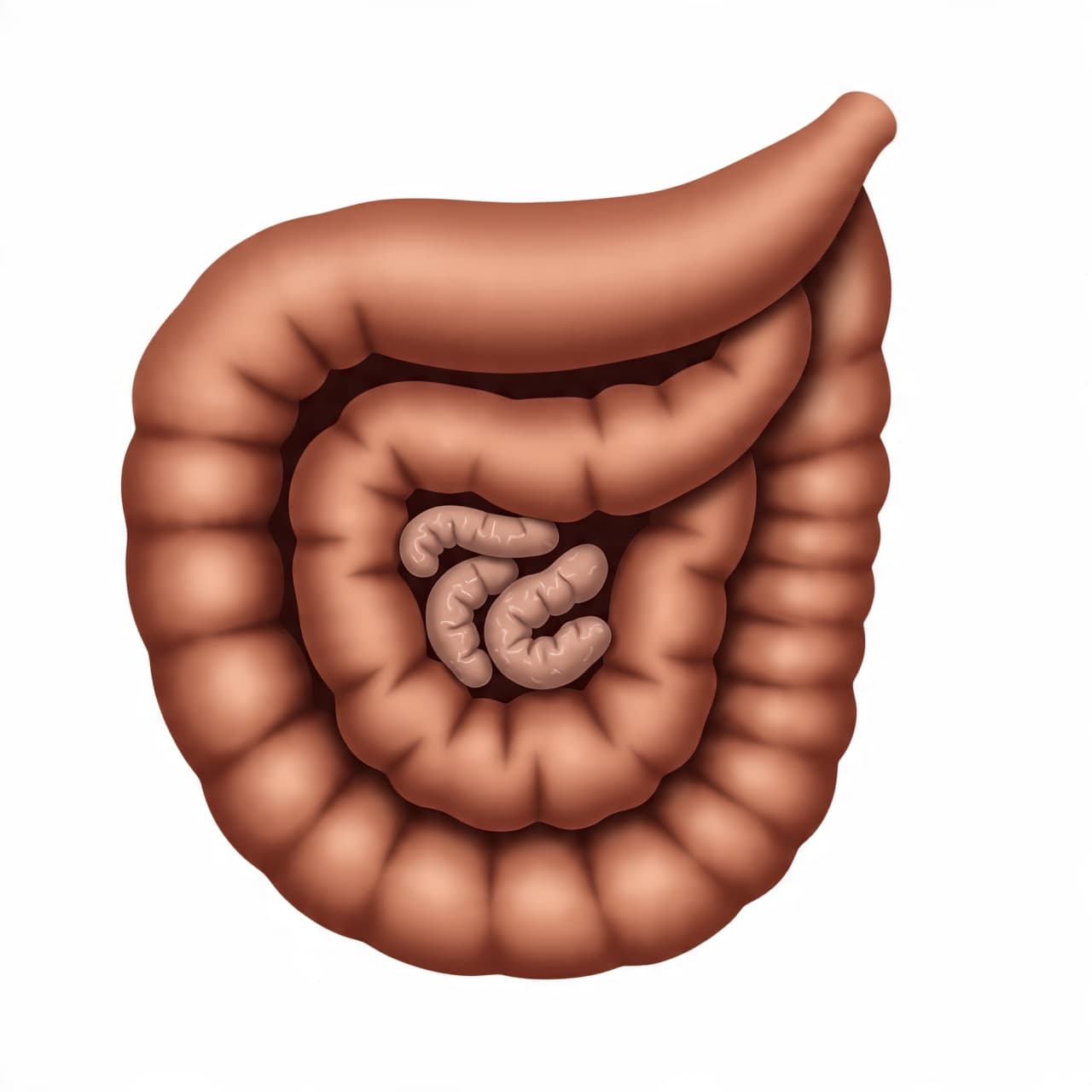
Colon cancer remains one of the most prevalent and preventable cancers, yet it often progresses silently until it reaches advanced stages. Gastroenterologists emphasize the critical importance of early detection, sharing insights into the disease's visual manifestations within the body and the subtle signs that many individuals may overlook. Understanding both the visual presentation of colon cancer and its early symptoms can be crucial in saving lives.
Inside the colon, cancer typically begins as small polyps—growths on the lining of the intestine that can initially be benign but may develop into malignant tumors over time. During colonoscopies, these polyps are often the first visible warning signs. If left undetected, they can grow and invade surrounding tissues, sometimes spreading to lymph nodes or other organs. This progression is gradual, which is why routine screening is vital for early intervention.
Early warning signs of colon cancer can be deceptively subtle. Gastroenterologists note that changes in bowel habits, such as persistent constipation, diarrhea, or the sensation of incomplete evacuation, may indicate underlying issues. Additionally, symptoms like blood in the stool, unexplained fatigue, and abdominal discomfort are signals that warrant immediate medical attention. Because these symptoms can overlap with less serious digestive conditions, they are frequently overlooked until the disease has advanced significantly.
Medical imaging and colonoscopy provide a crucial window into the colon, allowing healthcare providers to identify polyps, inflammation, and early-stage tumors. Visual identification is often complemented by biopsies, which confirm malignancy and guide treatment decisions. Early-stage detection dramatically increases survival rates, underscoring the importance of awareness and adherence to screening recommendations.
Preventive strategies are equally important in the fight against colon cancer. Diet, lifestyle choices, and regular medical checkups play a significant role in reducing risk. High-fiber diets, regular physical activity, and avoiding tobacco and excessive alcohol consumption can support colon health. Medical professionals strongly encourage adherence to recommended screening intervals, particularly for individuals over the age of 45 or those with a family history of the disease.
The overarching message is clear: colon cancer often develops quietly, but vigilance, knowledge, and timely medical action can make a significant difference. Recognizing subtle changes, understanding the visual progression of the disease, and maintaining routine screenings are key steps in staying ahead of this common yet treatable condition.
Published by Banx Network. This article is part of the Banx decentralized media programme, powered by the BXE token on the XRP Ledger.



