

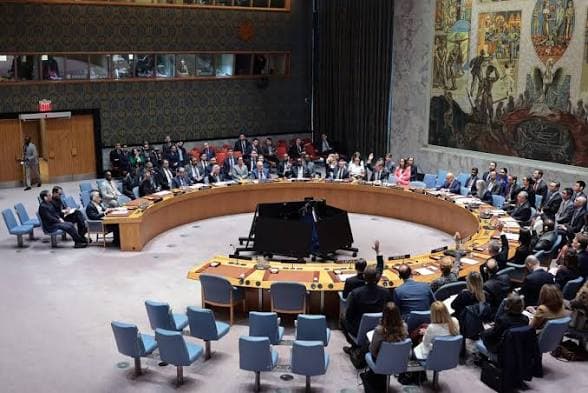
Key Highlights
- Germany and Austria are competing for a non-permanent seat on the UN Security Council.
- Germany emphasizes its economic strength and commitment to multilateralism.
- Austria positions itself as a champion of neutrality and humanitarian values.
The contest for a non-permanent seat on the United Nations Security Council (UNSC) between Germany and Austria has intensified, showcasing a significant moment in European diplomacy. Both countries are vying for this influential position, which carries substantial responsibilities related to international peace and security. The election for the seat is set to take place in the coming months, with both nations ramping up their diplomatic efforts to secure support from other UN member states.
Germany, with its robust economic standing and established diplomatic networks, is leveraging its experience as an active player in global governance. The nation highlights its long-standing commitment to multilateralism and its role in addressing pressing global challenges such as climate change, human rights, and security issues. Germany's campaign is characterized by its proactive engagement in international forums and its advocacy for collective action on global crises.
Austria, on the other hand, presents itself as a champion of neutrality and humanitarian values. The country's diplomatic approach focuses on conflict prevention and resolution, positioning itself as a vital player in promoting dialogue and cooperation at international forums. Austria emphasizes its contributions to peacekeeping missions and its support for international law, which it believes are essential for maintaining global stability. The Austrian government has been actively reaching out to other nations to garner support for its bid, highlighting its unique position as a neutral country that can facilitate discussions among conflicting parties.
The rivalry underscores not only the ambitions of both nations but also reflects broader trends in international relations. As countries navigate the complexities of global governance, the contest for the UNSC seat reveals how regional powers seek to enhance their influence in critical international discussions. The outcome of this contest could have lasting implications for European collaboration and the future of international diplomacy.
Negotiations within the UN and among member states become increasingly strategic as both Germany and Austria work to secure the necessary support from other nations. Their campaigns are marked by diplomatic outreach, showcasing their visions for a more secure and just world. Both countries are engaging in bilateral talks and participating in multilateral discussions to strengthen their positions.
As the election approaches, the implications of this contest extend beyond mere representation on the Security Council. The outcome could shape the future of European collaboration and influence discussions on key global issues. The significance of this battle emphasizes the intricate dynamics of diplomacy and the continuing evolution of power structures within the international community. The competition between Germany and Austria serves as a reminder of the importance of strategic alliances and the role of smaller nations in global governance.
Published by Banx Network. This article is part of the Banx decentralized media programme, powered by the BXE token on the XRP Ledger.




