In the narrow strips of land where history and conflict intertwine, the sound of violence is a recurring echo that disrupts the fragile rhythm of daily life. Each report of casualty is not merely a statistic but a rupture in the fabric of families and communities. The recent incident in Gaza, where five Palestinians lost their lives, including two young children, serves as a stark reminder of the human cost of ongoing tensions. It is a moment that calls for reflection on the value of life and the urgent need for peace, urging us to look beyond the headlines to the individual stories of loss.
The attack, reported by local health officials and media outlets, struck a residential area, bringing destruction to homes that were meant to be sanctuaries. The inclusion of children among the victims adds a layer of profound tragedy, highlighting the vulnerability of the innocent in zones of conflict. For the parents and siblings left behind, the grief is immeasurable, a wound that may never fully heal. These losses resonate deeply within the community, amplifying the collective trauma experienced by generations living under the shadow of uncertainty.
Such incidents are part of a broader pattern of violence that has plagued the region for decades. Each escalation brings with it a cycle of retaliation and suffering, making the prospect of stability seem increasingly distant. International observers and humanitarian organizations have repeatedly called for restraint and adherence to international law, emphasizing the protection of civilians. Yet, on the ground, the reality remains harsh, with ordinary people bearing the brunt of political and military decisions.
The death of children in conflict zones is particularly distressing, as it represents the theft of potential and future. These young lives, cut short before they could fully bloom, leave a void that extends beyond their immediate families. It raises moral questions about the conduct of warfare and the responsibilities of all parties involved to minimize harm to non-combatants. The global community watches with concern, hoping for de-escalation and a return to dialogue.
Humanitarian aid workers in Gaza continue to operate in challenging conditions, providing medical care and support to those affected by violence. Their efforts are crucial in mitigating the immediate impact of such attacks, offering a semblance of comfort in times of despair. However, the scale of need often outstrips available resources, underscoring the importance of sustained international support and access. The resilience of these workers is a testament to the human spirit’s capacity for compassion amidst chaos.
Media coverage of these events plays a significant role in shaping public perception and policy. Accurate and empathetic reporting helps bring attention to the human dimension of the conflict, fostering empathy and understanding across borders. It is essential that narratives remain balanced, acknowledging the suffering on all sides while advocating for peaceful resolutions. The voices of those affected must be heard, ensuring that their experiences inform the global discourse on justice and peace.
Diplomatic efforts to address the root causes of the conflict continue, though progress is often slow and fraught with challenges. Negotiations, ceasefires, and international interventions aim to create spaces for dialogue and reconciliation. While immediate violence may subside, lasting peace requires addressing deep-seated grievances and building trust between communities. It is a long and difficult path, but one that is necessary for the well-being of future generations.
As we reflect on this latest tragedy, it is important to remember the shared humanity that connects us all. Regardless of nationality or belief, the loss of life is a universal sorrow. By acknowledging this common ground, we can foster a culture of empathy and action that prioritizes peace over conflict. The memory of those lost should inspire a renewed commitment to resolving differences through dialogue and understanding.
The killing of five Palestinians, including two children, in Gaza is a tragic event that underscores the urgent need for peace. It invites us to prioritize human life and support efforts toward de-escalation and reconciliation. Let this loss remind us of the value of every individual life.
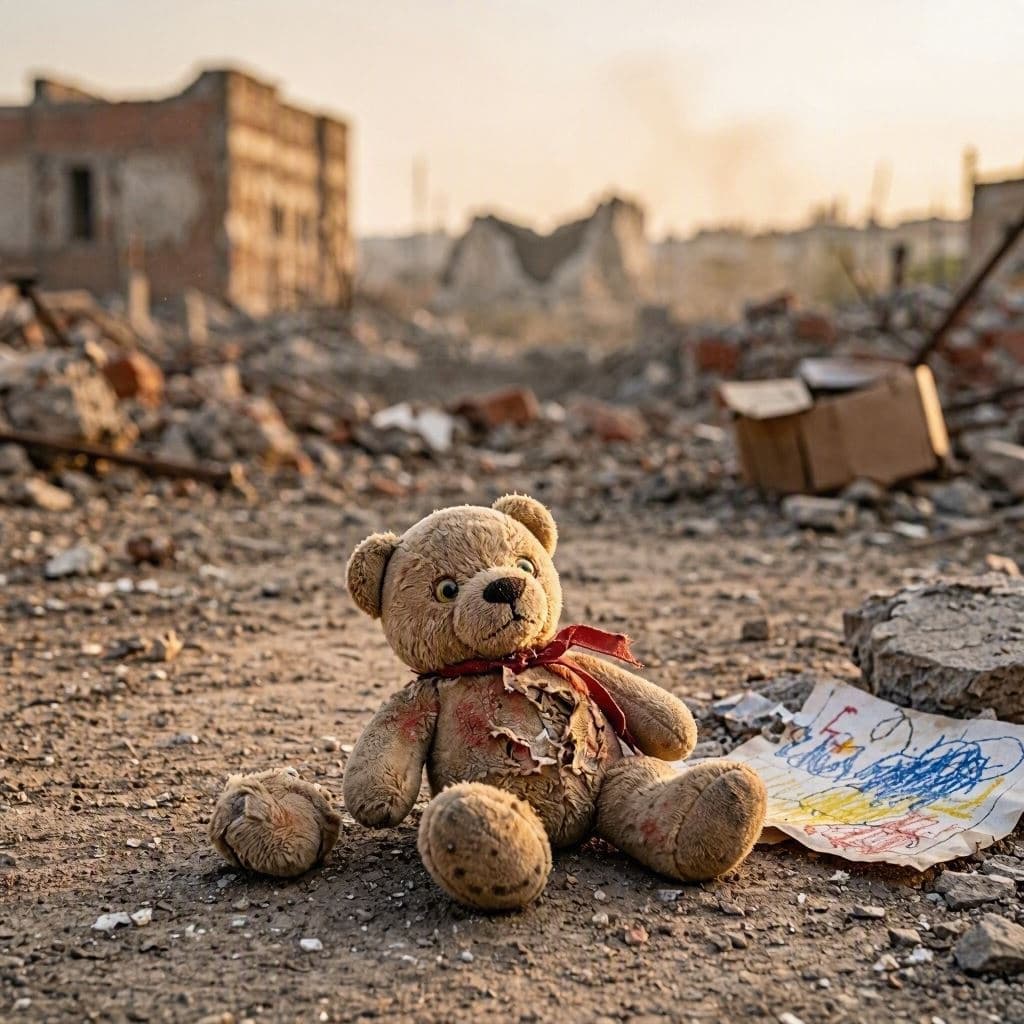
AI Image Disclaimer: The visuals accompanying this piece are AI-generated interpretations intended for illustrative purposes only.
Sources: Al Jazeera BBC News The Guardian
Published by Banx Network. This article is part of the Banx decentralized media programme, powered by the BXE token on the XRP Ledger.