
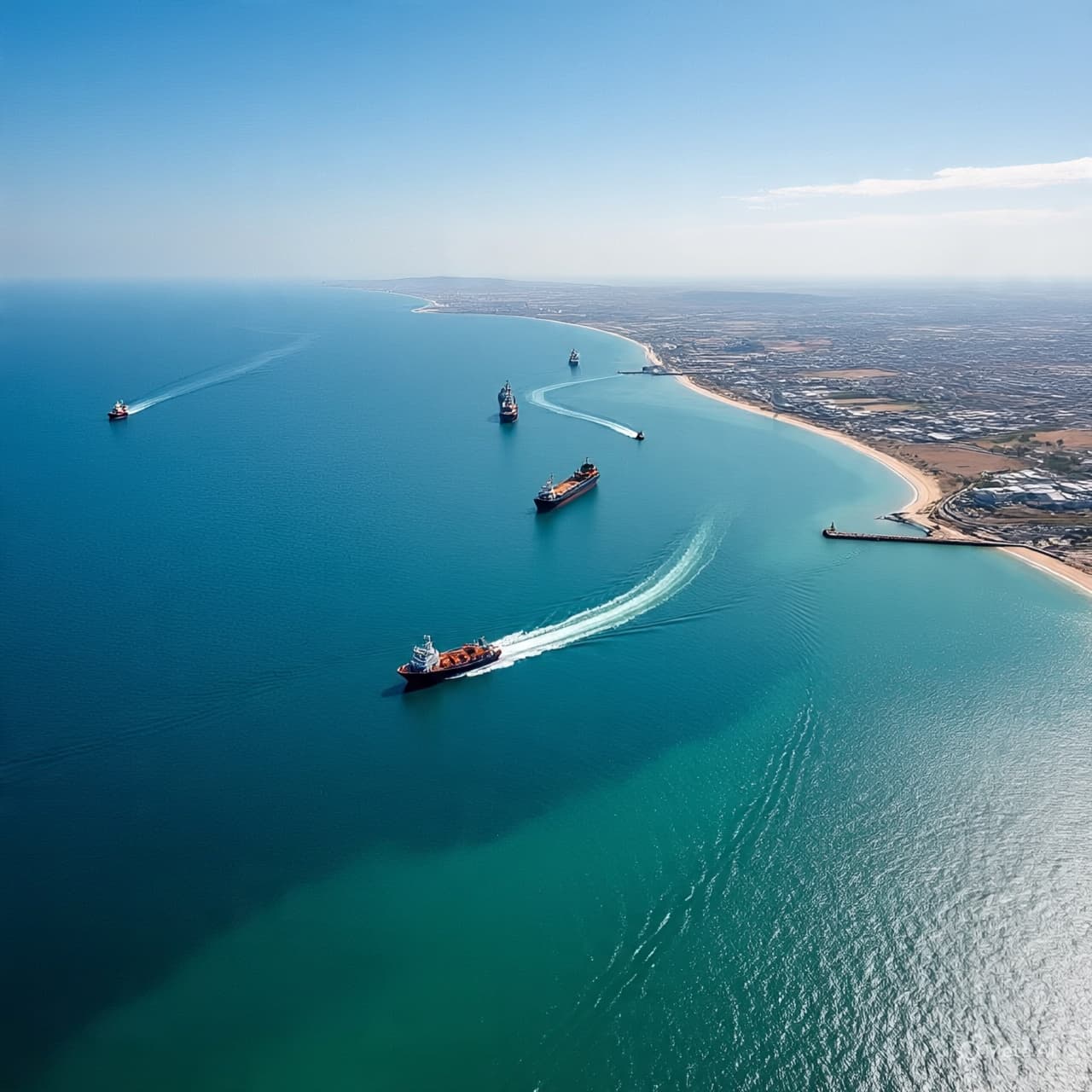
In the lull between winter’s retreat and the first gentle breathe of spring, there are moments in distant capitals and quiet living rooms alike when time seems to stretch — reflective and uncertain — like the pause between two tides. Europe, with its long memory of wars and alliances, watches the horizon not for ships or sails, but for the ripple effects from a conflict unfolding far to the southeast, where sand meets sea and the Strait of Hormuz carries the pulse of the world’s commerce.
From the smooth shores of the Baltic to the bustling corridors of Washington, voices have risen and eased, offering judgments that carry both weight and nuance. Among them, Finland’s President Alexander Stubb has cast a view that seems almost like a breath carried on a quiet day: that the war in Iran, intense and stark as its repercussions may be, is not a NATO matter in the strictest sense, nor does it fall within the formal commitment of the alliance’s collective defense. His words, spoken in defense of NATO’s character, seem meant to anchor a sprawling storm in a calmer bay, reminding allies that the pact’s heart was shaped in the care of mutual security, not expeditionary ventures across distant deserts and seas.
In capitals from Brussels to London, this perspective has been met with measured responses. Leaders — mindful of shared history and fragile certainties — echo a cautious harmony that is less about uniform agreement than a shared acknowledgment of the complexity at hand. At the same time, other voices — notably from Washington — have pressed a different chord. The United States President has sharply criticized NATO allies for not joining more fully in efforts tied to reopening the Strait of Hormuz, challenging the very core of alliance expectations. Some comments have been pointed, even caustic, as accusations of inaction ripple through speeches and social platforms alike.
For nations both within and beyond the alliance, this is not merely a question of policy but of identity. NATO — forged in the aftermath of devastating conflict and bound by Article 5’s promise of collective defense — faces an introspective moment as it contemplates what responsibilities it holds when war occurs beyond its borders. Does distaste for violence translate into abdication of collective purpose, or is restraint itself a form of shared commitment? In this space of contemplation, European leaders have leaned into the terrain of diplomacy and careful navigation rather than confrontation, stressing unity without rushing toward external battlefields.
Amid these higher halls of global negotiation, ordinary life continues to unfold with its rhythms of home and market, school and street. Families in Helsinki may not follow every nuance of NATO’s charter, but they sense the gravity of a world in which distant wars send waves through oil prices and political debate. Sailors farther south, navigating the narrow waterway that threads through the Gulf, brace against the crosswinds of conflict and commerce, each decision wave‑touched and consequential.
In this meeting of interests — strategic, economic, human — there is a quiet invitation to reflect. An alliance once rigidly defined by clear lines of shared defense now stands in the soft light of a more ambiguous moment, where the tides of war and peace lap against the shore of collective identity. And perhaps, in the gentle pull of contemplation that follows, there is space to ask what it means to be bound together not only by treaty, but by the thoughtful steadiness of shared purpose in a world of shifting horizons.
AI Image Disclaimer Illustrations were created using AI tools and are not real photographs.
Sources The Guardian Reuters Euronews Forbes Washington Post
Published by Banx Network. This article is part of the Banx decentralized media programme, powered by the BXE token on the XRP Ledger.


