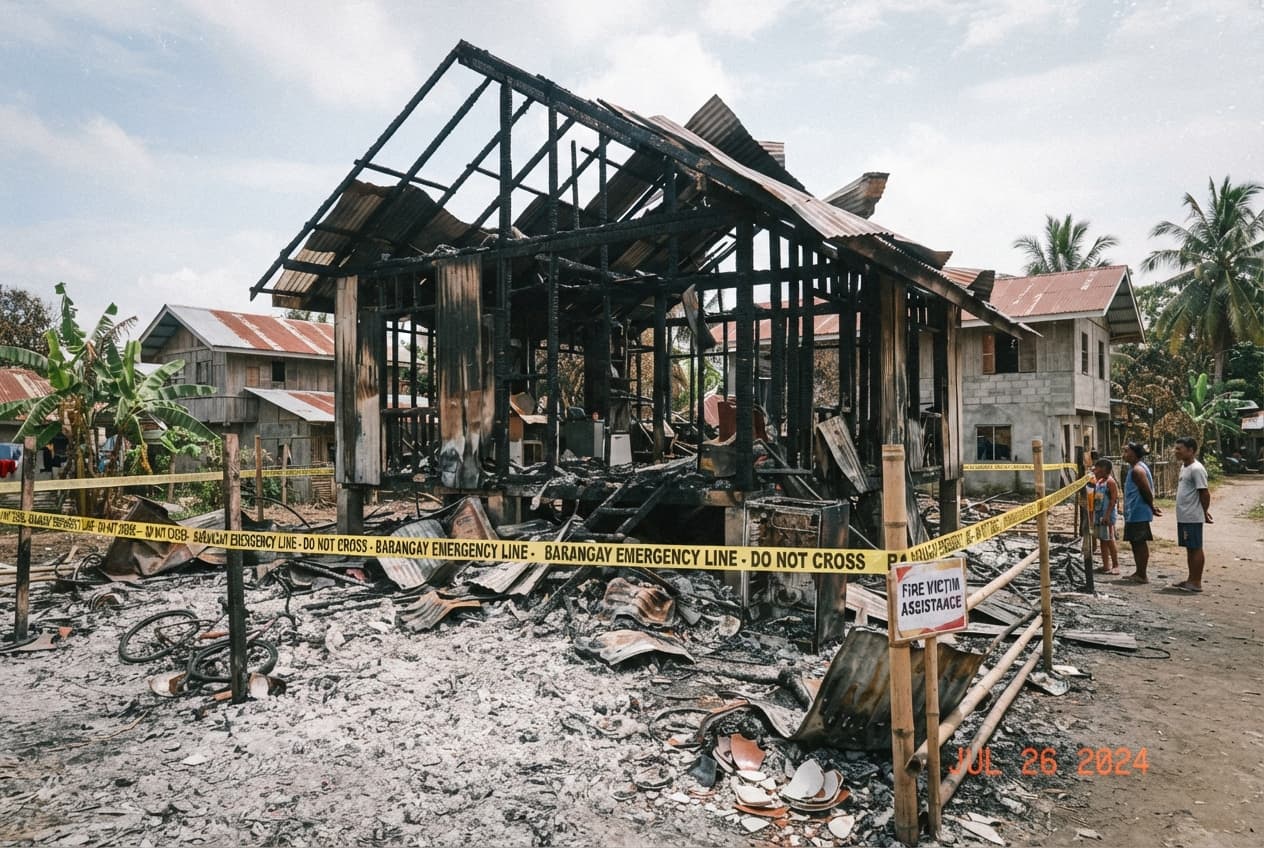
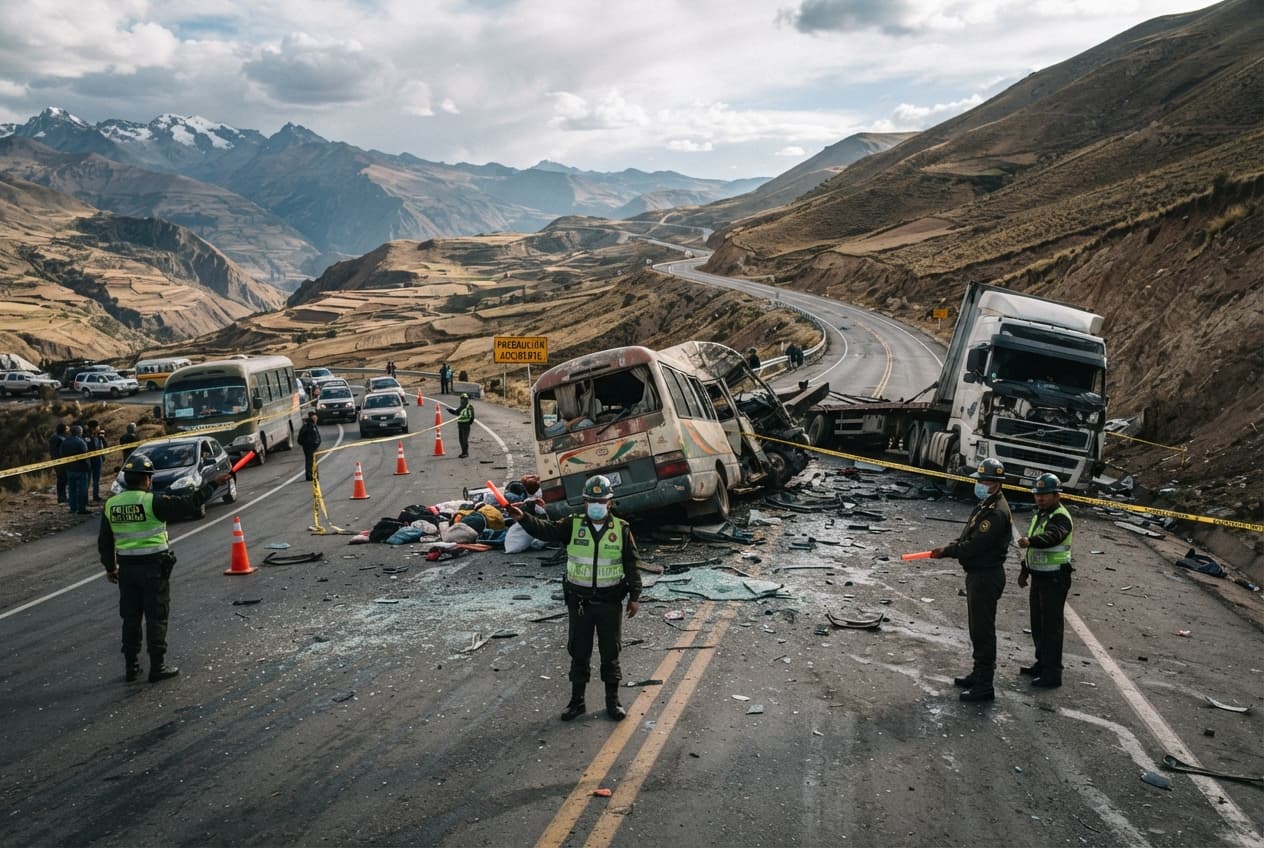
TEL AVIV, Israel — The skyline of Israel’s economic heart was illuminated by a chaotic web of interceptor trails and explosions early on Saturday morning of March 28, 2026, as the Islamic Revolutionary Guard Corps (IRGC) launched its most aggressive drone "swarm" to date. This latest wave, which the IRGC has dubbed part of "Operation True Promise 4," specifically targeted Tel Aviv’s critical utility infrastructure, including power substations and water desalination pumping stations. Israeli Home Front Command reported at least one casualty in central Tel Aviv after a missile escaped the defensive shield, marking a grim start to the 29th day of the regional conflict.
Emergency services scrambled to the city’s northern industrial districts where several "one-way" attack drones reportedly bypassed the Iron Dome's low-altitude coverage. While the IDF has yet to provide a full damage assessment, eyewitnesses reported localized blackouts and smoke rising near a major water treatment facility. These strikes follow a pattern of "tit-for-tat" infrastructure targeting; just hours prior, Israeli and U.S. warplanes were reported to have struck Iranian gas pipelines and industrial hubs in Isfahan, part of an ongoing effort to neutralize Tehran's energy-export capabilities.
The psychological toll on the city’s population is mounting as the conflict enters its second month. Despite the deployment of advanced Aegis and Patriot systems, the sheer volume of drones—often launched in "trains" alongside ballistic missiles—continues to test the limits of even the world’s most sophisticated air defenses. Tel Aviv Mayor Ron Huldai addressed the media from a command center, urging residents to strictly adhere to shelter protocols as the military warns that further waves are likely throughout the weekend.
On the diplomatic front, the strikes have cast a shadow over rumors of a breakthrough in indirect negotiations. While reports had surfaced that U.S. and Iranian delegations might meet in Pakistan, the IRGC’s official communiqué took a defiant tone, framing the attack as a "punishment" for recent strikes on Iranian sovereign territory. In Washington, the Trump administration has remained steadfast, with Defense Secretary Pete Hegseth recently stating that the military objectives of "Operation Epic Fury" remain unchanged until the threat to regional stability is "effectively neutralized."
As of Saturday morning, the Red Sea and the Strait of Hormuz remain flashpoints of the broader war, with Yemen’s Houthis also claiming their first missile launch toward southern Israel. With global oil prices hovering near $105 per barrel and the U.S. war cost estimated at $18 billion, the targeting of Tel Aviv’s civilian infrastructure signals a dangerous shift toward a sustained war of attrition. For the millions of residents in Israel's commercial hub, the "silent" hum of loitering munitions has become a terrifyingly routine part of a conflict that shows no signs of an immediate resolution.
Published by Banx Network. This article is part of the Banx decentralized media programme, powered by the BXE token on the XRP Ledger.