
Key Highlights
- Major roadway collapse in Osaka's Ikuno Ward due to heavy rain.
- Emergency crews face challenges from flooding and unstable ground.
- Local infrastructure struggles under unprecedented rainfall.
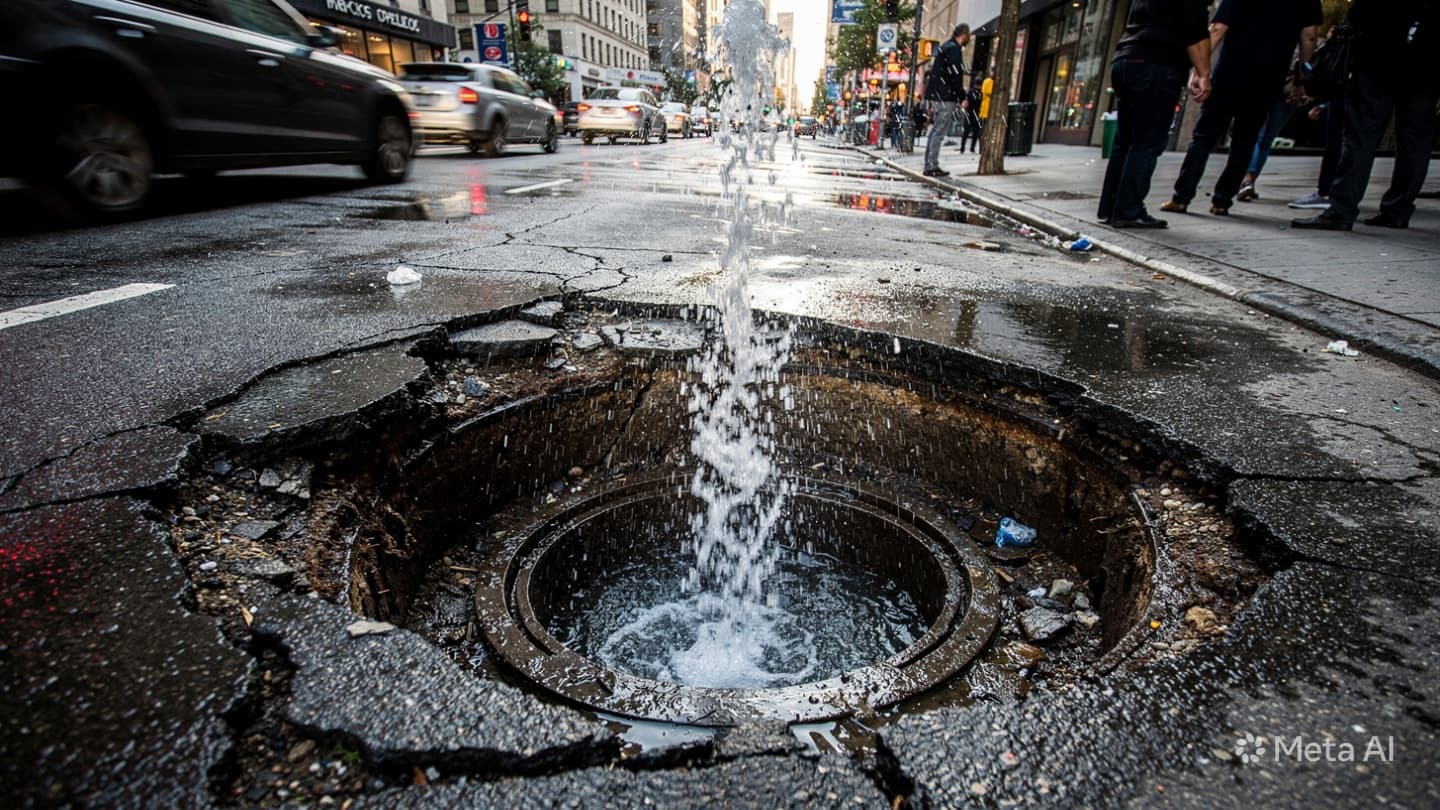
Osaka, Japan—Severe weather has crippled critical infrastructure in Osaka today. Heavy downpours caused a major roadway to collapse in Ikuno Ward, leaving a gaping hole that halted all local traffic. City crews are currently blocked from reaching the site due to surrounding floodwaters, complicating emergency response efforts.
The failure stems from the sheer volume of water entering the sewage system. Pressure buildup caused manholes to burst across the city, leading to a hydraulic surge that undermined the soil beneath the asphalt. As a result, roadways are essentially floating on a pressurized layer of runoff, creating dangerous conditions for both vehicles and pedestrians.
Eyewitnesses described a sudden sinking sensation before the pavement shattered. The collapse consumed sections of the sidewalk and damaged adjacent property. Authorities have roped off the area to prevent further accidents, but the ground remains unstable as the rain continues to fall, raising concerns about additional collapses in the vicinity.
Emergency management teams are struggling to keep up with the reports of cracked pavement and rising water levels. They have received dozens of calls from residents reporting hazardous conditions. Maintenance crews cannot perform repairs while the deluge remains active, and the risk of secondary collapses is extremely high, prompting officials to issue warnings to the public.
Traffic in the metropolitan area has ground to a total standstill, with commuters stranded as major arteries are submerged. Public transport services have also reported delays due to tracks flooding in low-lying sections. The city grid is effectively paralyzed, and residents are advised to avoid unnecessary travel until conditions improve.
Local utility companies are working to shut off gas and power lines near the collapse sites as a standard safety measure to prevent fires or explosions. However, the flooding complicates these operations, putting workers at risk. Officials have urged residents to stay indoors at all costs, emphasizing the dangers posed by the ongoing weather conditions.
Engineering experts are monitoring the city’s drainage capacity, admitting that the system was not designed for this intensity of rainfall. The current situation suggests that existing flood defenses are failing under the pressure, raising questions about future infrastructure resilience. City hall has yet to provide a timeline for clearing the debris and restoring normalcy.
The threat of further structural instability looms over the entire region. Officials are keeping a watch on buildings located near the fractured roadways, fearing that foundations may also be weakened by the ongoing water intrusion. As the city remains in a state of crisis, the community is left grappling with the immediate impacts of this severe weather event and the long-term implications for urban planning and infrastructure management in Osaka.
Published by Banx Network. This article is part of the Banx decentralized media programme, powered by the BXE token on the XRP Ledger.



