Large infrastructure projects are often imagined as symbols of progress—quiet systems built beneath cities to support daily life without much public attention. Yet when construction delays, legal disputes, and financial disagreements emerge, those same projects can become lasting political and economic debates. On British Columbia’s North Shore, one of Canada’s most scrutinized sewage plant projects has now reached another significant turning point.
The contractor previously removed from the troubled North Shore sewage treatment plant project has agreed to pay a settlement worth approximately $235 million, according to officials connected to the long-running dispute. The agreement represents a major financial resolution tied to years of delays, cost overruns, and legal conflict surrounding the project.
The sewage treatment plant redevelopment has faced extensive public scrutiny due to escalating costs and repeated construction setbacks. Originally intended to modernize aging wastewater infrastructure serving the Metro Vancouver region, the project gradually evolved into one of the most expensive and controversial municipal infrastructure undertakings in British Columbia.
Authorities previously terminated the contractor involved in the project amid disagreements over construction management, timelines, and contractual responsibilities. Legal proceedings and arbitration discussions followed, with both sides disputing accountability for delays and financial losses connected to the unfinished facility.
Wastewater treatment systems rarely attract widespread public attention until projects encounter visible problems. Yet such infrastructure remains essential for population growth, environmental protection, and urban public health. Municipal leaders have repeatedly stressed that completing the North Shore plant remains necessary to meet regional environmental and operational standards.
Infrastructure analysts note that large public projects frequently face risks involving inflation, engineering complexity, labor shortages, and shifting construction conditions. However, critics argue that oversight, procurement practices, and project governance structures can significantly influence whether those risks become manageable challenges or major financial crises.
The settlement may help reduce some legal uncertainty surrounding the project, though broader concerns about overall costs and final completion timelines are expected to continue. Taxpayer accountability has remained a central theme throughout public discussions involving the sewage plant redevelopment.
Officials say work on the facility continues as regional authorities focus on completing the long-delayed infrastructure project. While the settlement closes one legal chapter, the broader effort to deliver a fully operational sewage treatment system remains ongoing.
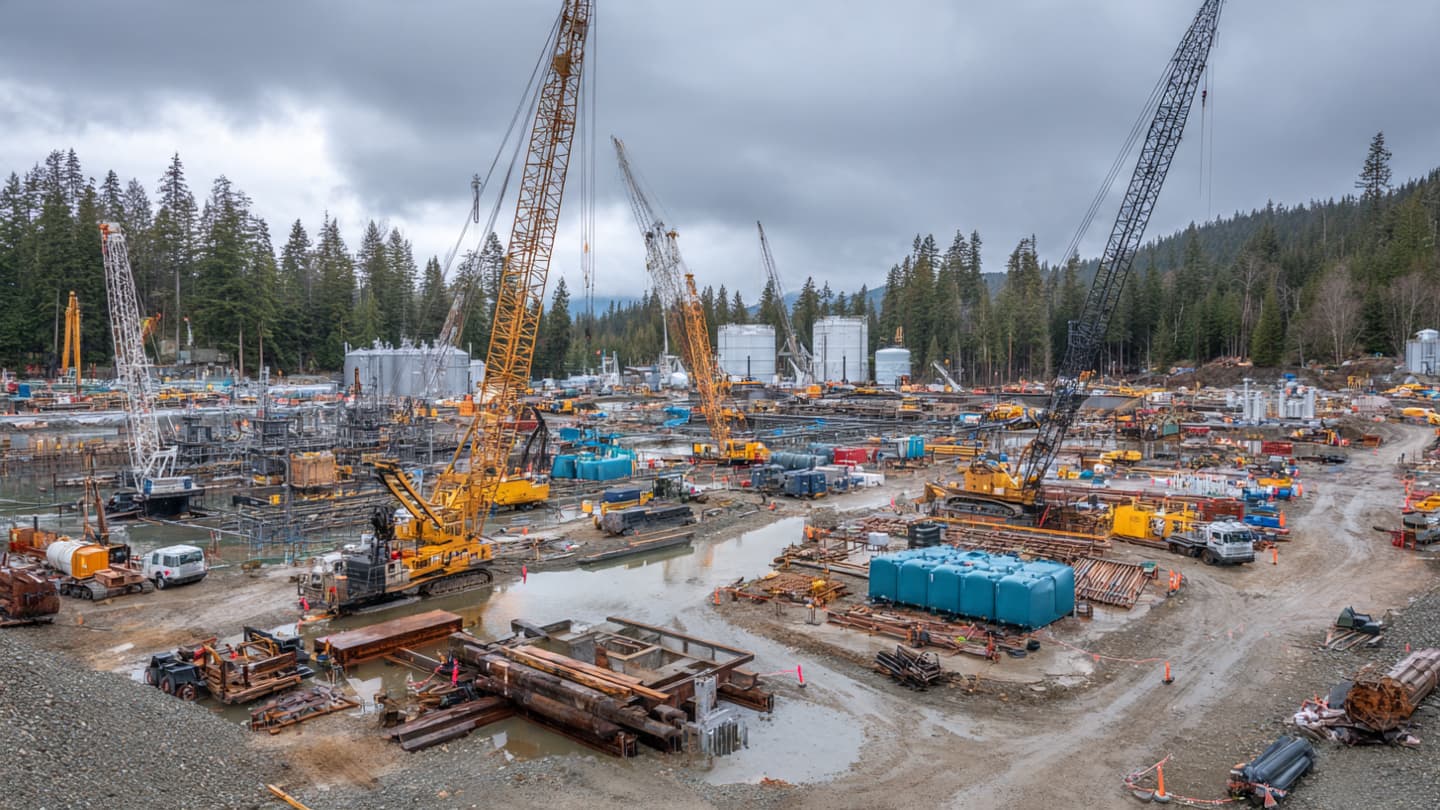
AI Image Disclaimer: Illustrative visuals in this article were generated with AI assistance to represent large-scale infrastructure and wastewater treatment projects.
Sources: CBC News, Vancouver Sun, The Globe and Mail
Published by Banx Network. This article is part of the Banx decentralized media programme, powered by the BXE token on the XRP Ledger.