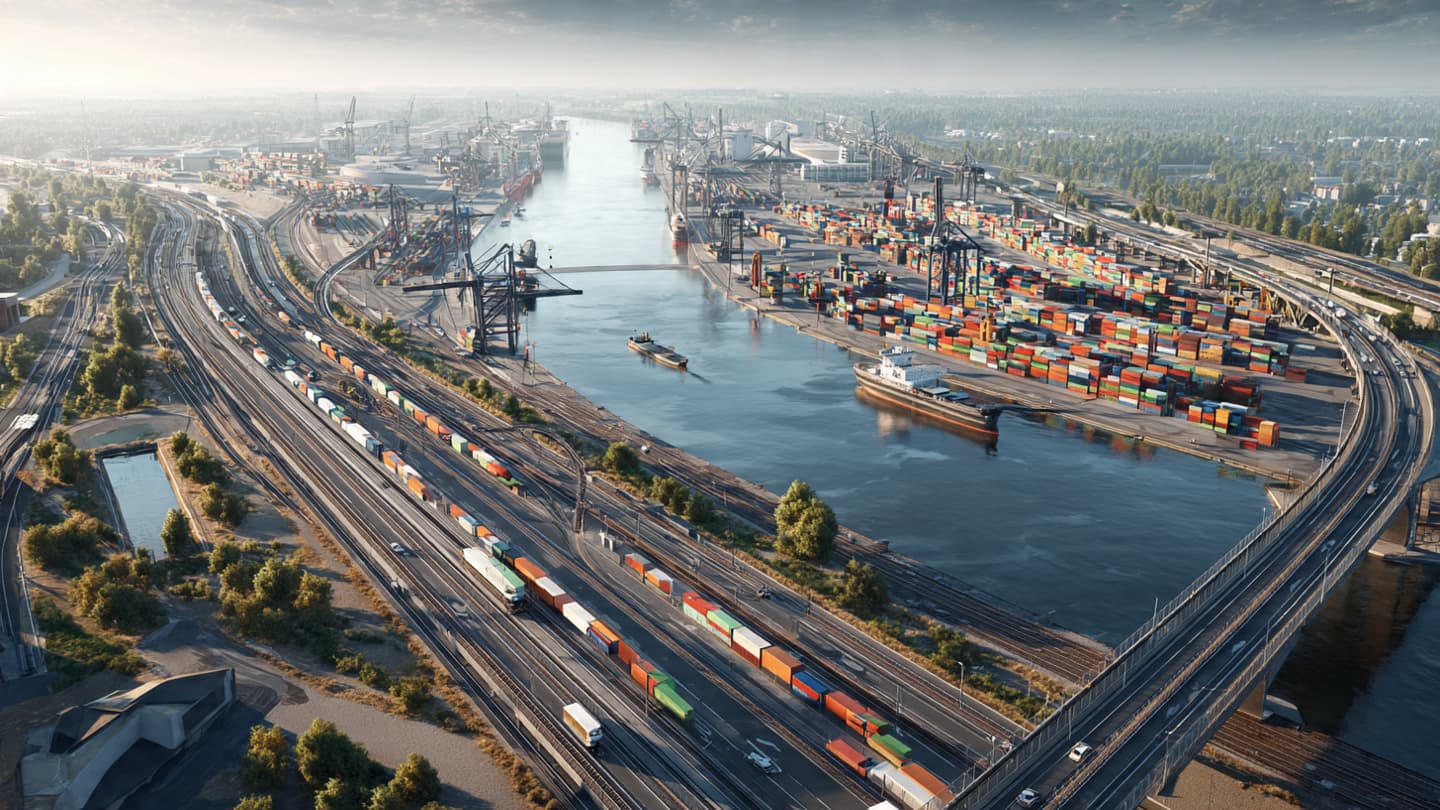
Infrastructure often operates quietly in the background of daily life. Roads, ports, railways, and digital networks connect people and economies without demanding constant attention. Yet these systems form the foundations upon which commerce, mobility, and development depend. France is contributing to international infrastructure connectivity projects that seek to strengthen those connections across regions and continents.
The initiatives focus on improving transportation links, logistics networks, and economic integration. By enhancing connectivity, participating countries hope to facilitate trade, support investment, and encourage long-term development opportunities.
Modern infrastructure extends beyond traditional construction projects. Digital connectivity, energy systems, and advanced logistics platforms increasingly complement physical transportation networks, creating more integrated approaches to development.
France's involvement reflects the belief that well-designed infrastructure can generate benefits across multiple sectors. Improved transportation efficiency can reduce costs, expand market access, and strengthen economic resilience.
Businesses often view infrastructure as a critical factor influencing competitiveness. Reliable logistics and transportation systems help companies move goods, access customers, and participate more effectively in international markets.
International cooperation remains essential because many major infrastructure projects involve multiple jurisdictions and stakeholders. Collaborative planning can improve coordination while ensuring that investments align with broader regional objectives.
Financial institutions frequently play important roles by supporting project funding and providing technical expertise. Large-scale infrastructure initiatives often require substantial resources and long-term planning commitments.
Technology is transforming how infrastructure is designed and managed. Digital monitoring systems, data analytics, and smart transportation solutions are helping improve efficiency while supporting sustainability goals.
Environmental considerations have become increasingly important as well. Many projects now incorporate sustainability objectives aimed at reducing environmental impacts and promoting responsible resource use.
As France participates in connectivity initiatives, the effort underscores the enduring value of infrastructure as a catalyst for cooperation and growth. The networks being developed today may help shape patterns of trade, mobility, and economic opportunity for decades to come.
AI IMAGE DISCLAIMER Images in this article are AI-generated illustrations, meant for concept only.
SOURCES Reuters, AFP, World Bank, Financial Times, OECD
Published by Banx Network. This article is part of the Banx decentralized media programme, powered by the BXE token on the XRP Ledger.