
Key Highlights
- Global inflation shows mixed trends across countries.
- Headline inflation remains high in the UK, India, and Australia.
- Core inflation pressures persist in the United States.
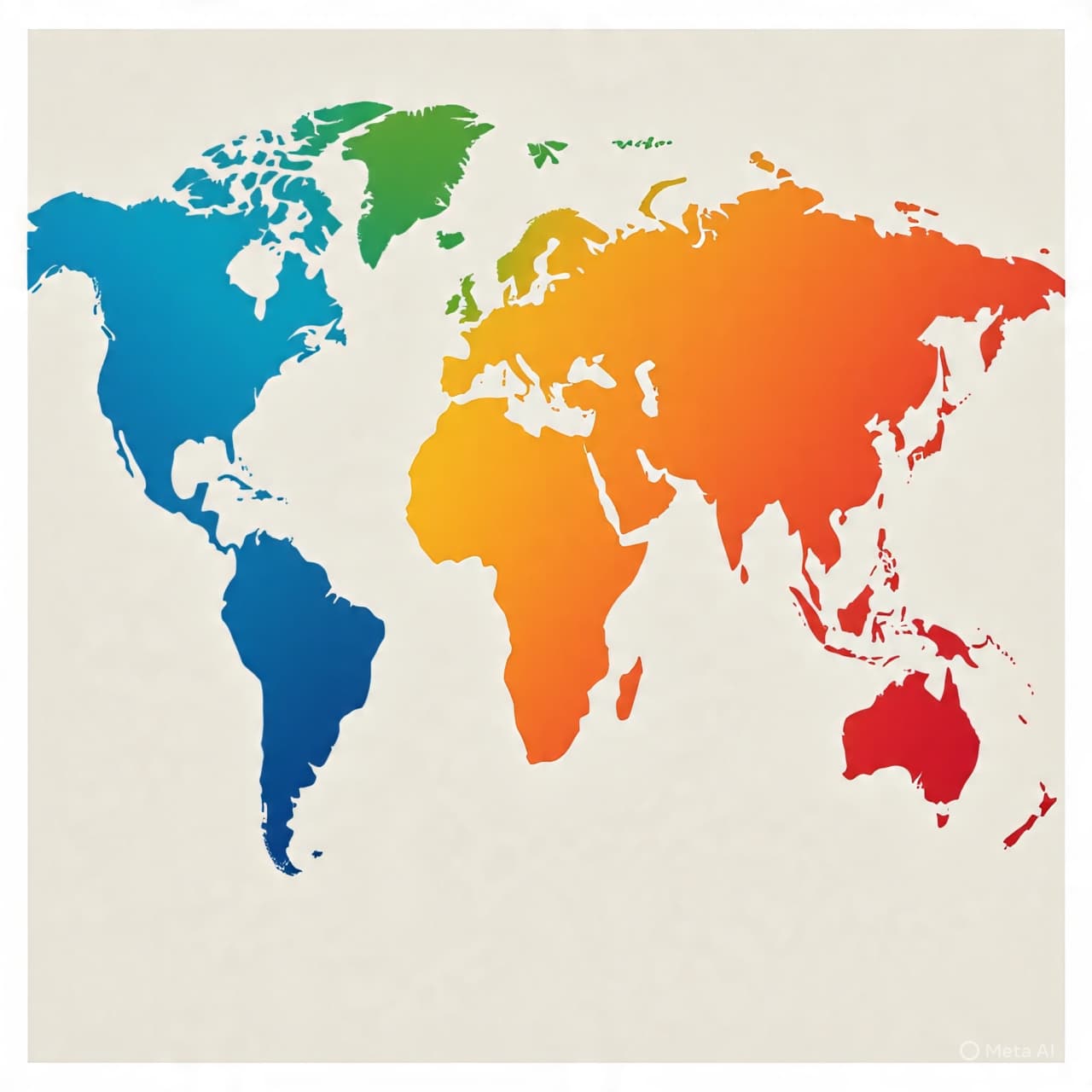
Global inflation rarely paints the world in a single color. Instead, it splashes uneven strokes across nations — heavier in some, faint in others — reminding us that the global economy never moves in perfect harmony. This week, the International Monetary Fund (IMF) provided insights into the current state of inflation, revealing a complex landscape that varies significantly from one country to another.
According to IMF spokesperson Julie Kozack, headline inflation remains elevated in several countries, including the UK, India, and Australia. These figures reflect the overall cost of living, which is heavily influenced by volatile energy and food prices. In contrast, core inflation, which excludes these fluctuating elements, is notably higher in the United States. This distinction is crucial for understanding the underlying economic pressures that different nations face.
The IMF's analysis indicates that persistent core inflation in the U.S. suggests ongoing demand-side pressures that are proving difficult to manage. While some countries are beginning to see relief in commodity-driven price indices, the U.S. remains in a challenging position. This divergence highlights the complexities of inflation management and the varying economic conditions that influence price stability across the globe.
As central banks grapple with these challenges, they face renewed pressure to balance growth with price stability. Interest rate decisions are one of the few tools left at their disposal, but policymakers must navigate a global landscape that refuses to move in unison. The IMF's remarks underscore the need for careful consideration of local economic conditions when formulating monetary policy.
Inflation, in the end, is less of a single story and more of a mosaic — each tile reflecting national circumstances, yet all together shaping how people experience the cost of living worldwide. The uneven impact of inflation means that while some nations may find relief, others continue to struggle with rising prices, creating a complex web of economic realities that policymakers must address.
In conclusion, the IMF's insights serve as a reminder that understanding inflation requires a nuanced approach, one that considers the diverse experiences of countries around the world. As the global economy continues to evolve, the implications of these inflationary trends will be felt by consumers and businesses alike, making it essential for stakeholders to stay informed and adaptable.
Published by Banx Network. This article is part of the Banx decentralized media programme, powered by the BXE token on the XRP Ledger.



