Key Highlights
- April CPI:Headline inflation rose to 3.8%, the highest since May 2023.
- Energy Impact:Energy prices surged 3.8% in April, contributing significantly to inflation.
- Market Reaction:Stock futures fell as traders adjusted expectations for Federal Reserve rate cuts.
The Consumer Price Index (CPI) for April was released at 8:30 a.m. Eastern on Tuesday, revealing a significant increase that has sent ripples through financial markets. The headline CPI rose by 0.6% month-over-month and 3.8% year-over-year, marking the most substantial annual increase since May 2023. This uptick is a notable acceleration from March's annual rate of 3.3%. The core CPI, which excludes food and energy prices, also exceeded expectations, climbing 0.4% for the month and 2.8% annually, surpassing the anticipated figures of 0.3% and 2.7% respectively.
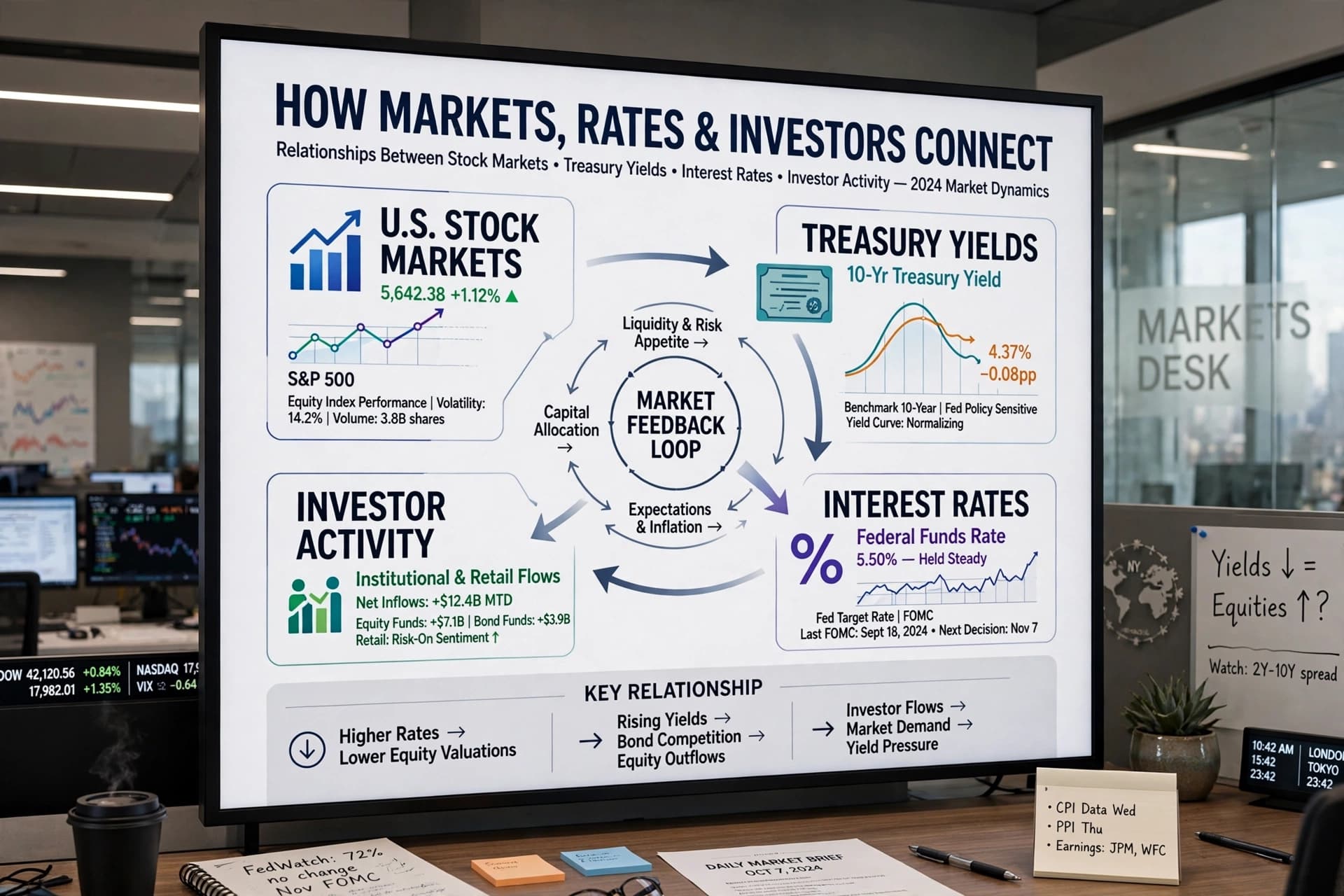
In the wake of these figures, stock futures reacted negatively, with the S&P 500 futures dropping approximately 0.4% in pre-market trading, while Nasdaq 100 futures fell about 0.7%. The Dow Jones Industrial Average remained relatively flat. The bond market also reflected these changes, with two-year Treasury yields hovering around 3.90% and the 10-year yield around 4.37%, indicating a shift in investor sentiment regarding interest rates.
The primary driver behind the inflation surge appears to be energy prices, which rose by 3.8% in April alone. This increase accounted for over 40% of the overall monthly CPI change. Over the past year, energy prices have skyrocketed, with gasoline prices up 28.4% and fuel oil prices soaring by 54.3%. Shelter costs, the largest component of the CPI, also saw a notable increase of 0.6% month-over-month, reversing a trend of softer increases earlier in the year. Food prices rose by 0.5%, with grocery prices increasing by 0.7%.
The ongoing geopolitical tensions, particularly the conflict involving Iran, have significantly impacted crude oil prices, which are currently hovering near $100 per barrel. This situation has led to U.S. retail gasoline prices averaging around $4.50 per gallon. The sustained high prices have begun to affect other sectors, including airline fares and freight costs, indicating a broader economic impact.
Federal Reserve Chair Jerome Powell has previously warned about the potential for supply shocks to entrench inflation expectations. With several Fed officials scheduled to speak this week, market participants will closely monitor their comments for insights into how the Fed plans to respond to these inflationary pressures.
Before the CPI release, futures markets indicated a 73% probability that the Federal Reserve would maintain its current policy rate of 3.50%-3.75% through the end of the year, with a 20% chance of a 25 basis point hike. Following the CPI data, these probabilities are likely to shift further towards maintaining rates, with some analysts even suggesting a potential rate hike could be back on the table.
For investors, this shift in inflation dynamics means a reevaluation of strategies. The disinflation narrative that had supported equity markets through early 2026 may need to be reassessed. Investors should be cautious of duration risk in long-dated Treasuries and corporate bonds, as rising yields could lead to price declines. Additionally, sectors sensitive to interest rates, particularly high-multiple growth stocks, may face increased volatility as market conditions evolve.
In summary, the April CPI data signals a significant shift in the economic landscape, driven primarily by energy prices and geopolitical factors. Investors and policymakers alike will need to navigate this new reality as they adjust their strategies in response to changing inflation expectations and market conditions.
Published by Banx Network. This article is part of the Banx decentralized media programme, powered by the BXE token on the XRP Ledger.