

Key Highlights
- Indonesia plans to use AI to enhance food safety and security.
- The initiative aims to improve supply chain management and reduce waste.
- Experts emphasize the need for strong data governance alongside technology adoption.
Indonesia is taking significant steps to bolster its food security by integrating artificial intelligence (AI) into its national food systems. The government is preparing to implement AI technologies to monitor food safety and improve the efficiency of various national programs aimed at ensuring the quality and availability of food across the archipelago.
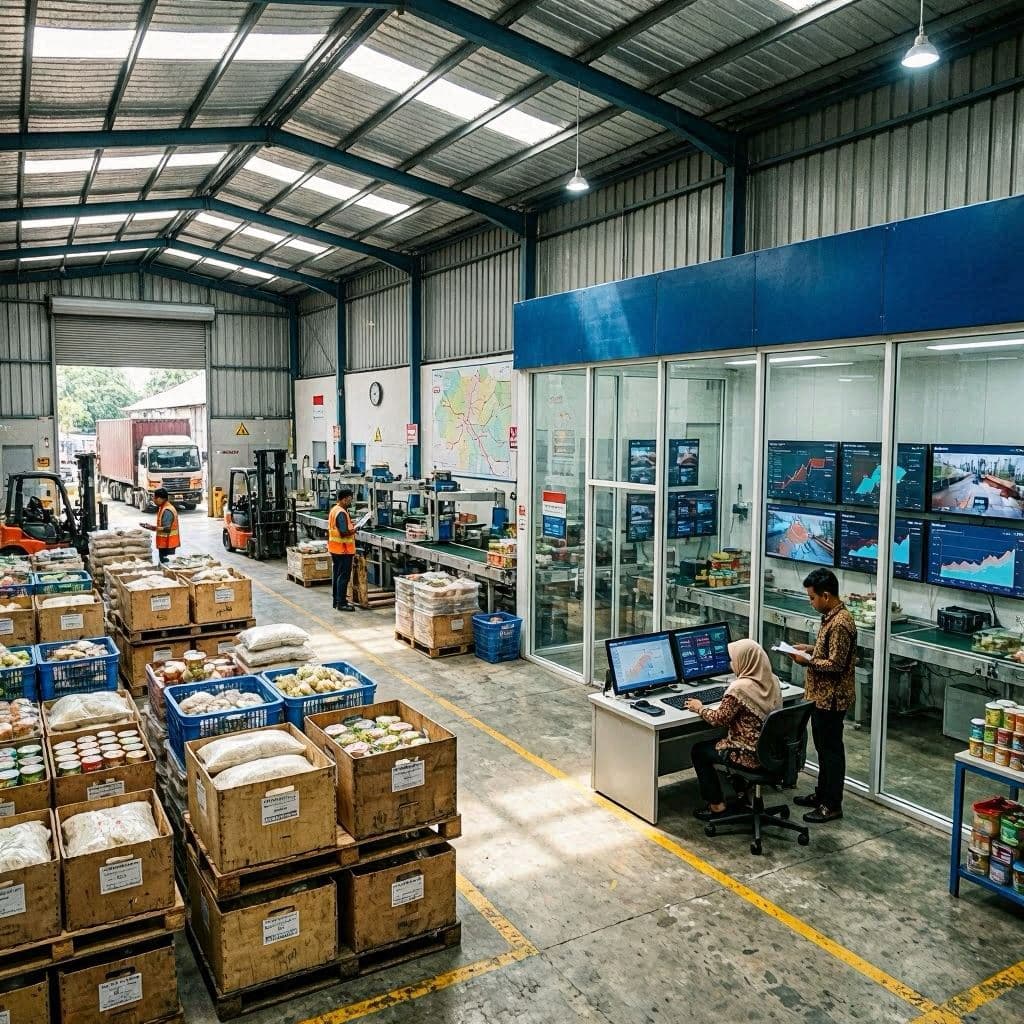
One of the primary focuses of this initiative is the large-scale free meal program, which provides nutritious meals to schoolchildren and vulnerable populations. By leveraging AI, officials hope to forecast food demand accurately, identify potential supply chain disruptions, and monitor distribution patterns in real time. This proactive approach is expected to enhance the overall effectiveness of the program and ensure that food reaches those in need without unnecessary delays.
In addition to improving demand forecasting, AI systems are anticipated to play a crucial role in detecting irregularities within the supply chain. This includes monitoring storage conditions, logistics delays, and inventory management issues. By addressing these challenges, the government aims to reduce food waste and improve operational efficiency, which is particularly important given Indonesia's unique geographical challenges as the world's largest archipelagic nation.
The logistical hurdles faced by Indonesia are significant, with thousands of islands requiring extensive coordination between national and regional authorities to ensure timely and safe food distribution. Experts in technology and agriculture note that AI-driven monitoring systems are being adopted globally, with many countries exploring digital solutions to enhance food resilience and traceability while responding swiftly to emerging risks.
However, specialists caution that the adoption of such technologies must be accompanied by robust data governance and cybersecurity measures. Clear operational standards are essential to ensure that AI systems function effectively and that human oversight is maintained to facilitate accurate decision-making. The integration of technology with traditional monitoring practices is seen as a way to strengthen Indonesia's long-term food security strategy while supporting broader digital transformation goals.
As the Indonesian government continues to refine its regulatory frameworks and implementation mechanisms, stakeholders are optimistic about the potential benefits of AI in enhancing food security. The successful deployment of these systems could serve as a model for other nations facing similar challenges in food supply management.
AI Image Disclaimer: Some illustrations accompanying this report were created using artificial intelligence for editorial visualization purposes.
Source Verification Check: Reuters, Antara, CNBC Indonesia, Ministry of Agriculture Indonesia
Published by Banx Network. This article is part of the Banx decentralized media programme, powered by the BXE token on the XRP Ledger.




