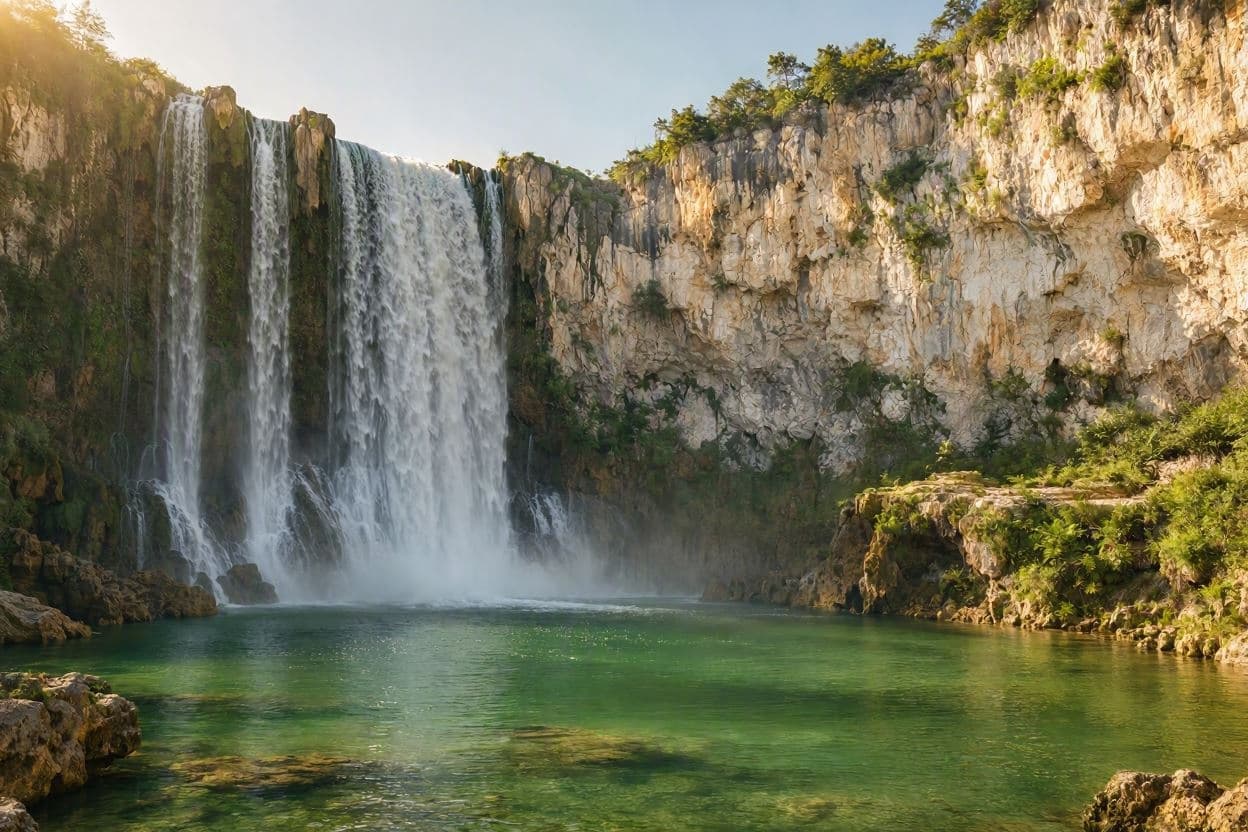
In the lush, limestone heart of South Sulawesi, where waterfalls cascade into emerald pools and butterflies dance in the humid air, a quiet ambition is taking flight. Indonesia is actively pursuing global recognition for Bantimurung-Bulusaraung National Park, seeking to elevate its status on the world stage. This effort is not merely about prestige but about acknowledging the park’s unique geological and biological significance. As the country looks to balance conservation with sustainable tourism, the park stands as a testament to the natural wonders that define the archipelago.
Bantimurung-Bulusaraung is already renowned for its dramatic karst landscapes, among the largest tower-karst systems in the region. The area is a haven for biodiversity, hosting over 250 species of butterflies, earning it the nickname "The Kingdom of Butterflies." Beyond its insect life, the park shelters rare wildlife and vibrant tropical forests. For local communities, it is a source of pride and livelihood, offering opportunities for eco-tourism and education. The push for global recognition aims to protect these resources while sharing their beauty with the world.
The Indonesian government has been working closely with UNESCO to meet the criteria for designation as a Global Geopark or Biosphere Reserve. This process involves rigorous assessment of geological heritage, biodiversity, and community engagement. Recent successes, such as the designation of other Indonesian geoparks, have paved the way for Bantimurung. Officials believe that international status will bring increased funding, technical support, and visibility, helping to preserve the park for future generations.
For scientists, the park is a living laboratory. Its complex cave systems and rock formations offer insights into Earth’s history and climate change. Researchers study the unique ecosystems that thrive in these environments, contributing to global knowledge of karst biology. Recognition by UNESCO would validate this scientific value, encouraging further study and collaboration. It would also highlight Indonesia’s role in global conservation efforts, showcasing its commitment to protecting natural heritage.
Local residents are key partners in this endeavor. Many depend on the park for agriculture, fishing, and tourism. By involving them in management plans, authorities hope to ensure that conservation benefits the community. Initiatives include training guides, developing sustainable handicrafts, and promoting homestays. This approach fosters a sense of ownership and responsibility, reducing the risk of illegal logging or poaching. It is a model of community-based conservation that respects both nature and people.
Tourism in Bantimurung has grown steadily, attracting visitors from across Indonesia and abroad. The park’s accessibility from Makassar makes it a popular destination for day trips and weekend getaways. However, increased foot traffic brings challenges, such as waste management and trail erosion. Global recognition would help implement better infrastructure and regulations, ensuring that tourism remains sustainable. It would also raise awareness among visitors about the importance of preserving fragile ecosystems.
The cultural significance of the park is also noteworthy. Local myths and traditions are intertwined with the landscape, adding depth to the visitor experience. Stories of spirits and ancestors inhabit the caves and waterfalls, connecting the present to the past. Preserving these intangible heritage elements is part of the broader goal of holistic conservation. It reminds us that nature is not just a resource but a partner in human history.
In the end, the quest for global recognition for Bantimurung National Park is a journey of respect and responsibility. It reflects Indonesia’s desire to share its natural treasures while protecting them from harm. As the world watches, the park stands as a symbol of hope, proving that development and conservation can go hand in hand. The butterflies may be small, but their impact on the global stage could be profound.
AI Image Disclaimer: The visual representations included here are AI-generated illustrations designed to depict karst landscapes and butterfly habitats, not actual photographs of specific sites within Bantimurung National Park.
Sources: Antara News UNESCO National Parks Organization
Published by Banx Network. This article is part of the Banx decentralized media programme, powered by the BXE token on the XRP Ledger.