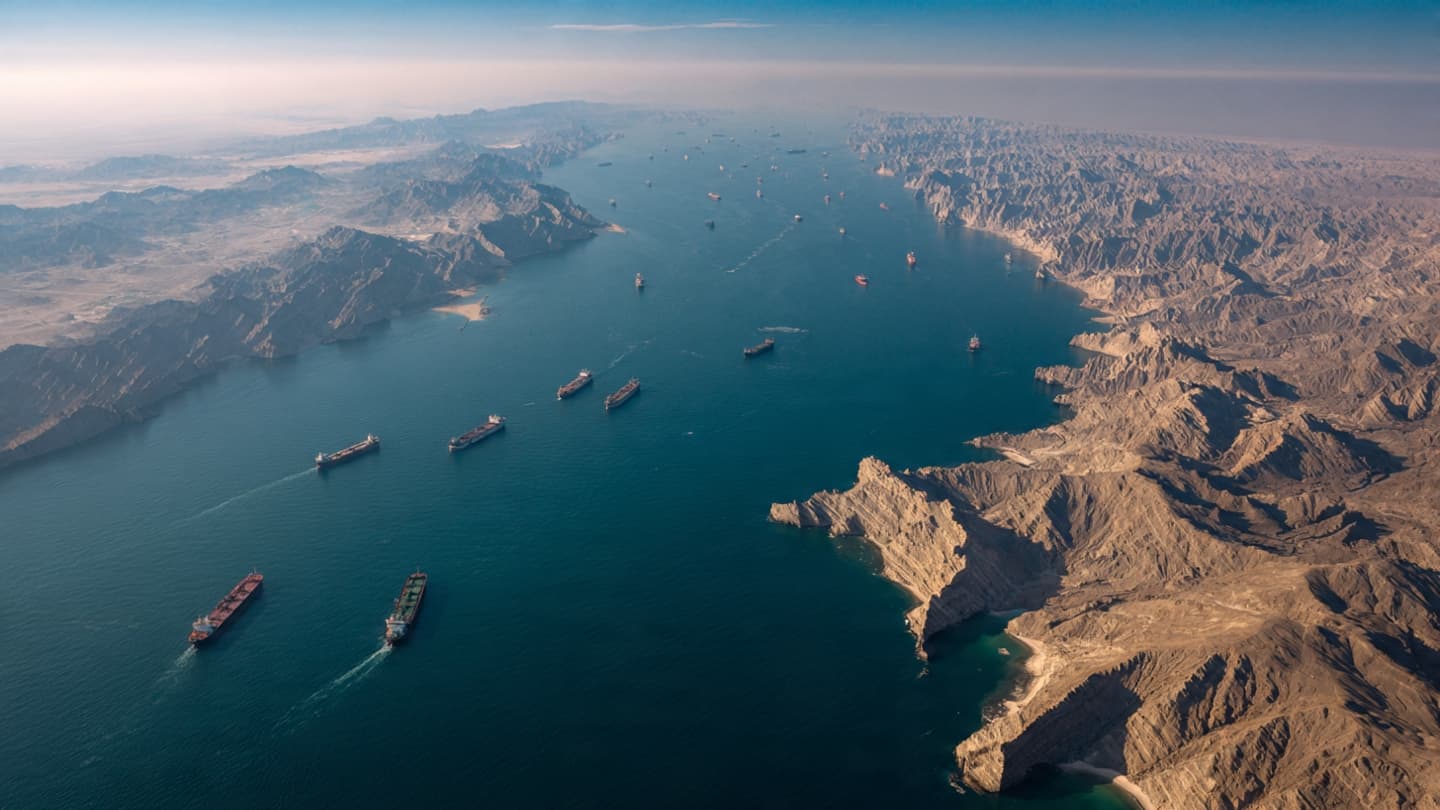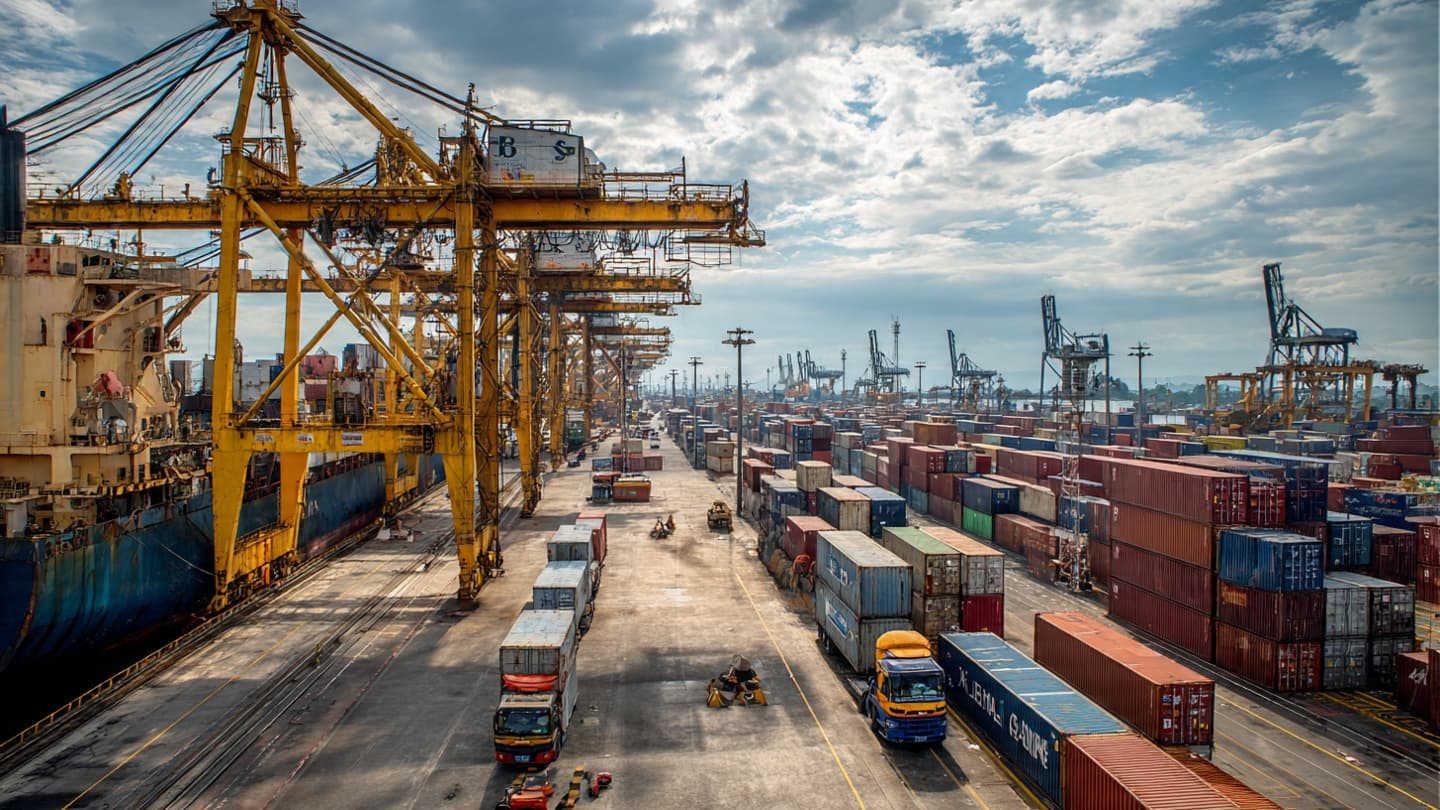
At Indonesia’s ports, economic change can often be seen before it appears in a report. Containers move, ships arrive and depart, and goods travel between factories, farms, warehouses, and distant markets. In July, those movements produced another trade surplus for Indonesia, even as imports accelerated sharply.
Indonesia recorded a trade surplus in July after exports increased by 6% year on year, while imports climbed 27%, according to Reuters. The figures show a trading economy experiencing strong activity on both sides of its international balance.
The rise in exports reflects continued demand for Indonesian products abroad. The country remains an important supplier of commodities, manufactured goods, and processed natural resources to markets across Asia and beyond. Stronger export activity can provide additional income for producers while supporting logistics and port-related businesses.
At the same time, the 27% increase in imports shows that goods are also moving into Indonesia at a much faster pace. Imports can include raw materials, machinery, industrial components, energy products, and consumer goods, meaning a rise in imports may also reflect stronger activity within the domestic economy.
The relationship between the two figures is what ultimately determines the trade balance. Indonesia can record a surplus even when imports rise considerably, provided that the value of exports remains higher. July therefore illustrates how an expanding flow of goods does not necessarily weaken the country’s external position.
For Indonesian manufacturers, imported machinery and intermediate materials can be part of the production process rather than simply final consumption. Businesses may rely on overseas equipment and components before turning them into products destined for domestic or international markets.
Export performance, meanwhile, remains sensitive to international commodity prices and demand. Indonesia’s large role in global resource markets means changes in energy, mineral, agricultural, and industrial commodity conditions can quickly influence the value of shipments leaving its ports.
The July figures also arrive at a time when global trade patterns continue to evolve. Companies are adjusting supply chains, markets are changing purchasing strategies, and countries are seeking greater resilience in their access to important goods. Indonesia’s position within those networks gives its trade numbers significance beyond the monthly balance itself.
For now, the return to a surplus provides a positive marker for Indonesia’s external trade. Exports are moving higher, imports are growing even faster, and the relationship between the two continues to shape the country’s place in global commerce. The next monthly figures will show whether July’s pattern develops into a broader trend.
Image Disclaimer: These AI-generated illustrations are conceptual representations created for editorial visualization and do not depict the specific shipments, ports, or trade transactions described.
Sources: Reuters
Published by Banx Network. This article is part of the Banx decentralized media programme, powered by the BXE token on the XRP Ledger.