For decades, Indonesia has watched its commodities travel outward from its islands toward markets around the world. Coal, nickel, palm oil, and other resources have helped shape the country's position in international trade. Now, Jakarta is seeking something more ambitious: a greater role in determining how those commodities are priced.
Indonesia's plans to strengthen its commodity exchange and become a global reference point for prices face significant challenges, according to a Reuters analysis published this month. The ambition reflects the country's position as a major producer, but becoming a recognized price-setting center requires deep liquidity and broad international participation.
The idea is rooted in a simple economic observation. Countries that produce large volumes of commodities do not always control the prices at which those commodities are traded. Global benchmarks are often established in financial centers outside the producing countries, leaving exporters exposed to price movements determined elsewhere.
Indonesia's resource base gives it a strong starting point. It is among the world's leading exporters of thermal coal, palm oil, and nickel, while its downstream mineral-processing industry has expanded significantly in recent years. Those industries have created an increasingly sophisticated network of mines, processing facilities, ports, and trading companies.
But size alone does not create a global benchmark. Commodity exchanges require substantial trading volume, reliable information, transparent contracts, and confidence among international buyers and sellers. Without enough participants, prices can become less representative of the global market.
That is where the country's ambition encounters a more complicated reality. A domestic benchmark could help Indonesian producers and buyers manage risk, but if liquidity remains limited, the exchange could struggle to attract international users. The result would be a marketplace that exists institutionally but lacks the depth required to influence global pricing.
The wider commodity environment also makes the timing significant. Global energy and mineral markets have been experiencing substantial shifts, with geopolitical disruptions affecting oil prices and supply chains. Such movements can create opportunities for producers, but they can also expose domestic markets to sudden volatility.
Indonesia's July trade figures provide a glimpse of that sensitivity. Exports rose 6% year over year to $26.22 billion, supported by shipments of coal, refined nickel, chemicals, and aluminum. At the same time, imports increased 27%, with oil imports rising sharply.
For Indonesian policymakers and businesses, developing a stronger commodity market is therefore about more than creating another exchange. It is about building an ecosystem in which domestic production, international buyers, financial institutions, and price information can interact with sufficient scale.
The road toward global price-setting status is likely to take time. Indonesia has the natural resources and growing industrial capacity, but international commodity markets are built on trust, liquidity, and sustained participation. For now, the country continues to explore how its growing importance as a producer can translate into a stronger position in the marketplace where prices are formed.
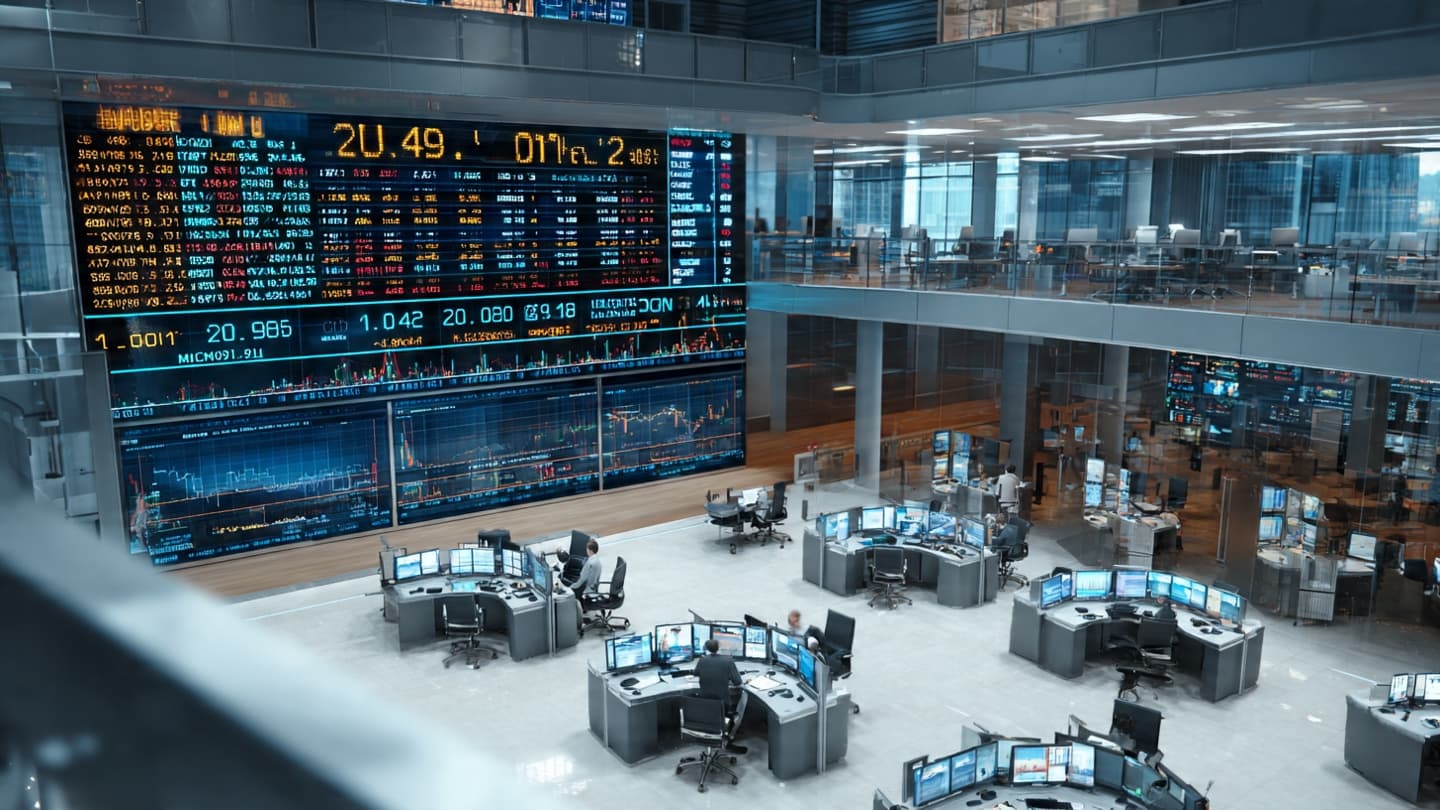
AI Image Disclaimer: The accompanying illustrations are AI-generated concepts designed to visualize the subject and do not represent actual photographs.
Sources: Reuters Indonesia Commodity & Derivatives Exchange Statistics Indonesia Bank Indonesia
Published by Banx Network. This article is part of the Banx decentralized media programme, powered by the BXE token on the XRP Ledger.