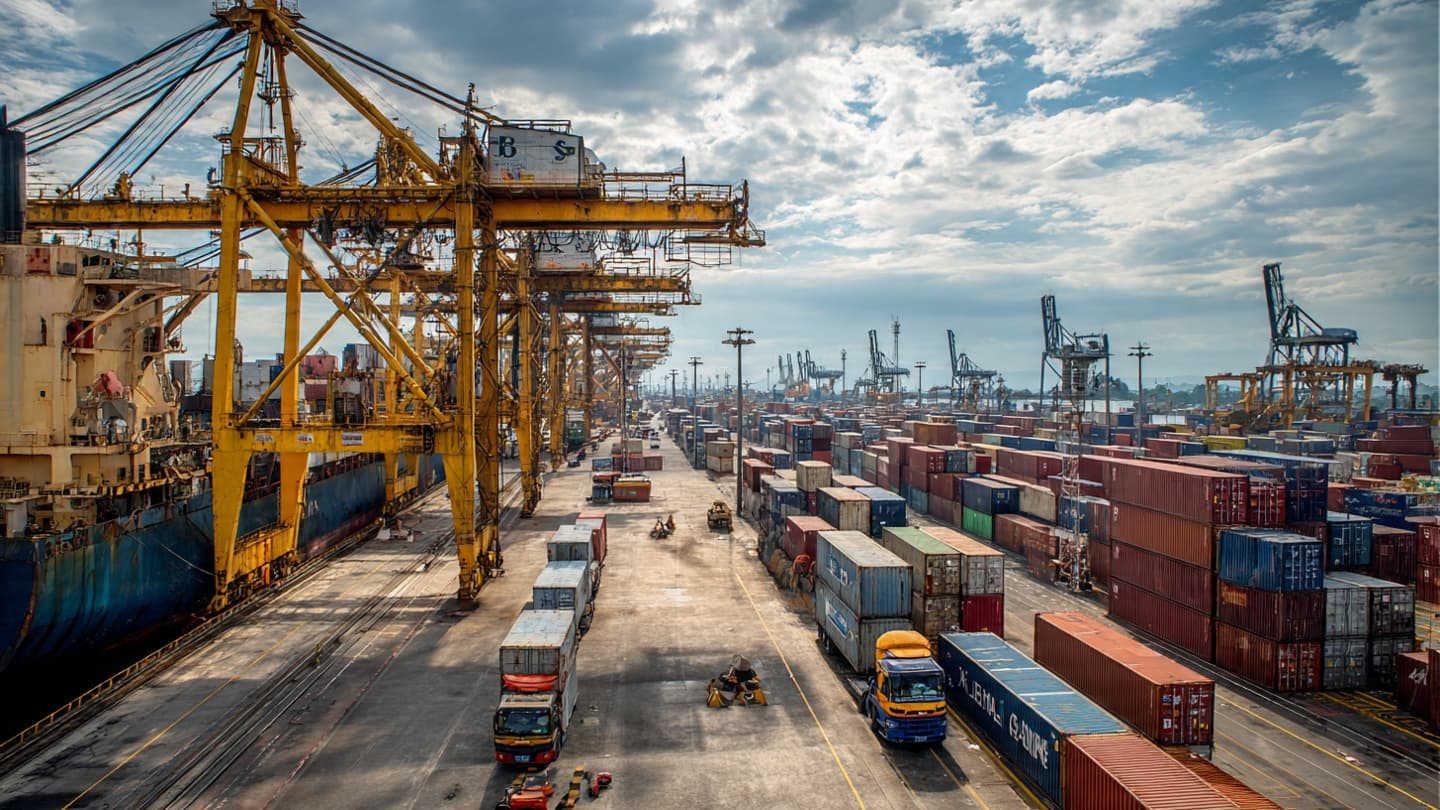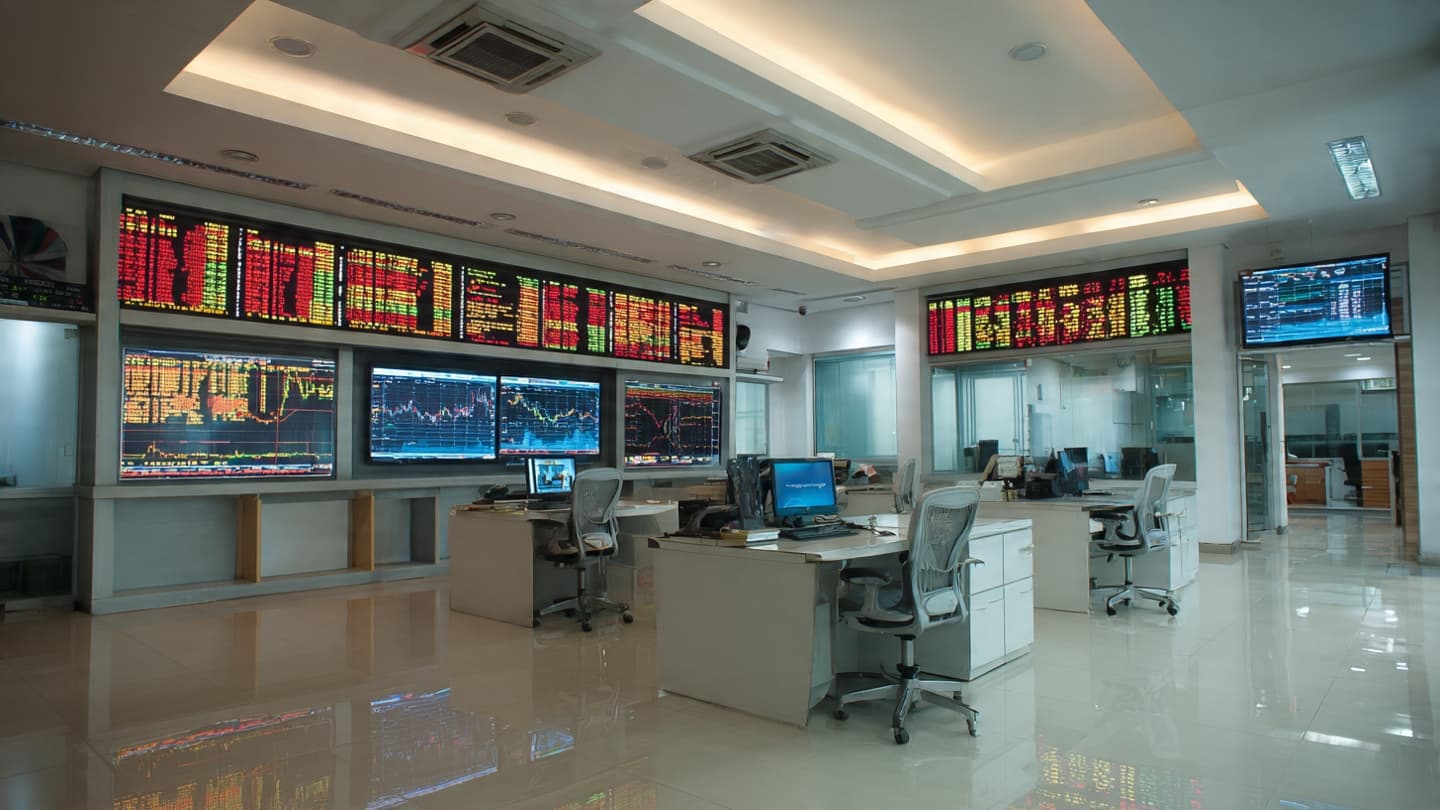
Commodity markets often begin far from trading screens. They begin in plantations, mines, farms, warehouses, and production centers, where goods are created before eventually entering a complex financial network. Indonesia is now preparing another step in organizing that journey through plans for a new commodity exchange.
The planned exchange is intended to strengthen domestic commodity trading and provide a more structured marketplace for transactions. But the system also faces questions surrounding mandatory trading requirements and whether sufficient market participation can develop once the new framework becomes operational.
Indonesia is a major producer and exporter of commodities, giving the country a natural interest in building deeper domestic markets. A stronger exchange could potentially improve price discovery, transparency, and the ability of businesses to manage commodity-related risks.
Yet an exchange needs more than regulations and infrastructure. It also needs active buyers and sellers. Without sufficient participation, trading volumes can remain limited, making it more difficult for market prices to accurately reflect supply, demand, and international conditions.
Mandatory trading rules can provide an initial foundation by directing certain transactions through the exchange. However, such requirements can also create concerns if participants find the system costly, inconvenient, or insufficiently liquid compared with existing trading arrangements.
For producers, a functioning commodity exchange could provide another mechanism for understanding market prices. Farmers, mining companies, processors, exporters, and other businesses could potentially gain a clearer reference point when negotiating transactions or planning production.
For the government, the exchange is part of a broader effort to bring more commodity activity into a transparent domestic framework. Indonesia has long sought to increase the value it receives from its natural resources, including through downstream processing and stronger domestic institutions.
The success of the new exchange will ultimately depend on how effectively its rules work in practice. Market participants will need confidence that prices are reliable, transactions can be completed efficiently, and sufficient buyers and sellers will remain active.
For now, Indonesia’s commodity exchange is still taking shape. Between regulatory ambition and market reality, the coming period will determine whether the new platform becomes a busy meeting place for commodity trade or faces a slower path toward meaningful liquidity.
Image Disclaimer: The accompanying images are AI-generated conceptual illustrations of commodity trading and market infrastructure and are not photographs of the actual exchange or participants.
Sources: Reuters
Published by Banx Network. This article is part of the Banx decentralized media programme, powered by the BXE token on the XRP Ledger.