In the grand tradition of classical architecture, where stone speaks of permanence and power, a new chapter is being written for the White House. President Donald Trump has announced that Indiana limestone, quarried from the heart of America, will be shipped to Italy for carving into the columns of his proposed ballroom. This decision, blending domestic material with European craftsmanship, has sparked a dialogue about heritage, artistry, and the symbolism of national identity. It is a gesture that looks backward to the neoclassical roots of American government while asserting a modern vision of prestige.
The choice of Indiana limestone is significant, as this material has been used in many iconic American buildings, including the Empire State Building and the Pentagon. By selecting it for the White House ballroom, the administration emphasizes a connection to national history and durability. However, the decision to send the stone to Italy, specifically to the renowned artisans of Carrara, adds a layer of international collaboration and artistic prestige. It suggests that the finest craftsmanship, regardless of origin, is worthy of the nation’s most famous residence.
Critics have questioned the logistics and cost of transporting heavy stone across the Atlantic, only to ship it back. Some argue that American stonemasons possess the skills necessary for such work, and that keeping the project domestic would support local industries. Supporters, however, contend that Italian marble and limestone carving traditions are unmatched, and that the resulting quality will justify the effort. The debate reflects broader tensions between nationalism and globalism in cultural projects.
The ballroom itself has been a subject of controversy, with legal challenges regarding its construction on the White House grounds. Proponents view it as a necessary addition for state functions and diplomatic events, enhancing the capacity of the executive mansion. Opponents see it as an extravagant alteration to a historic landmark. The use of Italian craftsmanship may be seen as an attempt to elevate the project’s aesthetic value, framing it as a work of art rather than mere construction.
For the workers in Indiana and Italy, the project represents economic opportunity. Quarries in Indiana will see increased demand, while workshops in Italy will engage in high-profile restoration and creation work. This transatlantic exchange highlights the interconnected nature of modern supply chains, even in projects steeped in national symbolism. It is a reminder that global cooperation can yield tangible benefits for local communities.
The aesthetic impact of the columns will be substantial. Classical columns evoke a sense of order, stability, and grandeur, aligning with the architectural language of Washington, D.C. By incorporating them into the new ballroom, the design seeks to harmonize with existing structures while making a bold statement. The visual continuity is intended to reinforce the dignity of the office and the enduring nature of the republic.
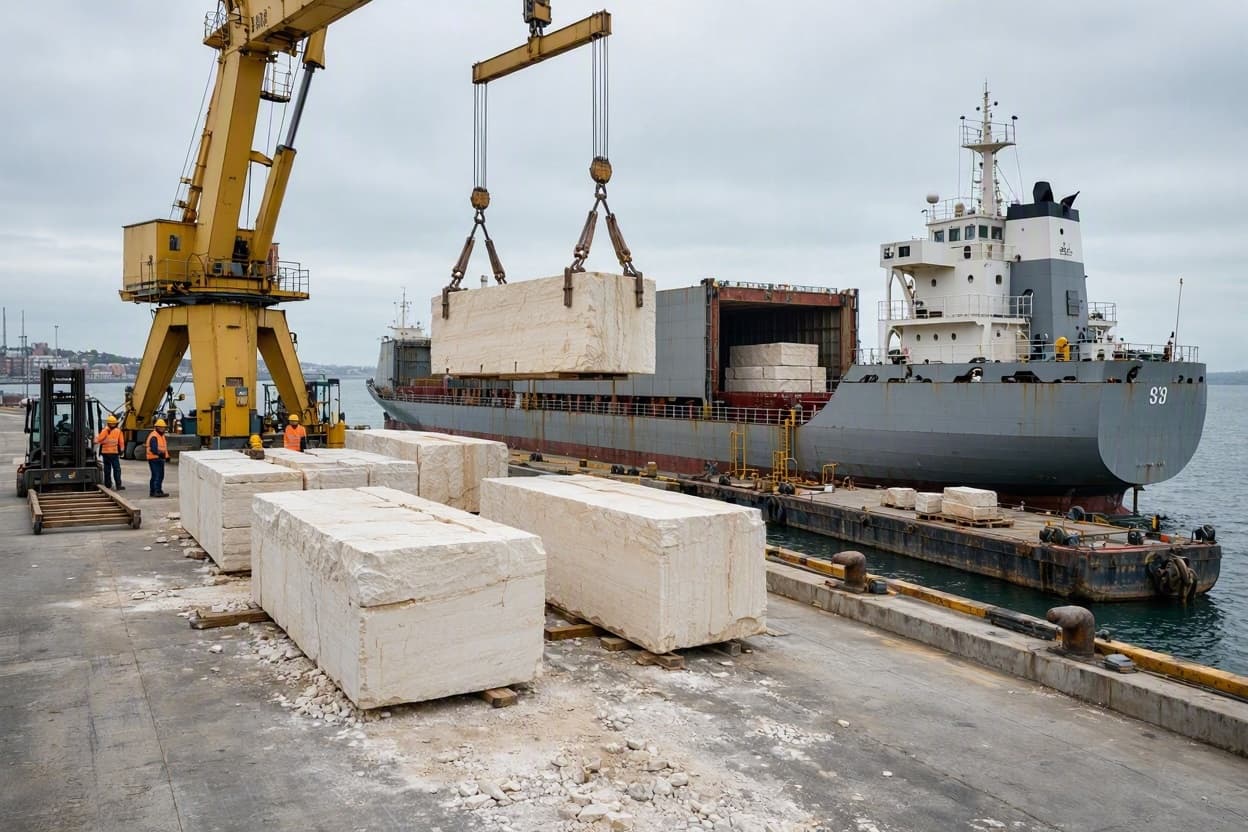
As the stone is prepared for shipment, anticipation builds for the final result. The process of carving, shipping, and installation will be closely watched by architects, historians, and the public. Each step offers a glimpse into the values and priorities of the current administration, as well as the evolving taste of the nation.
The decision to carve Indiana limestone in Italy for the White House ballroom is a complex blend of tradition and ambition. It invites reflection on how we define American craftsmanship and heritage in a globalized world. Whether viewed as a masterstroke of diplomacy or a logistical curiosity, the project promises to leave a lasting mark on the presidential landscape.
AI Image Disclaimer: The images associated with this report are AI-generated visualizations created to provide context and should not be interpreted as documentary evidence.
Sources: Euronews Yahoo News Indiana Star C-SPAN CNN
Published by Banx Network. This article is part of the Banx decentralized media programme, powered by the BXE token on the XRP Ledger.