
Key Highlights
- Indian refiners are now purchasing Iranian oil using yuan.
- Payments are processed through ICICI Bank in Shanghai.
- This shift occurs under a temporary waiver from US sanctions.
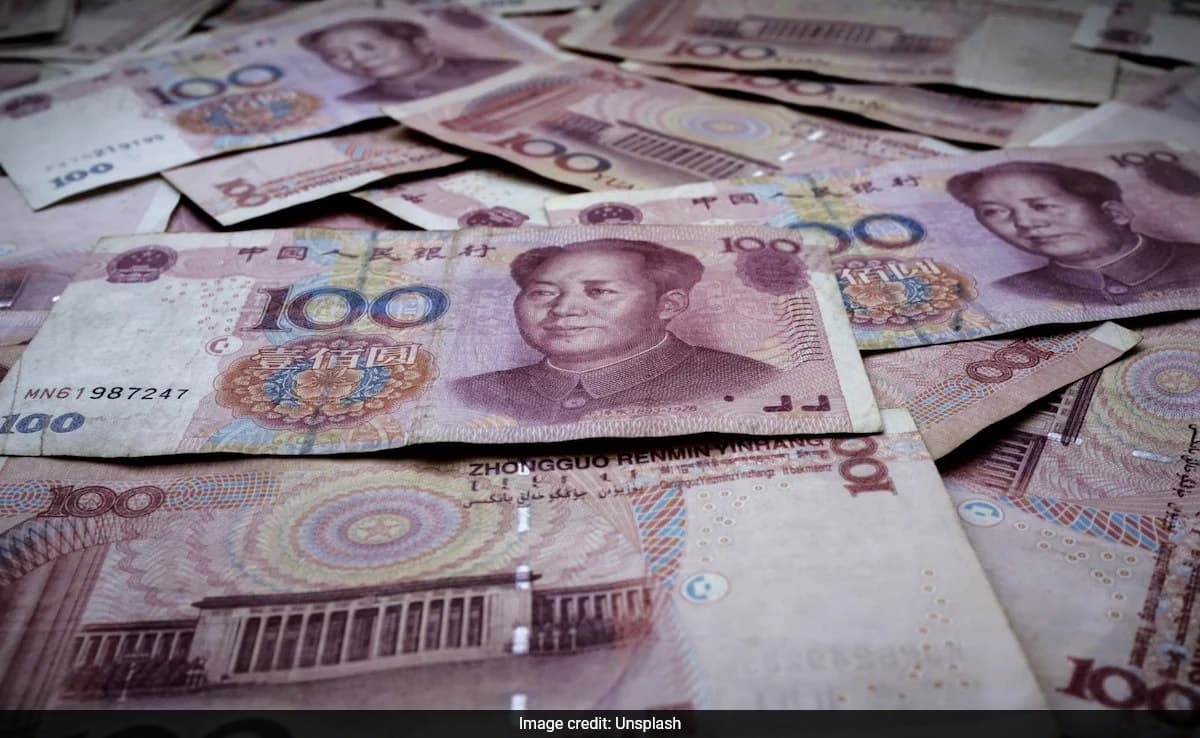
Indian refiners have recently begun purchasing Iranian oil using Chinese yuan, a significant shift from their previous reliance on the US dollar. This change comes as Iranian authorities insist on payments in yuan to navigate the financial restrictions imposed by the United States. Major Indian companies, including Indian Oil and Reliance Industries, are adapting to this new payment method, which reflects a broader trend in international trade as countries seek alternatives to the dollar.
The payments for Iranian oil are being facilitated through ICICI Bank's branch in Shanghai, as other banking institutions currently lack a presence in China. This strategic move allows Indian refiners to continue sourcing oil while adhering to the constraints of US sanctions. Officials from both the refiners and the bank were unavailable for comment, indicating the sensitive nature of these transactions.
Sujata Sharma, a joint secretary in the petroleum ministry, emphasized that oil marketing companies are actively working to secure sufficient cargo to meet domestic demand. This proactive approach is crucial as India navigates the complexities of international oil markets, especially in light of the ongoing geopolitical tensions in West Asia.
The waiver from the Trump administration allows for the purchase of Iranian and Russian oil that is already in transit, aiming to mitigate the rising oil prices linked to the conflict in the region. As the waiver approaches its expiration date, expected shipments from Iran could provide a critical opportunity for Indian refineries to bolster their crude supply before the window closes.
The shift to yuan payments for Iranian oil not only highlights the evolving dynamics between Iran and Western nations but also signifies a potential transformation in global trade practices. As countries like India explore alternative currencies for oil transactions, the implications for international finance and trade could be profound, potentially diminishing the dominance of the US dollar in global markets.
As the situation develops, the ability of Indian refiners to adapt to these changes will be closely monitored, particularly as they seek to balance domestic energy needs with the complexities of international relations and economic sanctions.
Published by Banx Network. This article is part of the Banx decentralized media programme, powered by the BXE token on the XRP Ledger.



