
Key Highlights
- Rahul Gandhi predicts Modi government could collapse within a year.
- BJP leaders criticize Gandhi's remarks as irresponsible and destabilizing.
- Political discourse in India increasingly polarized ahead of elections.
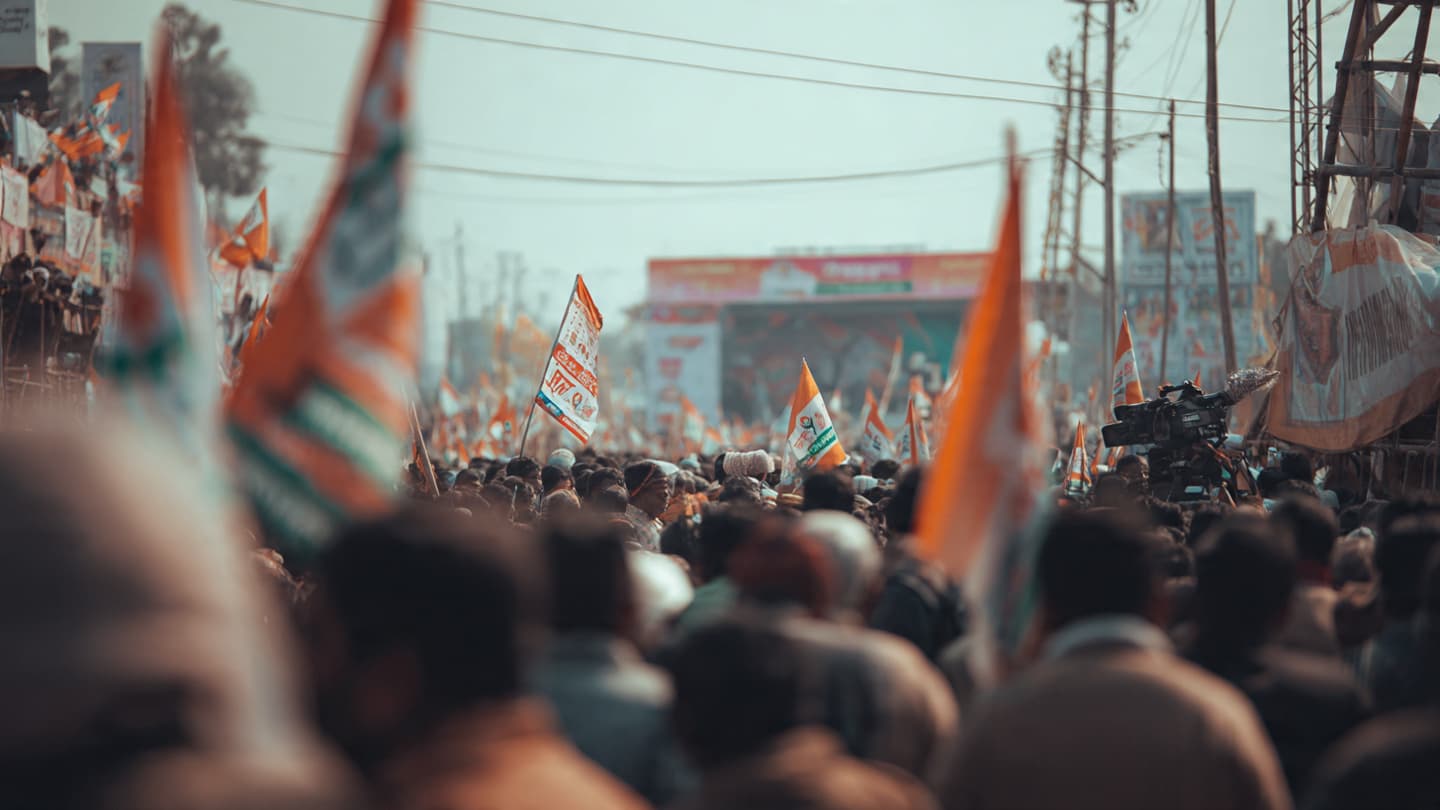
Political discourse in India often moves like the monsoon sky—shifting between confrontation and symbolism, where a single remark can travel quickly through rallies, television debates, and public conversations. This week, comments made by opposition leader Rahul Gandhi regarding the future of Prime Minister Narendra Modi's government sparked sharp criticism from leaders of the ruling Bharatiya Janata Party (BJP).
Gandhi reportedly stated that the Modi government could fall within the next year, remarks that BJP leaders strongly criticized as politically irresponsible and potentially destabilizing. Several ruling party figures accused the opposition of attempting to create uncertainty and unrest through provocative public statements. This exchange reflects the increasingly intense political climate ahead of future electoral contests in India.
As national and regional campaigns continue to evolve, political parties have sharpened their rhetoric surrounding governance, economic direction, coalition stability, and leadership credibility. BJP representatives defended the government’s political standing by pointing to its parliamentary strength, electoral performance, and ongoing development initiatives. Party leaders argued that predictions of collapse were disconnected from the current political landscape and intended primarily to energize opposition supporters.
Meanwhile, opposition figures continued to criticize the Modi administration over pressing issues such as unemployment, inflation, democratic institutions, and social tensions. Indian politics has become increasingly polarized in recent years, with public debates often extending beyond policy into questions of political identity and governance style. The rhetoric from both ruling and opposition leaders has become a defining feature of contemporary Indian politics.
Political analysts noted that strong rhetoric from both sides is frequently amplified through television coverage and social media, intensifying partisan reactions across the country. Observers emphasized that political language carries significant symbolic weight in a democracy as large and diverse as India. Public trust, investor confidence, and social stability can all be influenced by how leaders frame disagreements during periods of heightened political competition.
The remarks triggered extensive reactions online, with supporters and critics from multiple political camps debating the implications of Gandhi’s statement. Television discussions and political commentators further expanded the controversy, turning the exchange into a broader national conversation about political conduct and democratic opposition. As political campaigning continues across several Indian states, confrontations between the BJP and opposition parties are expected to remain highly visible. The latest dispute reflects not only a disagreement over political predictions but also the increasingly emotional tone shaping India’s public political discourse.
Published by Banx Network. This article is part of the Banx decentralized media programme, powered by the BXE token on the XRP Ledger.



