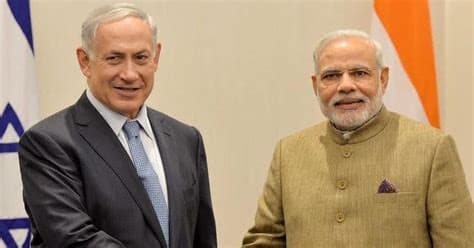
Indian Prime Minister Narendra Modi is making a high-profile visit to Israel, coinciding with escalating tensions between the United States and Iran. This diplomatic trip highlights India's increasing engagement in Middle Eastern geopolitics and its strategic partnerships in the region.
As Modi arrives in Israel, discussions are expected to revolve around strengthening bilateral ties in areas such as defense, technology, and energy. Both nations share concerns regarding regional stability, particularly with Iran's influence and its contentious nuclear program, which has raised alarms in Washington and among other Western allies.
Observers note that India’s relationship with Israel has blossomed over recent years, marked by significant defense cooperation and trade agreements. Modi's visit is seen as a reaffirmation of India’s commitment to a strong partnership with Israel, even as it navigates its historically complex relations with Iran.
The backdrop of U.S.-Iran tensions adds a vital layer to Modi's discussions, as India seeks to balance its strategic interests without alienating key players in the region. The Prime Minister’s visit is expected to address security concerns and explore ways to enhance economic collaboration, particularly in sectors that could contribute to regional stability.
As the geopolitical landscape evolves, Modi's diplomatic engagements signal India's intent to play a more active role in Middle Eastern affairs, striving to maintain positive relations across various nations while safeguarding its national interests. The outcomes of these talks could have significant implications not just for India and Israel, but also for the broader context of U.S.-Iran relations.
Published by Banx Network. This article is part of the Banx decentralized media programme, powered by the BXE token on the XRP Ledger.