
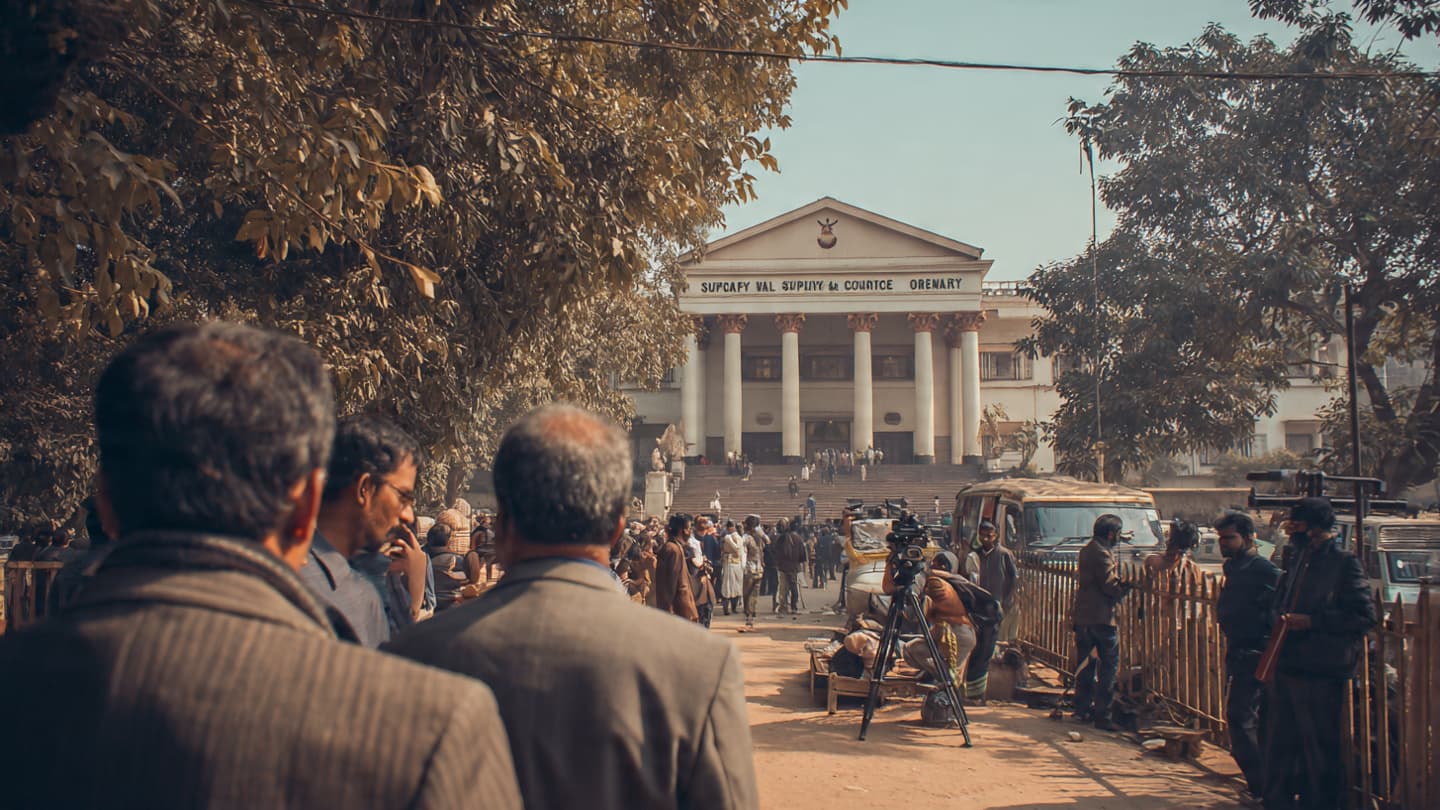
Courtrooms often serve as places where public trust and institutional accountability are tested side by side. Legal systems depend not only on written laws, but also on confidence that those representing citizens within judicial institutions are properly qualified and ethically accountable. In India, a recent plea filed before the Supreme Court raised concerns involving alleged fake advocates and the activities of a group referred to as the “Cockroach Janta Party.”
According to reports, the petition submitted before the requested an investigation into individuals allegedly posing as legal professionals without valid credentials. The filing also reportedly sought scrutiny of activities linked to the organization named in the plea.
Legal professionals and bar associations have periodically raised concerns about unauthorized individuals practicing law or misrepresenting professional qualifications. Such allegations can affect public confidence in legal proceedings and create risks for individuals seeking legitimate legal representation.
The petition reportedly argued that stronger verification systems and institutional oversight may be necessary to prevent misuse of legal credentials within judicial and administrative settings. Courts and bar councils in India already maintain regulatory frameworks intended to monitor professional licensing and conduct.
At the same time, the unusual naming of the group referenced in the plea attracted considerable public curiosity and media attention. However, legal observers cautioned that allegations presented in court filings do not automatically establish wrongdoing unless supported through investigation and judicial review.
India’s judicial system regularly handles petitions involving professional misconduct, administrative oversight, and institutional accountability. Public interest litigations, in particular, often become platforms for raising broader governance concerns before higher courts.
Legal analysts noted that cases involving alleged fake advocates may also highlight wider structural issues involving document verification, access to legal education records, and enforcement mechanisms within professional regulatory bodies. Maintaining public trust in legal institutions remains a central concern for courts and professional associations alike.
The Supreme Court is expected to review the contents of the plea before determining whether further inquiry, notices, or investigative directions are warranted. Such proceedings typically involve preliminary legal examination before substantive hearings move forward.
As the matter receives judicial attention, officials and legal organizations are likely to continue monitoring the allegations carefully. The case reflects broader public interest in transparency, institutional credibility, and the integrity of professional systems within India’s legal landscape.
AI Image Disclaimer: Some accompanying visuals were created using AI-generated imagery for editorial presentation purposes.
Sources: Bar and Bench, Live Law, Indian Express, The Hindu
Note: This article was published on BanxChange.com and is powered by the BXE Token on the XRP Ledger. For the latest articles and news, please visit BanxChange.com