Key Highlights
- Urban Expansion:Major cities in India are experiencing significant growth.
- Housing Demand:Increased interest in residential properties reflects economic confidence.
- Technological Influence:Digital platforms are transforming the real estate market.
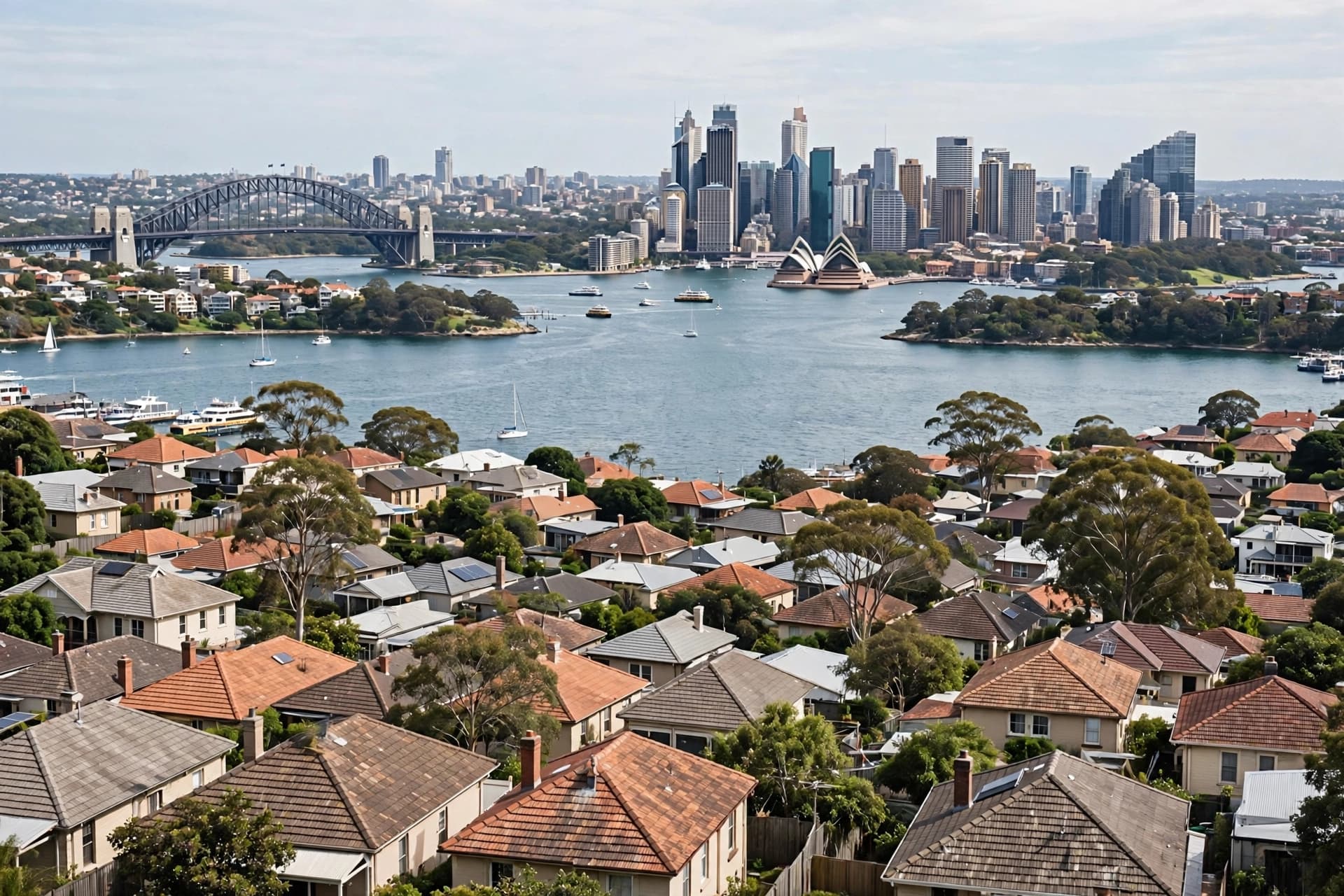
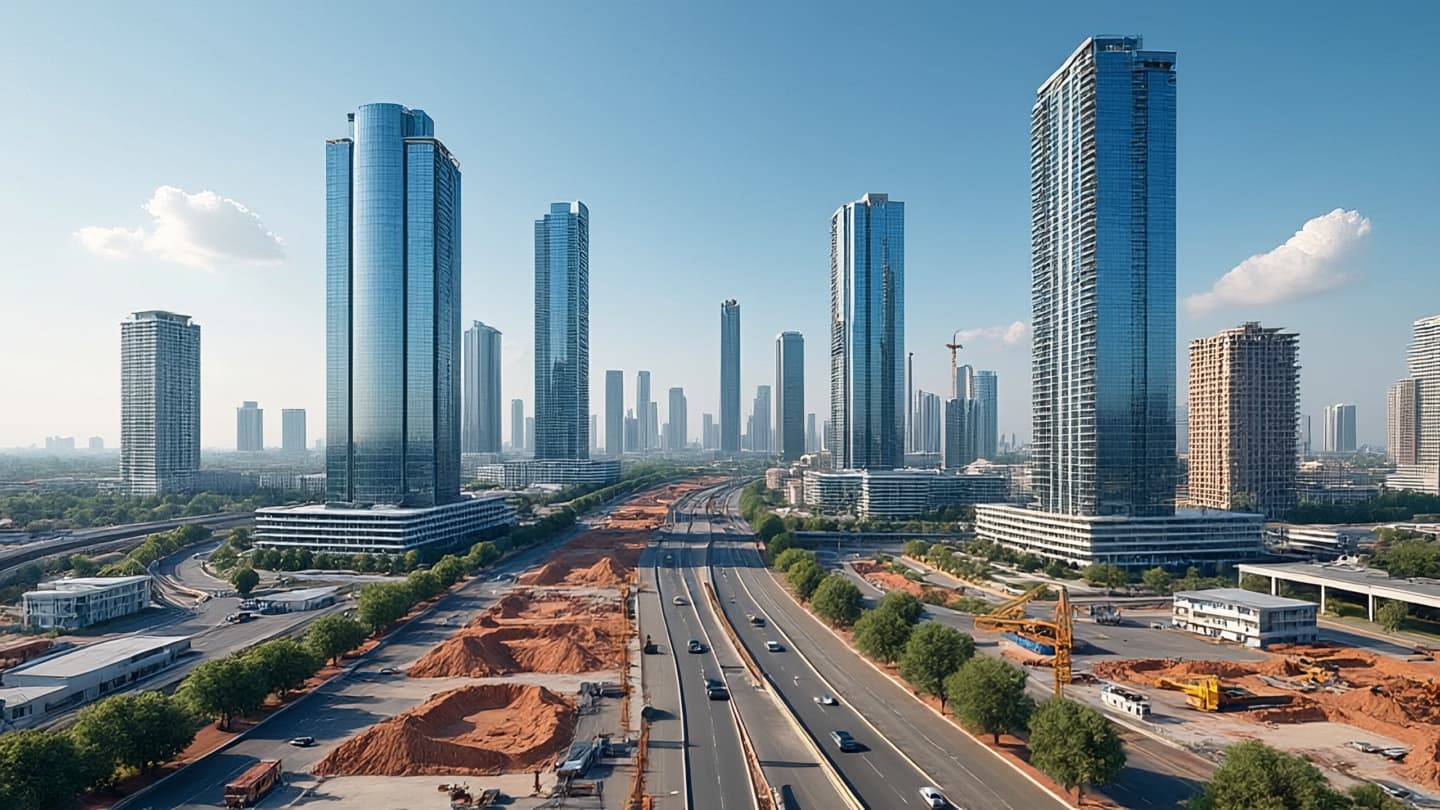
Across India, cities are continuing to expand as economic growth, population movement, and urban development reshape the country’s residential landscape. The housing sector has become an important part of this transformation, reflecting changing lifestyles and increasing demand for modern living spaces.
Major urban centers such as Mumbai, Bengaluru, Delhi, and Hyderabad are experiencing a surge in interest from buyers and investors. These cities are not only known for their economic opportunities but also for their expanding infrastructure, which is crucial for attracting new residents. The influx of people seeking better job prospects and quality of life is driving the demand for housing in these metropolitan areas.
Residential development is being influenced by several factors, including employment growth, improved connectivity, and evolving expectations among homebuyers. Many buyers are now looking for properties that combine comfort, technology, and access to essential services. This shift in consumer preferences is prompting developers to innovate and create housing solutions that cater to a diverse range of needs.
In response to this demand, developers are launching new housing projects designed for various segments of society. From affordable housing initiatives aimed at first-time buyers to premium developments targeting affluent consumers, the market is evolving to meet the needs of a changing demographic landscape. This diversification is essential for ensuring that all segments of the population can find suitable housing options.
Technology is also playing a pivotal role in India’s real estate transformation. Digital property platforms are making it easier for potential buyers to explore options, while virtual tours and smart home features are enhancing the home-buying experience. These advancements are not only streamlining the purchasing process but also making it more accessible to a broader audience.
However, challenges remain within the sector. Issues such as land availability, affordability, and infrastructure development continue to influence how quickly housing projects can expand. Industry analysts emphasize the need for sustainable planning and responsible development to address these challenges as urban areas become more populated.
Looking ahead, analysts believe that India’s long-term urban growth will continue to support residential demand. As cities expand, the connection between housing development and the country’s social and economic progress will become increasingly significant. The real estate sector represents a broader narrative of economic transformation, highlighting the importance of adapting to changing market dynamics and consumer needs.
As urban areas continue to grow, housing development will remain a critical component of India’s future, shaping the lives of millions and contributing to the nation’s overall economic health.
Published by Banx Network. This article is part of the Banx decentralized media programme, powered by the BXE token on the XRP Ledger.