
Key Highlights
- Operational Date:The India-Russia military pact commenced on April 20, 2026.
- Troop Deployment:3,000 troops, 5 warships, and 10 aircraft will be stationed in each other's territories.
- Strategic Importance:The agreement aims to enhance defense ties amid rising geopolitical tensions.
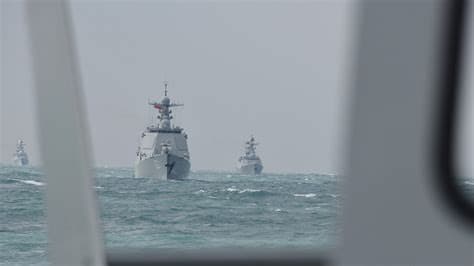
The India-Russia military pact, which facilitates the stationing of military assets in each other's territories, has officially commenced operations as of April 20, 2026. Under this agreement, both nations will deploy 3,000 troops, 5 warships, and 10 aircraft in mutual efforts to bolster defense ties and enhance regional security.
This landmark agreement reflects the deepening military relationship between India and Russia, particularly in light of the shifting dynamics in global geopolitics. As both nations face rising tensions on various fronts—India with its neighbors and Russia with the West—this pact serves as a strategic counterbalance. The operationalization of this agreement marks a significant milestone in their defense collaboration, showcasing a commitment to mutual support in an increasingly complex security environment.
Troop deployments are expected to be concentrated in key strategic locations to ensure readiness and rapid response capabilities. The agreement allows for joint training exercises and increased interoperability between the forces of both nations, enhancing their operational capabilities. This aspect is crucial as it not only prepares the troops for potential joint missions but also fosters a deeper understanding of each other's military doctrines and operational procedures.
Analysts view this pact as a move designed to counter potential threats in the Indo-Pacific region, where both countries have growing strategic interests. The ability to station military assets in each other's territories can serve as a deterrent against aggressive posturing from rival nations. This is particularly relevant given the current geopolitical climate, where both India and Russia are navigating complex relationships with neighboring countries and global powers.
Furthermore, this pact underscores a broader trend of military collaboration between non-Western powers amid an increasingly polarized global landscape. Defense experts emphasize that such partnerships may play a crucial role in shaping future security arrangements and responses to various crises. The collaboration between India and Russia could inspire similar agreements among other nations, potentially altering the balance of power in the region.
As military assets from both India and Russia begin to occupy each other's territories, the international community is closely monitoring the implications of this agreement. The effectiveness of such a collaboration in ensuring regional stability remains to be seen, but both nations appear committed to solidifying their defense capabilities in the face of evolving challenges. The long-term impact of this pact will likely influence not only bilateral relations but also the broader geopolitical landscape in the Indo-Pacific and beyond.
Published by Banx Network. This article is part of the Banx decentralized media programme, powered by the BXE token on the XRP Ledger.



