
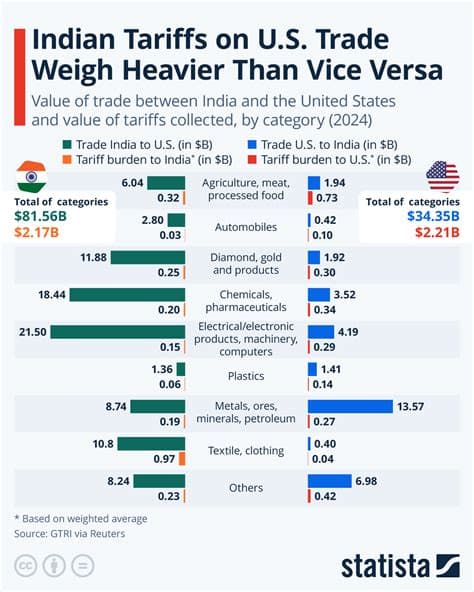
In a significant move affecting bilateral trade, India announced a 30 percent retaliatory tariff on imports of pulses from the United States, in response to previous tariffs imposed on various Indian products by the US. This decision was made in order to protect domestic agriculture and the pulse industry, as well as to ensure the viability of the agricultural sector and support for farmers amid fluctuating global prices.
Economic analysts expressed concerns that such actions could hinder progress in trade negotiations between the two countries. The US had previously discussed a possible trade deal with India, which could have enhanced market access for both parties. However, tariffs of this kind often lead to reciprocal measures, creating an escalating cycle of trade tensions that can derail cooperation efforts. Industry stakeholders in both nations are closely monitoring the situation. US pulse producers fear reduced market access, whereas Indian importers are concerned about potential shortages and higher prices for essential goods.
Both governments are seeking to address their trade concerns, and the latest tariff announcement underscores the delicate nature of international trade relationships and the potential consequences of missteps that can impact global markets. It is expected that diplomats from both countries will engage in discussions aimed at mitigating the situation and finding mutually beneficial solutions going forward.
Published by Banx Network. This article is part of the Banx decentralized media programme, powered by the BXE token on the XRP Ledger.


