
Key Highlights
- India has imposed a 30% retaliatory tariff on U.S. pulses.
- The move is a response to previous U.S. tariffs on Indian products.
- Concerns arise over the impact on trade negotiations between the two countries.
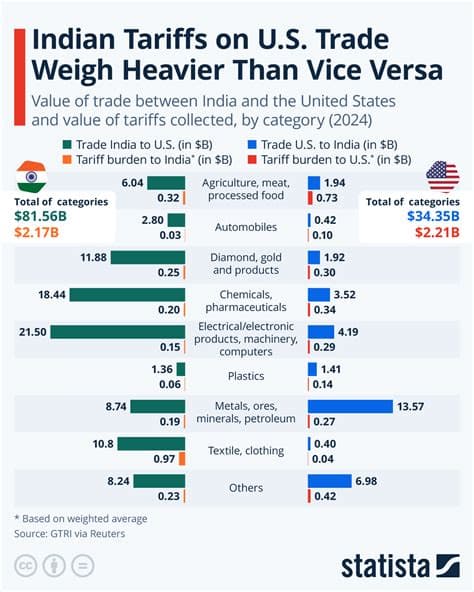
In a significant development for international trade, India has announced a 30 percent retaliatory tariff on imports of pulses from the United States. This decision comes as a direct response to tariffs previously imposed by the U.S. on various Indian products. The Indian government aims to protect its domestic agriculture sector and ensure the viability of its pulse industry, which is crucial for supporting local farmers amid fluctuating global prices.
Economic analysts are expressing concerns that this tariff could hinder ongoing trade negotiations between India and the U.S. The two nations had been discussing a potential trade deal that could enhance market access for both parties. However, the imposition of tariffs often leads to reciprocal measures, creating an escalating cycle of trade tensions that can derail cooperation efforts. Industry stakeholders in both countries are closely monitoring the situation, as U.S. pulse producers fear reduced market access, while Indian importers are worried about potential shortages and increased prices for essential goods.
The pulse industry is vital for both nations, with pulses being a staple in Indian diets and an important agricultural export for the U.S. The new tariff could significantly impact the supply chain, affecting prices and availability in the Indian market. As the situation develops, both governments are expected to engage in discussions aimed at addressing their trade concerns and mitigating the impact of these tariffs.
The latest tariff announcement underscores the delicate nature of international trade relationships. Missteps in trade policy can have far-reaching consequences, not only for the countries involved but also for global markets. As India and the U.S. navigate these challenges, the focus will be on finding mutually beneficial solutions that can foster cooperation rather than conflict.
Diplomats from both countries are likely to engage in talks to address the tariff issue and explore avenues for reducing trade barriers. The outcome of these discussions will be crucial in determining the future of U.S.-India trade relations and the broader implications for international trade dynamics.
As the global economy continues to grapple with uncertainties, the actions taken by major economies like India and the U.S. will be closely watched by market participants and policymakers alike. The evolving trade landscape will require careful navigation to ensure that both nations can achieve their economic goals without further escalating tensions.
Published by Banx Network. This article is part of the Banx decentralized media programme, powered by the BXE token on the XRP Ledger.



