
Key Highlights
- Resumption of trade:India and China restart border trade after six years.
- First group:16 traders flagged off for Tibet, marking a significant milestone.
- Economic implications:The restart is seen as a step towards normalizing relations.
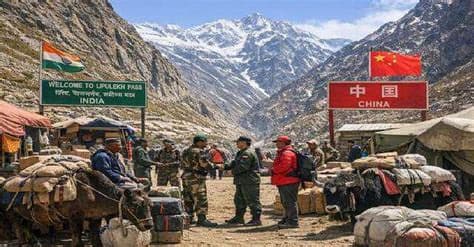
The long-awaited resumption of border trade between India and China has finally taken place after a six-year hiatus, with the first group of 16 traders flagged off for Tibet. This development is a significant milestone in the cross-border commercial activities that have been stalled due to various geopolitical tensions and logistical challenges. The traders are expected to transport goods under the newly re-established arrangements, which have been coordinated by both nations' authorities to ensure smooth customs and operational procedures.
The restart of trade is not just a logistical achievement; it symbolizes a thaw in the economic relations between the two countries, which have faced numerous challenges in recent years. The border trade corridor, particularly through the Lipulekh Pass, has been a vital route for commerce, and its reopening is anticipated to enhance economic exchanges that have been disrupted for far too long. The authorities are optimistic that this move will pave the way for more robust trade relations moving forward.
In the past, the border trade has facilitated the exchange of various goods, including agricultural products, textiles, and handicrafts, which are crucial for the local economies on both sides. The resumption of these exchanges is expected to provide a much-needed boost to the livelihoods of traders and their communities, who have been adversely affected by the prolonged suspension of trade activities.
As the first batch of traders embarks on this journey, there is a palpable sense of hope among stakeholders that this initiative will lead to a more stable and prosperous economic relationship between India and China. Both nations have expressed their commitment to enhancing trade ties, and this resumption is seen as a foundational step in that direction.
Looking ahead, the success of this trade resumption will depend on the effective management of customs and operational protocols, as well as the ability of both countries to navigate any potential challenges that may arise. The international community will be watching closely to see how this development unfolds and what it means for the broader geopolitical landscape in the region.
Published by Banx Network. This article is part of the Banx decentralized media programme, powered by the BXE token on the XRP Ledger.



