There is a profound silence in space, a quiet that follows the roar of launch. When a spacecraft separates from its rocket, it marks the end of one journey and the beginning of another. On August 31, 2026, the Nancy Grace Roman Space Telescope achieved this milestone, drifting away from its launch vehicle to begin its solitary voyage into the cosmos. The image capturing this moment is not just a technical record; it is a poetic symbol of independence, as humanity’s latest eye on the universe sets out to uncover its deepest secrets.
The separation event is a critical phase in any space mission, requiring precise timing and engineering. For the Roman Telescope, this moment signaled the start of its operational life. Designed to explore dark energy, exoplanets, and infrared astrophysics, the telescope is equipped with instruments that will allow it to see farther and clearer than ever before. Leaving the rocket behind is the first step in fulfilling its scientific promise.
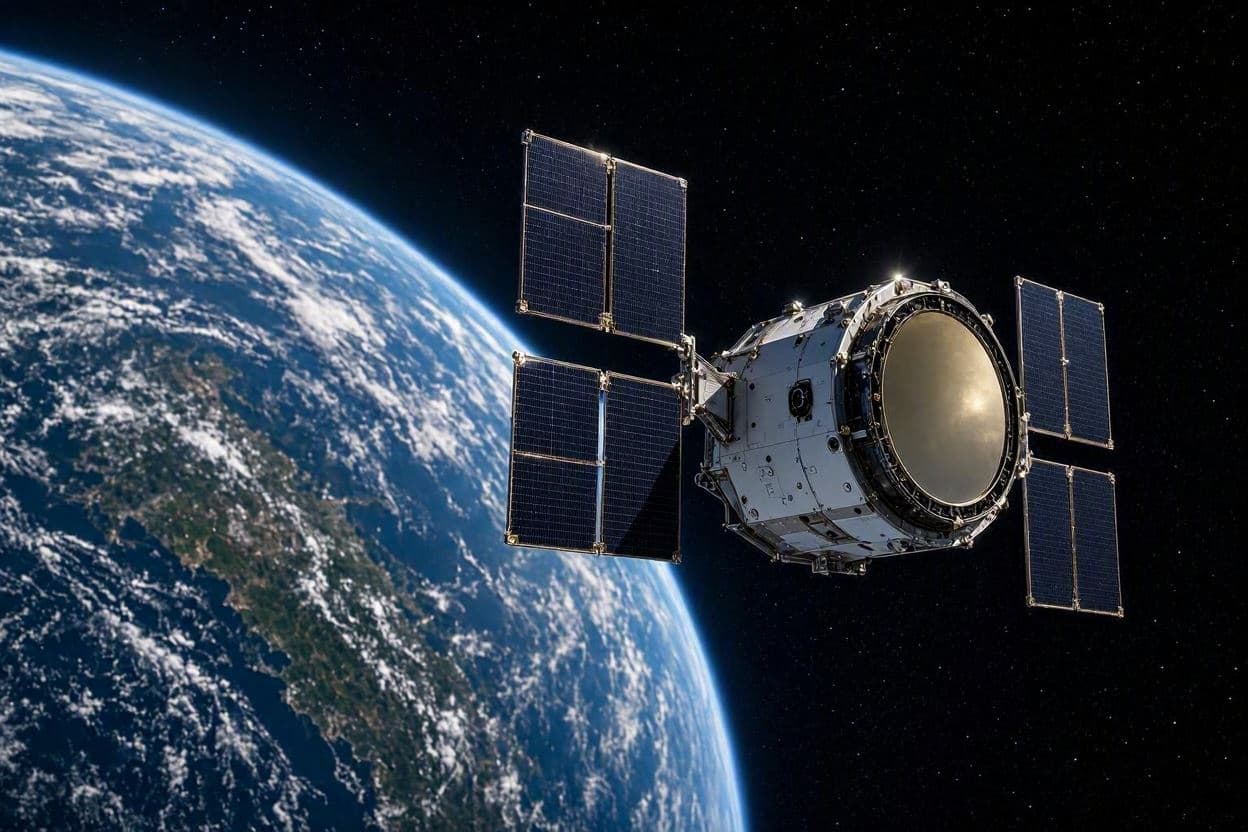
The "Space Photo of the Day" captures the sleek structure of the telescope against the backdrop of Earth’s curvature. The contrast between the mechanical precision of the instrument and the organic beauty of our planet is striking. It reminds viewers of the fragility of our home and the ambition of our reach. The image serves as a visual anchor for the public, making the abstract concept of space exploration tangible and relatable.
The Roman Telescope’s mission is ambitious. It aims to survey billions of galaxies, mapping the distribution of dark matter and energy that shapes the universe. It will also search for exoplanets, using microlensing techniques to detect worlds that might otherwise remain hidden. These goals require a stable and unobstructed view of the sky, which the telescope now has as it moves away from the interference of its launch vehicle.
This achievement is the result of years of collaboration among scientists, engineers, and policymakers. It represents a collective effort to push the boundaries of knowledge. The successful separation is a testament to the reliability of modern space technology and the dedication of the teams who built and launched the instrument. It is a moment of pride for the astronomical community.
As the telescope travels to its orbit around the second Lagrange point (L2), it will undergo a series of checks and calibrations. This period is crucial for ensuring that its mirrors and sensors are aligned correctly. The data received during this phase will determine the quality of the science it can produce. The anticipation among researchers is palpable, as they await the first light from this powerful new tool.
The image also invites reflection on our place in the universe. By looking outward, we gain perspective on our own existence. The Roman Telescope will help answer fundamental questions about the nature of reality, from the smallest particles to the largest structures. It is a quest for understanding that transcends national borders and cultural differences.
In the coming years, the Roman Telescope will send back images and data that will reshape our understanding of the cosmos. Each discovery will add a piece to the puzzle of the universe. The separation from the rocket is just the beginning of a long and fruitful journey, one that promises to inspire and educate generations to come.
The separation of the Nancy Grace Roman Space Telescope from its rocket marks a significant milestone in space exploration. As it begins its mission to study dark energy and exoplanets, it carries with it the hopes and curiosity of humanity. The image of this event serves as a lasting reminder of our enduring quest to understand the universe.
AI Image Disclaimer: The visual representations accompanying this article are AI-generated interpretations designed to visualize the separation of a space telescope from its launch vehicle in orbit.
Sources: NASA Goddard Space Flight Center Space.com The Verge
Published by Banx Network. This article is part of the Banx decentralized media programme, powered by the BXE token on the XRP Ledger.