

Key Highlights
- Rising Fatalities:Health officials report increasing cholera-related deaths in West Kordofan.
- Emergency Measures:Authorities are implementing urgent health responses and humanitarian assistance.
- Infrastructure Challenges:Damage to sanitation systems complicates the outbreak response.
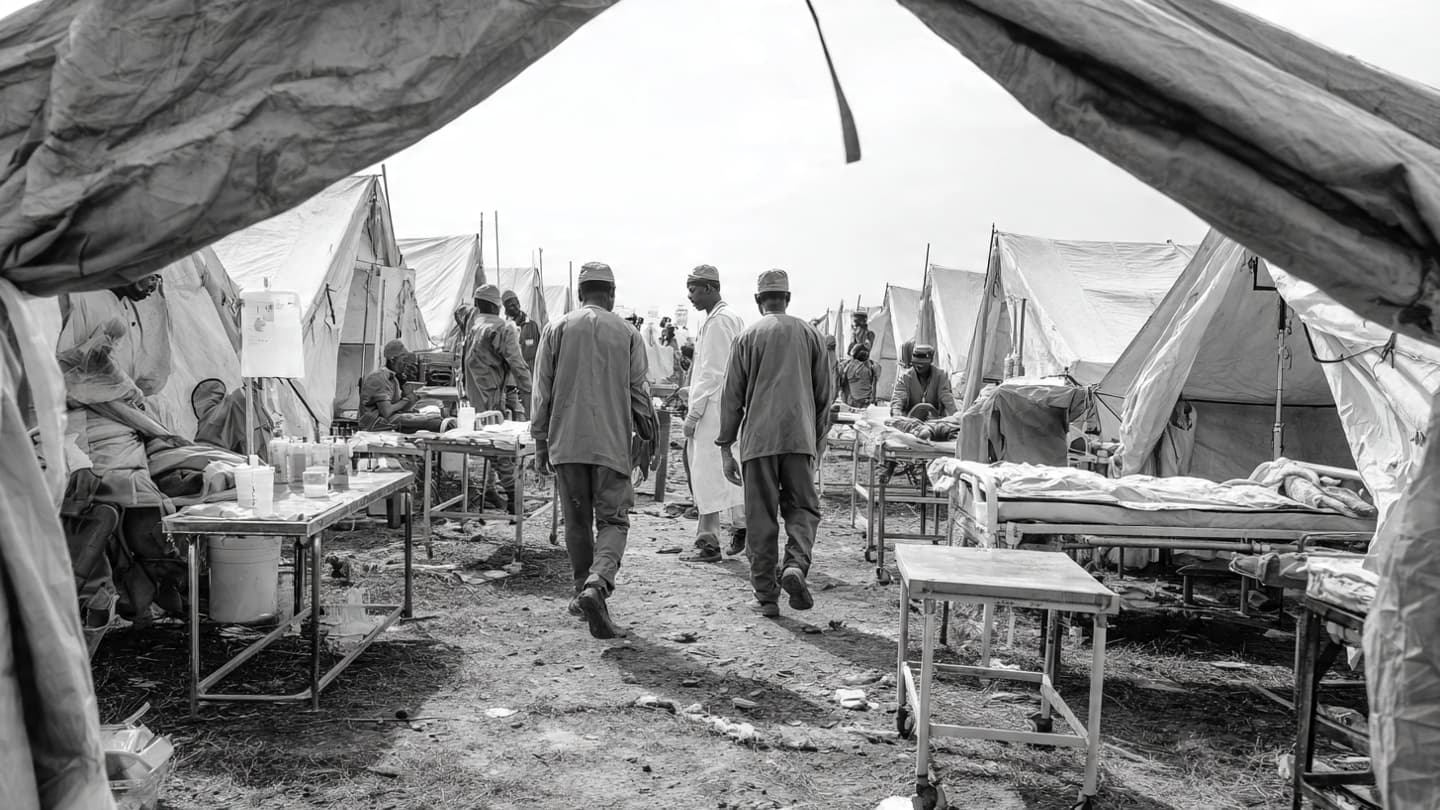
The cholera outbreak in West Kordofan, Sudan, is escalating, with health authorities confirming a troubling rise in fatalities. As the situation develops, local and international organizations are mobilizing to address the public health emergency. The outbreak has emerged amid ongoing conflict and displacement, which have severely strained the region's healthcare infrastructure.
Cholera, a waterborne disease, spreads primarily through contaminated food and water. In West Kordofan, many communities are particularly vulnerable due to disrupted sanitation systems and limited access to healthcare facilities. The combination of these factors has made it increasingly difficult for health officials to contain the outbreak effectively.
In response to the growing crisis, Sudanese health officials have initiated emergency health measures, including the establishment of treatment facilities and the distribution of essential medicines. Humanitarian organizations are also working to improve access to clean water, a critical factor in controlling the spread of cholera. Enhanced disease surveillance is being implemented to monitor the outbreak's progression and identify affected areas swiftly.
The humanitarian landscape in Sudan presents additional challenges for healthcare providers. Ongoing conflict has led to significant population displacement, and insecurity has restricted access to some regions, complicating aid delivery. These obstacles hinder the ability of health workers to respond promptly to the needs of affected communities.
Medical professionals emphasize that timely treatment is crucial in reducing cholera mortality rates. Effective responses include oral rehydration therapy, intravenous fluids, and early medical intervention for severe cases. Public awareness campaigns are also being launched to encourage safe hygiene practices, such as treating water and frequent handwashing. However, implementing these measures is challenging in communities facing shortages of essential resources.
International agencies are calling for increased humanitarian access and support to address the urgent needs of the population. Aid organizations warn that sustained assistance will be necessary to prevent further deterioration of public health conditions in the region. Health authorities stress that coordinated action involving government institutions, humanitarian partners, and local communities will be vital in limiting the outbreak's impact in the weeks ahead.
As the situation continues to evolve, the focus remains on mobilizing resources and ensuring that affected populations receive the necessary care and support to combat this health crisis effectively.
Published by Banx Network. This article is part of the Banx decentralized media programme, powered by the BXE token on the XRP Ledger.




