The waters near the Strait of Hormuz have long carried more than oil. They carry weather, memory, pressure, and the slow mathematics of power. At dawn, the shipping lanes of the Gulf often appear almost motionless from above—thin metallic silhouettes scattered across pale blue water, waiting for permission, timing, or simply calmer tides. For months, many vessels lingered there in uncertainty, suspended between ports and politics, between global demand and regional conflict.
Now, movement has begun again, though carefully and under watchful eyes.
Iranian media reports this week described a quiet but significant shift: Tehran has started allowing certain Chinese vessels to transit through the Strait of Hormuz under what officials described as an Iranian “management protocol” for the waterway. The reports, carried by the semi-official Fars News Agency, emerged against the backdrop of a fragile regional landscape shaped by months of confrontation, restricted navigation, and interrupted energy flows.
The strait itself remains one of the world’s most consequential maritime passages, a narrow corridor through which roughly one-fifth of global oil and natural gas supplies normally move. Since the escalation of conflict earlier this year following U.S. and Israeli strikes on Iran in late February, transit through the channel had slowed dramatically. Tankers gathered near the Gulf like patient shadows, while insurers, shipping companies, and governments recalculated risks in real time.
In that stillness, diplomacy moved differently than ships do—less visibly, but with equal consequence. According to the reports, the latest transit arrangements followed requests from China’s foreign minister and Beijing’s ambassador in Tehran, with Iran framing the decision as part of the countries’ broader strategic partnership. Chinese-linked vessels reportedly coordinated passage with Iranian authorities and naval supervision before crossing the corridor.
The timing has drawn attention well beyond the Gulf. During a state visit to China, U.S. President Donald Trump and Chinese President Xi Jinping publicly agreed that the Strait of Hormuz should remain open for the uninterrupted flow of energy. Markets listened closely. Oil prices, which had climbed sharply during months of disruption, eased slightly after reports that vessels were once again moving through the channel.
Yet even as tankers resume their passage, the atmosphere surrounding the strait remains uncertain. Analysts note that reopening a waterway is not the same as restoring confidence. Cargo traffic remains far below ordinary levels, and many shipping operators continue to avoid the route altogether. Some vessels reportedly traveled using altered shipping data or under heavily monitored “safe corridors,” reminders that commerce in contested waters rarely returns to normal all at once.
For countries dependent on Gulf energy supplies, the Strait of Hormuz has always functioned like a narrow hinge holding together distant economies. In cities thousands of miles away—from refinery ports in East Asia to financial centers in Europe—the consequences of movement or stillness in these waters can ripple outward within hours. A tanker delayed near Oman may eventually shape fuel prices in Jakarta, factory costs in Shanghai, or shipping insurance calculations in London.
And so the images returning from the Gulf this week feel less triumphant than cautious. Cargo ships continue forward beneath surveillance aircraft and naval patrols, their routes traced carefully through waters that only recently stood at the center of military escalation. Above them, the heat haze settles over the sea in layers, softening the outlines of vessels that move slowly toward open ocean.
The reopening, even partial, does not erase the tensions that brought the region to this point. But it suggests a familiar reality of maritime history: even during periods of confrontation, the world continues searching for narrow passages through which trade, necessity, and diplomacy can still move together.
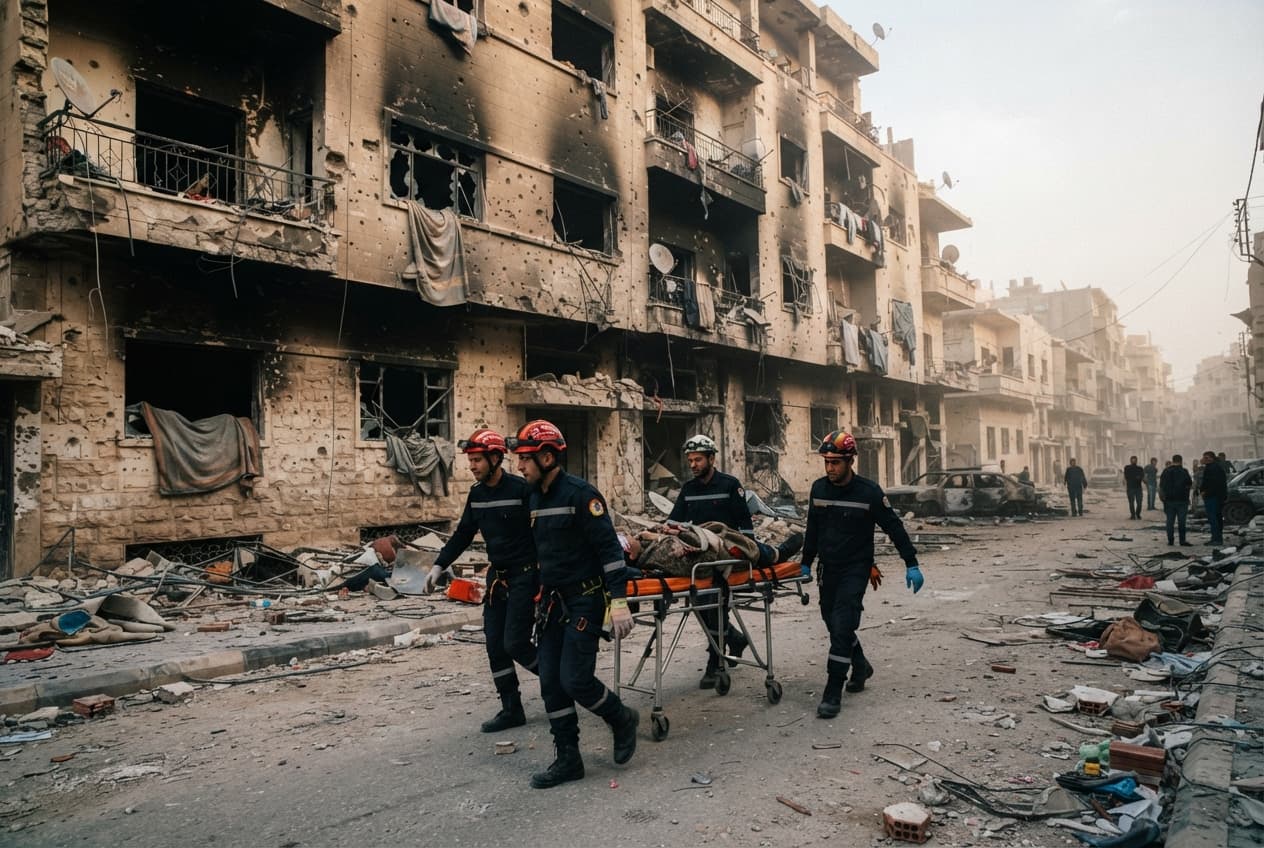
AI Image Disclaimer Illustrations were generated using AI and are intended as visual interpretations rather than authentic photographs.
Sources Reuters Al Jazeera Anadolu Agency Fars News Agency The Straits Times
Published by Banx Network. This article is part of the Banx decentralized media programme, powered by the BXE token on the XRP Ledger.