
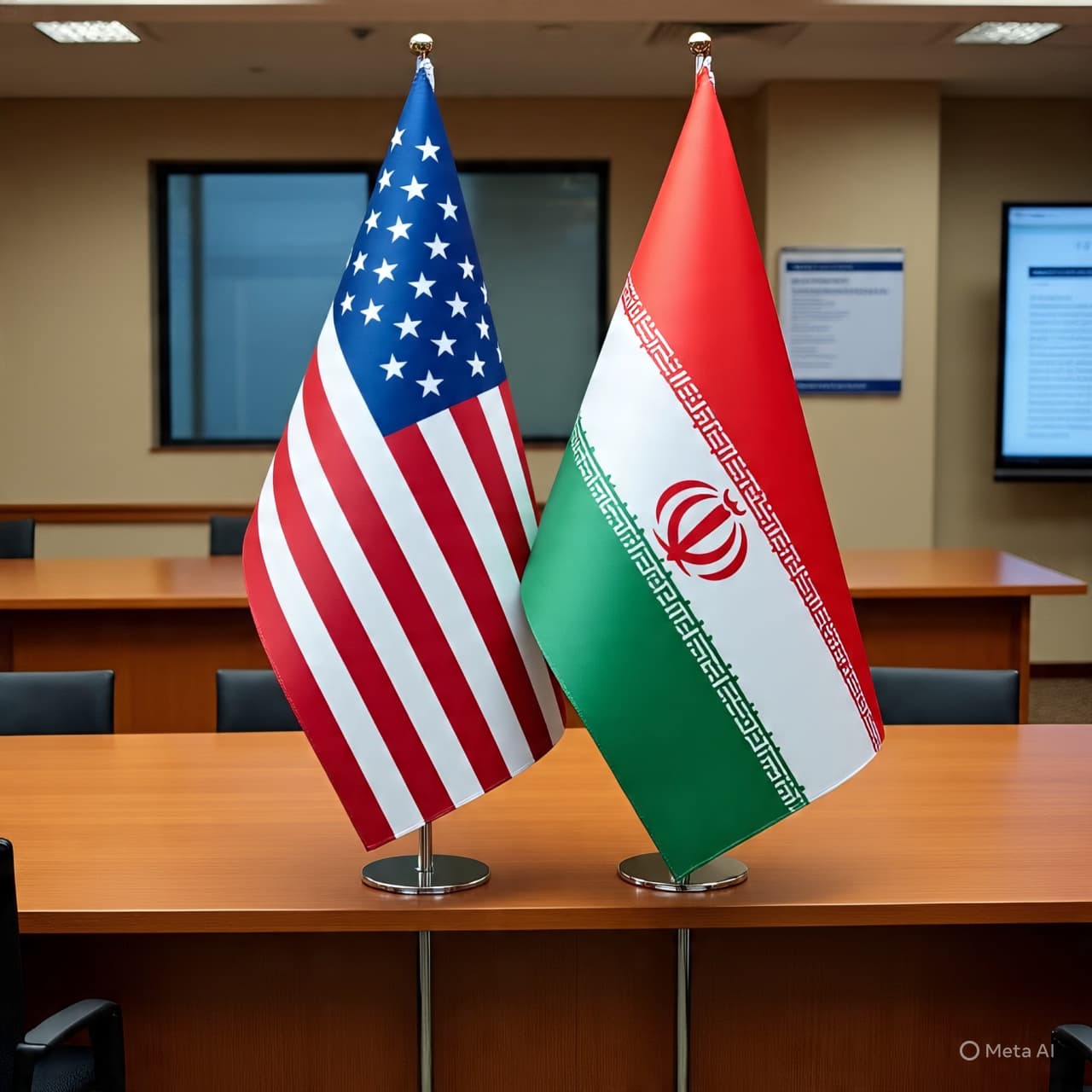
Key Highlights
- Venue Change:U.S. and Iran to hold nuclear talks in Oman.
- Diplomatic Shift:Discussions moved from Turkey to Muscat.
- Ongoing Tensions:Negotiations reflect broader U.S.-Iran relations.
The landscape of international diplomacy often shifts unexpectedly, revealing new opportunities for dialogue even amid rising tensions. This week, as negotiations between the United States and Iran appeared to be faltering, a significant development emerged: the decision to relocate the talks from Turkey to Oman. This change, welcomed by both parties, underscores the importance of patience and strategic positioning in diplomatic engagements.
The discussions, primarily focused on Iran's nuclear program, were initially set to take place in Turkey with a broader coalition of Arab partners. However, Iran's preference for Muscat, Oman, a nation known for its historical role as a mediator in U.S.-Iran relations, prompted a reconsideration by U.S. officials. The White House's eventual agreement to the venue change reflects a recognition of the need to maintain dialogue, especially under the pressure of regional allies advocating for continued engagement.
Oman’s capital, Muscat, has served as a backdrop for previous indirect negotiations between the two nations, providing a neutral ground where officials can converse without the immediate pressures of public scrutiny. This setting is particularly significant given the delicate nature of U.S.-Iran relations, which have been marked by decades of mistrust and conflict. The choice of Oman as a venue is not merely geographical; it symbolizes a return to a familiar diplomatic rhythm that could facilitate more productive discussions.
Iran's insistence on holding talks in Oman reflects its desire to build on past dialogues rather than initiate discussions in a new environment that might complicate the core issues at stake. For Iranian negotiators, the familiarity of the venue could foster a sense of stability and focus on the nuclear questions that dominate the agenda. This approach is crucial as both sides prepare to engage in discussions that could have far-reaching implications for regional security.
For the United States, agreeing to the venue change signals a commitment to diplomacy, even amidst a backdrop of military readiness and stern public statements. Senior U.S. officials have reiterated their intention to pursue dialogue with Iran, indicating that military options remain on the table but are not the sole focus. This dual-track approach reflects a cautious yet committed stance towards negotiation, emphasizing the importance of dialogue in resolving complex issues.
The backdrop to these negotiations is fraught with challenges, including regional instability and proxy conflicts that have historically strained U.S.-Iran relations. As both nations prepare for talks in Muscat, the substantive issues at hand remain significant. Iran seeks to concentrate on its nuclear program, while the U.S. has indicated that any agreement must also encompass broader regional security concerns. Navigating these priorities will require patience, careful attention to detail, and a willingness to engage in constructive dialogue.
As the diplomatic teams finalize arrangements in Muscat, the upcoming negotiations serve as a reminder of the potential for dialogue to bridge divides. The decision to return to the negotiating table illustrates a shared understanding that, despite deep-seated disagreements, there exists a pathway for conversation and potential resolution. In the world of diplomacy, every step forward, no matter how small, can contribute to a larger narrative of peace and cooperation.
Published by Banx Network. This article is part of the Banx decentralized media programme, powered by the BXE token on the XRP Ledger.



