
Key Highlights
- Treaty Signed:Australia and Fiji have ratified a bilateral agreement.
- Focus Areas:The treaty emphasizes climate resilience and disaster response.
- Regional Impact:Enhanced cooperation aims to streamline emergency responses across the Pacific.
The distance between the Australian coast and the Fijian archipelago is measured in miles, but today it is bridged by a shared recognition of the water that flows between them. The recent ratification of the Pacific Resilience Treaty marks a significant moment in regional diplomacy, where the rustle of paper during the signing ceremony echoes the sound of the wind through the mangroves. This treaty is not merely a legal formality; it represents a commitment to face the uncertainties of climate change together.
The Pacific Resilience Treaty arrives like a lighthouse beam cutting through a gathering fog. It speaks of a future where the strength of one nation is bolstered by the proximity of the other, creating a tapestry of mutual aid woven from the necessity of survival. As sea levels continue their slow, upward climb, this alliance becomes a vital bulwark against the encroaching deep, ensuring that both nations can withstand the challenges posed by climate change.
In the quiet corridors of Suva, the atmosphere is one of somber determination. The alignment of Australia and Fiji reflects a recognition that the challenges of the modern era cannot be faced in isolation. The motion of diplomacy here is slow and deliberate, much like the growth of the reefs that protect the islands from the fury of the open ocean. This treaty provides a framework for humanitarian cooperation and disaster response, allowing both nations to bend without breaking in the face of adversity.
The narrative of this partnership is written in the language of shared history and common destiny. As the documents are finalized, there is a palpable shift in regional energy—a collective exhale from advocates who have long called for a unified approach to the Pacific’s unique vulnerabilities. This treaty is a quiet victory for the art of the possible in an era of daunting environmental shifts, signaling a new chapter in regional collaboration.
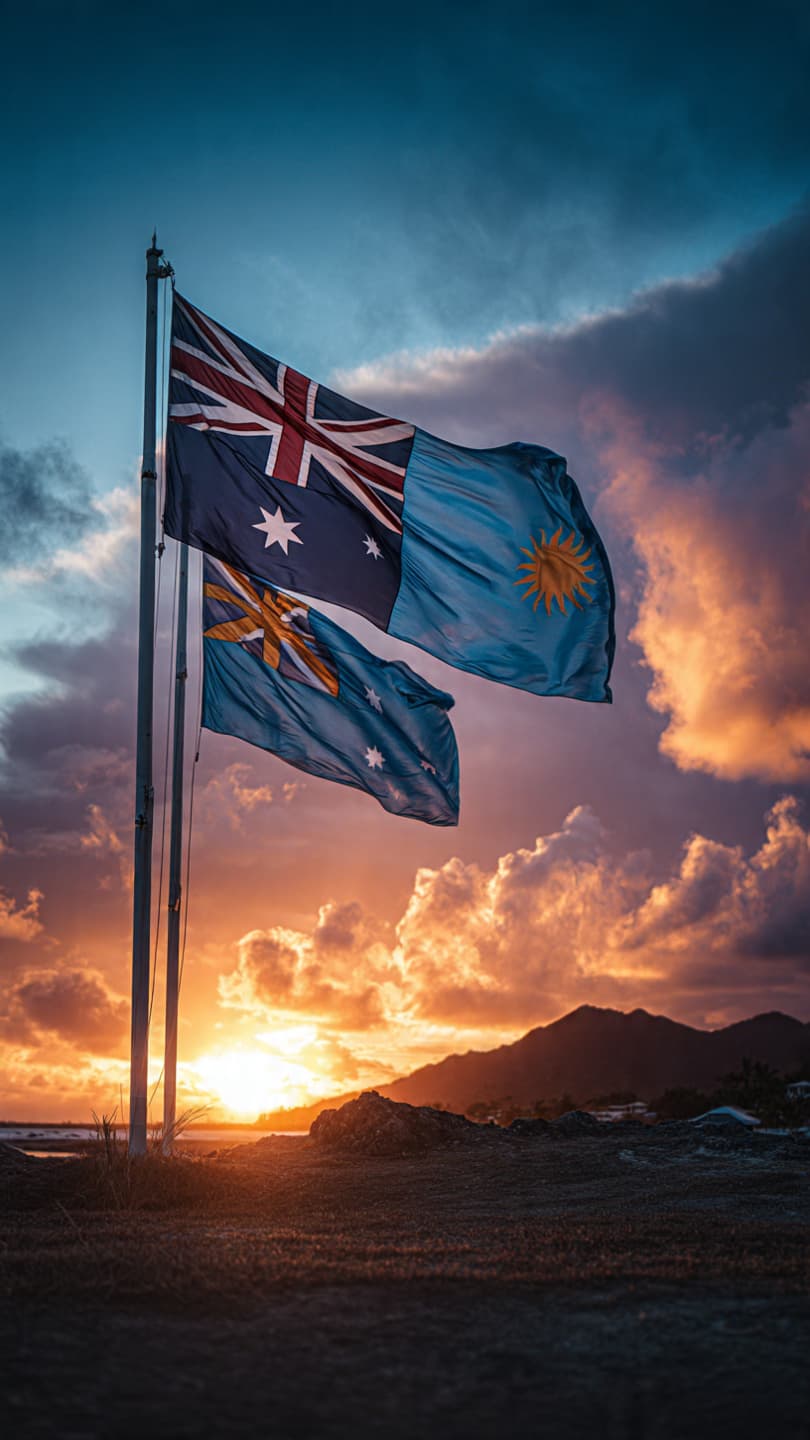
As the sun sets over the Suva harbor, casting a golden hue over naval vessels and fishing boats alike, the reality of the treaty begins to settle into the landscape. It is a grounded, practical agreement that carries an atmospheric weight, speaking to the soul of the region. The bond between Australia and Fiji is, at its heart, a testament to the endurance of community in the face of change.
There is a certain poetic symmetry in the way these neighbors have chosen to stand together. The treaty does not demand a change in identity but rather a deepening of it—a commitment to be the keepers of the Pacific’s peace and the architects of its recovery. The air feels lighter with the knowledge that a plan is finally in place to meet the coming storms.
With the formal ratification process complete, Australia and Fiji have officially entered into a bilateral agreement focused on climate resilience and humanitarian disaster response. The treaty streamlines the movement of personnel and equipment during emergencies, ensuring a more efficient and coordinated reaction to natural disasters across the Pacific region. This agreement not only enhances the capabilities of both nations but also sets a precedent for future collaborations in addressing climate-related challenges.
Published by Banx Network. This article is part of the Banx decentralized media programme, powered by the BXE token on the XRP Ledger.



