
Key Highlights
- Labour Party suffered significant losses in recent local elections.
- Prime Minister Keir Starmer emphasizes resilience amid public dissatisfaction.
- Voter sentiment reflects growing frustration over public services and economic issues.
The morning after an election often arrives more quietly than expected. Streets reopen with ordinary rhythms — buses sighing at intersections, café windows fogging with early coffee, newspaper pages folded beneath tired hands. Yet beneath the familiar movement of daily life, politics leaves traces that linger like weather after rain. Across parts of England, local election results settled slowly into public conversation this week, carrying with them a message neither triumphant nor entirely surprising for Britain’s governing Labour Party.
For Prime Minister Keir Starmer, the losses marked an uneasy moment in a premiership still young enough to be measured in months rather than years. Labour surrendered control of several local councils and mayoral contests, while opposition parties and smaller challengers gained ground in communities where frustration over public services, immigration, housing pressures, and economic uncertainty has continued to simmer beneath everyday life.
Standing before reporters after the results, Starmer insisted he would continue “fighting on” as prime minister, framing the setbacks not as a collapse of public trust, but as a reminder of the difficult inheritance facing his government. His tone remained measured, almost procedural, as though acknowledging that modern political authority often survives less through moments of celebration than through endurance under pressure.
The local elections unfolded against a complicated national backdrop. Labour entered government after years of Conservative rule, promising stability following a decade shaped by Brexit divisions, leadership turmoil, inflation, and strained public institutions. Yet governing has proven different from campaigning. Expectations arrived quickly, while improvements in living standards and public services have moved more slowly through the machinery of the state.
In towns across England, those tensions appeared in small but revealing ways. Voters spoke of delayed medical appointments, rising housing costs, overcrowded infrastructure, and a broader sense that political promises — regardless of party — rarely travel fast enough into ordinary life. Some communities turned toward the Liberal Democrats or Green Party. Others drifted toward Reform UK, whose growing presence reflected continuing dissatisfaction among portions of the electorate seeking sharper answers to immigration and economic concerns.
The electoral map itself seemed to tell a quieter story about fragmentation. British politics, once dominated almost entirely by two towering parties, now moves through a more fractured landscape where loyalty shifts easily and frustration travels quickly. Local elections often function less as declarations of ideology than as emotional weather reports — temporary but revealing glimpses into public mood.
For Starmer, the symbolism matters as much as the statistics. Labour’s return to power had been built partly on the image of competence and calm restoration after years of turbulence. Heavy local losses risk weakening that atmosphere, especially as opposition figures begin shaping narratives around disappointment and unmet expectations. Within Westminster, murmurs of concern have already emerged among some Labour lawmakers anxious about maintaining momentum before future national contests.
Yet politics in Britain has increasingly become an exercise in managing instability rather than avoiding it altogether. Governments rise into office carrying promises of renewal only to discover that economic strain, global uncertainty, and public impatience leave little room for grace periods. The electorate itself appears restless, moving between parties with less attachment than in earlier decades.
Still, Starmer’s refusal to retreat reflects another reality of modern leadership: resilience often matters more than certainty. His allies argue that local elections traditionally punish governing parties, especially during periods of economic adjustment. They point to broader structural challenges — inflationary aftershocks, global security tensions, stretched public finances — as forces no administration can quickly resolve. Critics, meanwhile, see the results as evidence that Labour’s message has begun to lose clarity among voters seeking more immediate change.
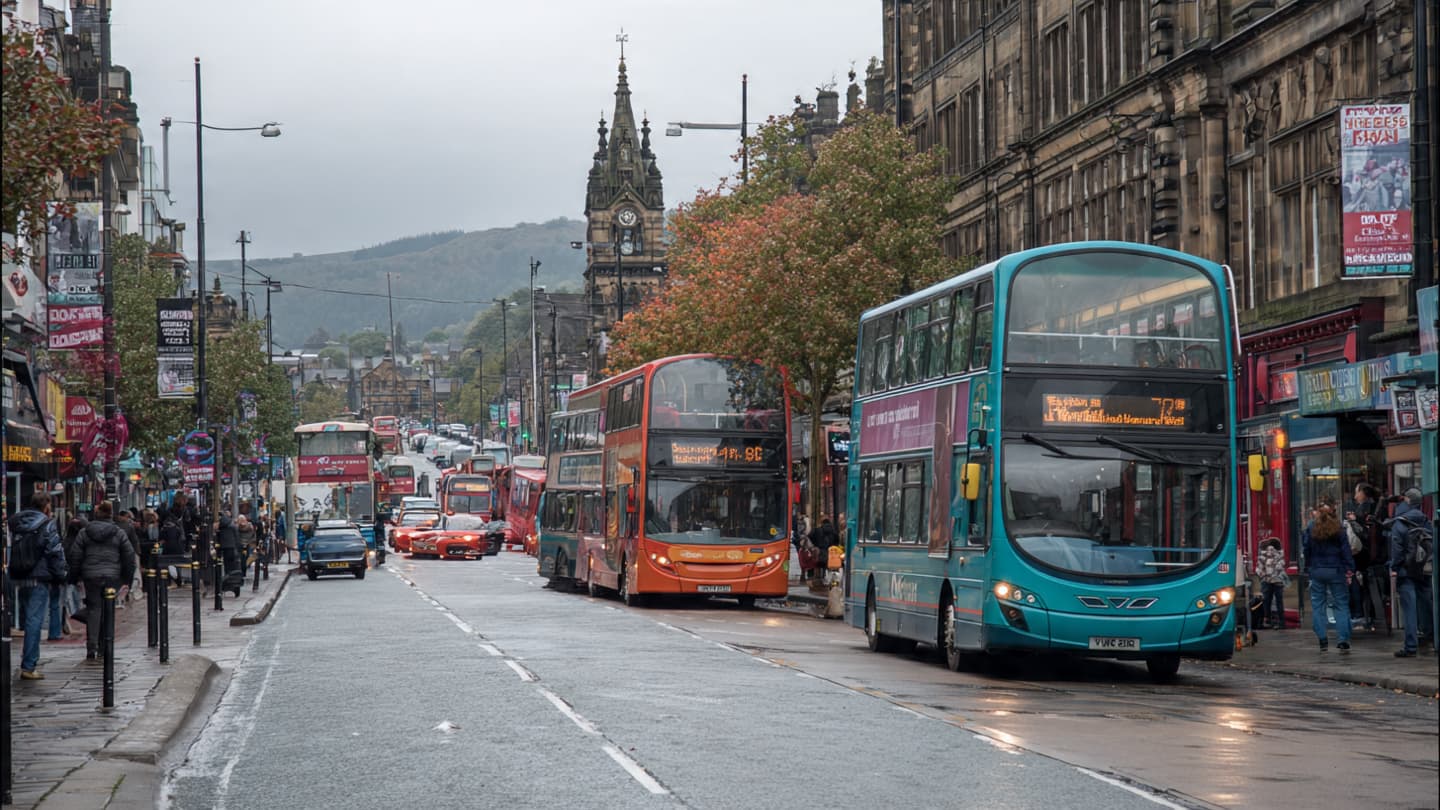
Outside Westminster, however, politics continues alongside ordinary life. Rain falls on northern high streets. Trains move toward London each morning carrying workers who may barely notice the political shifts around them, yet their sentiments echo loudly in the ballot box.
Published by Banx Network. This article is part of the Banx decentralized media programme, powered by the BXE token on the XRP Ledger.



