
Key Highlights
- Pakistan conducted airstrikes targeting militant hideouts along the Afghanistan border.
- Afghan authorities reported civilian casualties, including women and children.
- Tensions escalate as both nations exchange formal protests and warnings.
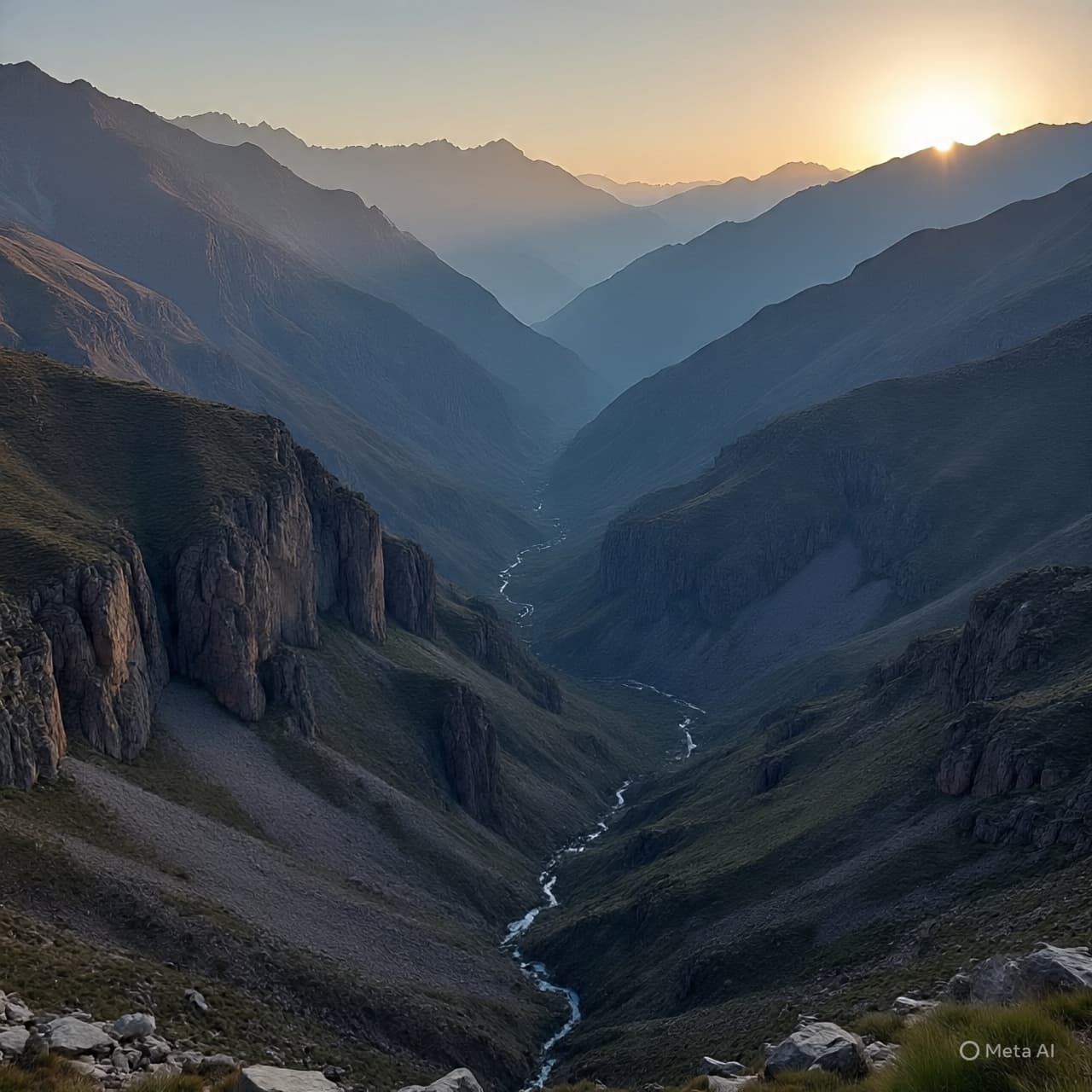
In the highlands where the sun first brushes the rugged ridges that crisscross the Pakistan–Afghanistan frontier, morning light often comes quietly, as if reluctant to disturb a land long accustomed to both stillness and strain. Yet on a recent night, that tranquility was shattered by the distant roar of engines and the flash of fire across the horizon — a stark reminder of how even the quietest corners of the world can be swept up in forces beyond their control.
From Islamabad came a clear and determined message: the Pakistani military had carried out airstrikes along the shared border, targeting what its leaders described as militant hideouts believed to be linked to groups that had recently struck within Pakistan itself. In a statement delivered with the measured cadence of official address, authorities reported that at least 70 militants were killed in the operations, with state media later suggesting the toll might have reached 80.
For generations, these borderlands have been threaded with paths walked by shepherds, traders, and families whose lives turn not on lines drawn on maps, but on seasonal changes and shared histories. However, in recent months and years, those paths have been shadowed by a different kind of passage — militants, security forces, accusations, and counter-accusations that ripple across valleys and villages alike.
Pakistan’s officials framed the strikes as a necessary response to a wave of militant violence, including deadly suicide attacks on its own soil that have claimed the lives of soldiers and civilians. By their account, these campaigns were intended to protect the lives and property of Pakistani citizens, seeking out camps and hideouts used by insurgent groups.
Across the border, however, the view was less sanguine. Afghan authorities — under the Taliban administration — condemned the strikes as violations of sovereignty and reported that civilian homes, a religious seminary, and other non-combatant structures had been struck, resulting in at least 18 fatalities, including women and children, with many others wounded.
Villagers in parts of Nangarhar and Paktika provinces spoke in muted tones of loss and disbelief as they gathered around shattered walls and collapsed roofs, digging through rubble with shovels and heavy equipment in the fading light. Their voices, soft yet steady, carried the weight of stories too often repeated in this region where the line between domestic life and geopolitical conflict is perilously thin.
In Kabul, officials summoned Pakistan’s ambassador, delivering a formal protest and warning of a “calculated response” at a time they deemed appropriate, affirming their duty to protect their land and people. This diplomatic maneuver underscores the fragile nature of relations between the two nations, which have been marred by distrust and historical grievances.
While Islamabad insists its operations were “intelligence-based” and targeted at militant leadership, the broader backdrop remains one of distrust, punctuated by previous clashes, interrupted ceasefires, and repeated efforts at mediation. The fragile truce that once held promise now feels like a distant echo to neighbors who see each dawn with both hope and caution.
In places where children once played in open courtyards and families tended flocks amid the whisper of wind through tall grass, the aftertaste of conflict lingers, reminding observers that peace is not merely the absence of violence, but the presence of understanding and trust — elements still scarce along these ancient borders.
Published by Banx Network. This article is part of the Banx decentralized media programme, powered by the BXE token on the XRP Ledger.



