The tumor suppressor p53 has been called the guardian of the genome. It watches for damage, halts cell division when something goes wrong, and triggers repair or self-destruction when the damage cannot be fixed. When p53 is lost or mutated, that guardianship fails, and cells that should have been stopped begin to proliferate. But how exactly does that proliferation happen? A new study from researchers at the University of California, Irvine, published in Science, reveals a mechanism that is both elegant and unsettling: mutant cells do not simply grow faster. They actively eliminate their normal neighbors.
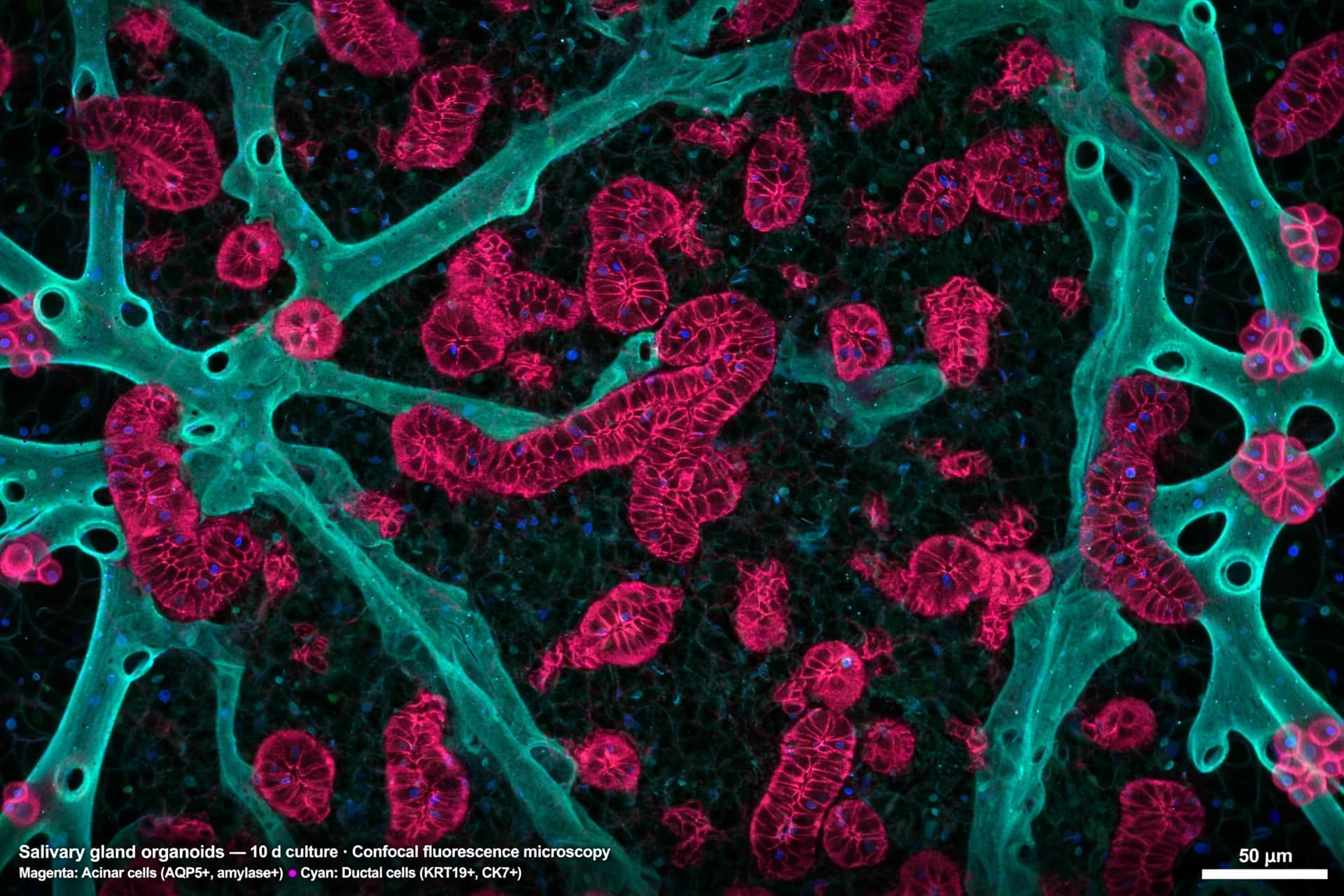
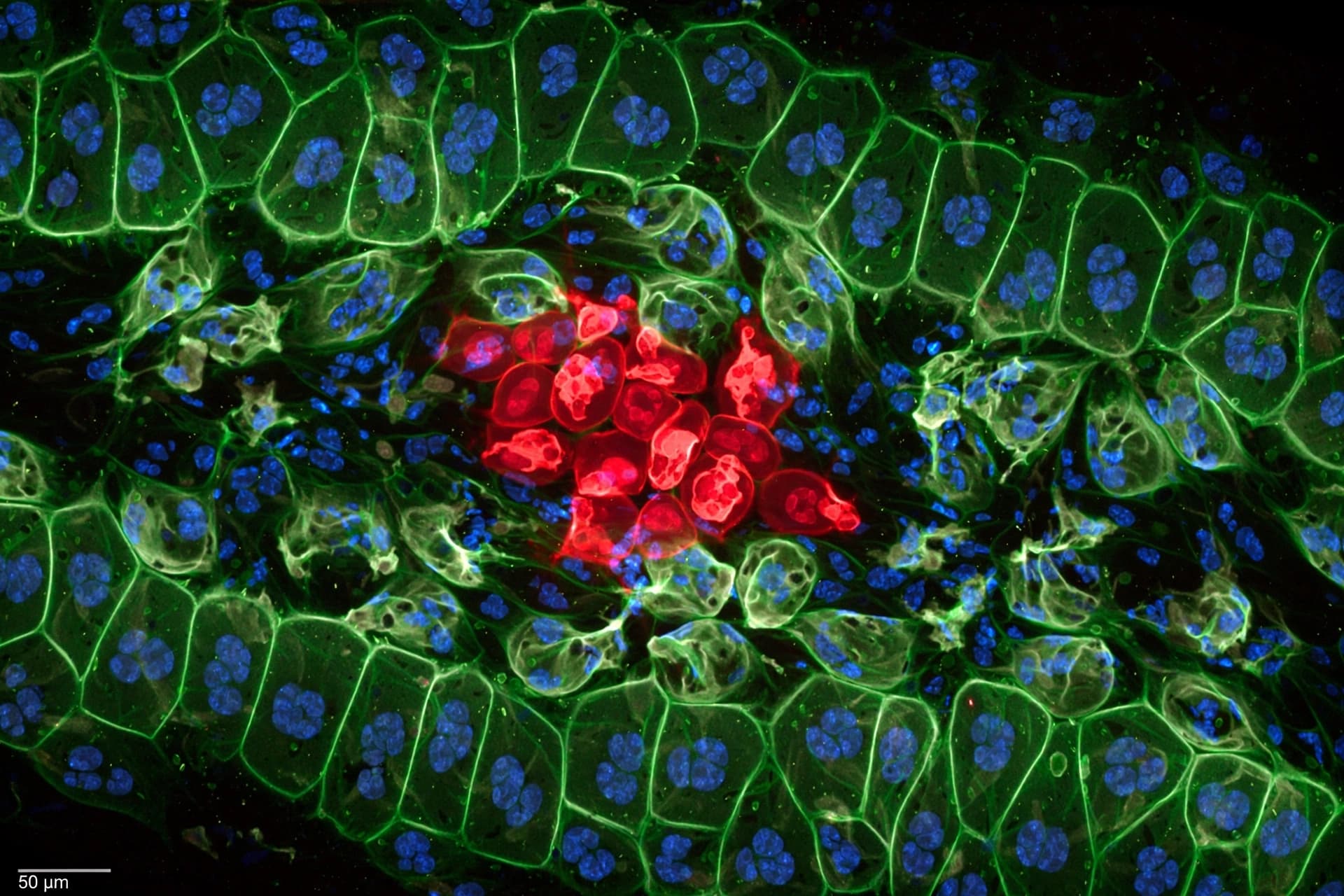
The study examined epithelial tissues, the sheets of cells that line the body‘s surfaces and cavities . When a cell loses p53, it does not immediately become a tumor. Instead, it begins to behave differently within the tissue community. The researchers found that p53-deficient cells generate a signaling gradient—a chemical signal that extends outward and affects surrounding cells . This gradient has a specific effect: it triggers apoptosis, or programmed cell death, in neighboring cells that still have functional p53.
In other words, the mutant cells do not win by outgrowing their neighbors. They win by eliminating them. The wild-type, p53-intact cells that surround the mutant clone are driven to self-destruct, creating space that the mutant cells then fill. The process is one of active competition, not passive expansion. The mutant cells are, in effect, creating a territory for themselves by removing the inhabitants.
This mechanism has been observed in the developing brain as well. Research on neural progenitor cells has shown that mosaic p53 deficiency induces preferential apoptosis of wild-type neighbors, conferring a sustainable competitive advantage on the mutant cells . In that context, p53 loss allows cells to behave as “winner” cells in a process of cell competition that occurs even under normal physiological conditions . The studies together suggest that p53-mediated cell competition is a fundamental mechanism operating across different tissues.
The p53 gene is one of the most frequently mutated genes in human cancers. Understanding how p53-deficient cells gain an advantage over their normal counterparts is therefore central to understanding how tumors begin. The new findings suggest that early in tumor development, mutant clones may already be reshaping their local environment by inducing the death of surrounding cells. This process could create a niche that supports the expansion of the mutant population.
The research also raises questions about the role of cell competition in normal tissue homeostasis. The same mechanism that drives mutant expansion in cancer may also play a role in tissue maintenance and repair under ordinary conditions . Cell competition, in this view, is not inherently pathological. It is a normal process that becomes dangerous when the “winner” cells carry mutations that allow them to keep winning.
The study provides a mechanistic link between a single genetic alteration—p53 loss—and a specific behavioral change in cells that drives their expansion. It is a reminder that cancer is not simply a disease of uncontrolled growth. It is a disease of ecological disruption within tissues, where cells that have lost their normal restraints learn to exploit the rules of competition to their own advantage. The guardian has fallen, and its neighbors are paying the price.
AI Image Disclaimer: All visual content in this article was created using AI tools and is for editorial illustration only.
Sources: Science, University of California Irvine, Cell, Developmental Cell
Published by Banx Network. This article is part of the Banx decentralized media programme, powered by the BXE token on the XRP Ledger.