At dusk, when the first stars begin their soft chorus and the night sky settles like an old friend over the world, there is an unspoken rhythm to the arrival of dark. To generations of sky watchers, this quiet balance between light and shadow has been a source of wonder and solace. But in the stretch between Earth and heavens above, new ideas are unfolding — ambitious schemes to populate near‑Earth space with machines of great ingenuity, and with them come conversations about what our shared nightscape means.
In early March, the Center for Space Environmentalism, a collective of researchers, advocates, and citizens who care about the stewardship of space around our planet, submitted filings to the U.S. Federal Communications Commission (FCC) raising concerns about two proposed ventures that would, if built, place large numbers of satellites into Earth’s orbital environment. Their concern flows from a sense that the space above, like any other environment, carries intrinsic value that deserves thoughtful consideration rather than unexamined exploitation.
Among the projects drawing scrutiny is a proposal by SpaceX to deploy up to one million orbital data center satellites — envisioned as computing infrastructure powered by uninterrupted solar energy in sun‑synchronous orbit. Such data centers, proponents argue, could make use of the abundant sunlight beyond Earth’s atmosphere to process vast amounts of data, particularly for artificial intelligence applications, without the land, cooling, and energy constraints that terrestrial facilities face. Space‑based data centers are not a new idea in concept: researchers have discussed the potential advantages of processing at orbital altitudes where solar irradiance is stronger and unhindered by clouds or weather. But translating that concept into a constellation of staggering scale raises questions about feasibility and impact.
The environmental group cautions that a constellation of this magnitude, continuously launched and re‑entered, could create an unprecedented cycle of aerospace activity with accompanying increases in rocket emissions of soot and water vapor into the stratosphere — effects that ripple outward into atmospheric chemistry and potentially into Earth’s climate. In addition, the sheer number of satellites, each reflecting sunlight, could overwhelm the natural night sky, diminishing the darkness that underlies both scientific observation and cultural appreciation of the cosmos.
Alongside the data center plans comes a separate proposal from Reflect Orbital — a startup seeking to deploy a fleet of solar reflectors designed to capture sunlight in orbit and redirect it onto Earth’s surface at times when daylight naturally wanes. The idea of “sunlight‑as‑a‑service” evokes images of engineered dawns and extended twilight, but environmentalists see potential costs alongside the promise. Filling the skies with mirrors that could shine light many times brighter than the full Moon may alter not just the visual tapestry above but also the rhythms of nocturnal life on Earth and the ability of astronomers to peer into faint cosmic depths. Critics worry these interventions would reconfigure the night in ways both subtle and pervasive.
While proponents of these technologies point to innovation and technological progress — suggesting solutions to energy and computational constraints — the precautionary voices urge that the space environment merits thoughtful protection. Their filings urge regulators to require rigorous environmental reviews and to weigh not only economic and functional metrics, but also the broader consequences for science, culture, and the shared experience of the night sky. Many observers of the cosmos today, from professional astronomers to amateur stargazers, see in the dark firmament a heritage worth preserving against unbridled orbital development.
In regulatory terms, the FCC routinely evaluates satellite applications for spectrum use and orbital debris mitigations but does not currently mandate broad environmental impact assessments for such ventures. The filings by the Center for Space Environmentalism, along with petitions from astronomical societies, signal a growing desire to see that framework reconsidered against the backdrop of rapidly increasing orbital activity. As plans for orbital data centers and solar reflectors evolve, the national discourse now encompasses not just what is technologically possible, but what is desirable for Earth’s night sky and near‑Earth environment.
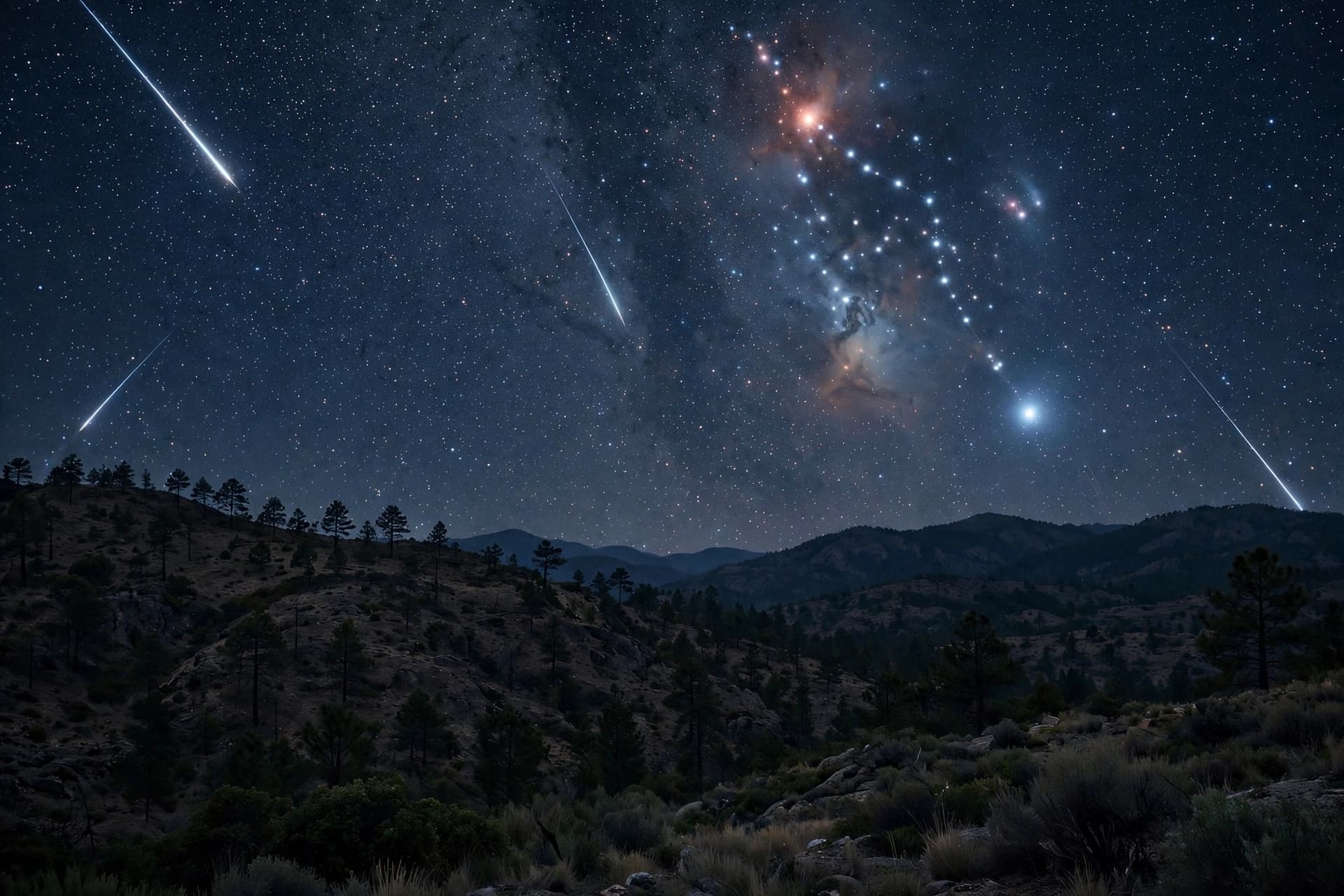
AI Image Disclaimer: Visuals are AI‑generated and serve as conceptual representations.
Sources: Inside Outer Space / Leonard David, Space.com astronomical community reporting.
Published by Banx Network. This article is part of the Banx decentralized media programme, powered by the BXE token on the XRP Ledger.