In the slow unfolding of geopolitics, advantage is rarely claimed in a single moment. It gathers instead in quiet alignments, in conversations held across distance, in the careful positioning of words and intentions. From Beijing, such positioning often takes shape not in sharp declarations, but in the measured calibration of relationships that extend far beyond any single conflict.
As tensions evolve in the Middle East, China appears to be navigating a path that keeps multiple channels open at once. Its engagement with Iran continues through economic and diplomatic ties, while its approach to the United States—particularly in relation to Donald Trump—reflects a parallel effort to manage competition without closing the door to dialogue.
This dual approach is not new, but it has taken on renewed significance as regional dynamics shift. Iran remains a key partner for China in areas such as energy and infrastructure, linked through long-term agreements and broader initiatives like the Belt and Road. At the same time, China’s relationship with the United States carries its own complexity, shaped by trade, technology, and strategic rivalry. Navigating both relationships simultaneously requires a form of balance—one that seeks opportunity without overt alignment.
In the context of ongoing conflict and uncertainty, this balancing act becomes more visible. Analysts suggest that China’s strategy is less about choosing sides and more about preserving flexibility. By maintaining ties with Iran while keeping communication open with Washington, Beijing positions itself as both participant and observer, able to respond as circumstances evolve.
Diplomacy, in this sense, becomes a layered process. Official statements emphasize stability, dialogue, and the avoidance of escalation, while underlying actions reflect calculated engagement. China has, at times, presented itself as a potential mediator in regional disputes, drawing on its relationships to encourage negotiation. Whether such efforts translate into tangible outcomes remains uncertain, but the posture itself carries significance.
For Iran, the relationship offers economic partnership and a degree of international support amid pressures from Western policies. For the United States, interactions with China continue within a broader framework of competition, where cooperation on specific issues coexists with deeper strategic concerns. The interplay between these relationships creates a space where influence is not fixed, but continually shaped.
The evolving situation in the Middle East adds further complexity. As conflict dynamics shift, external actors reassess their roles, seeking to protect interests while avoiding deeper entanglement. China’s approach appears to reflect this caution, emphasizing continuity and adaptability rather than decisive intervention.
Beyond the immediate context, the pattern suggests a broader vision of engagement—one in which relationships are maintained across lines of tension, allowing for movement even when positions differ. It is a strategy that relies on patience and timing, on the ability to remain present without becoming fully committed.
As events continue to unfold, the outcomes of this approach will become clearer. For now, China’s position remains one of careful navigation, balancing connections that do not always align, yet coexist within the same strategic horizon.
In clear terms, China is seeking to maintain and leverage relationships with both Iran and the United States as regional conflict evolves, positioning itself to preserve influence and flexibility amid shifting geopolitical dynamics.
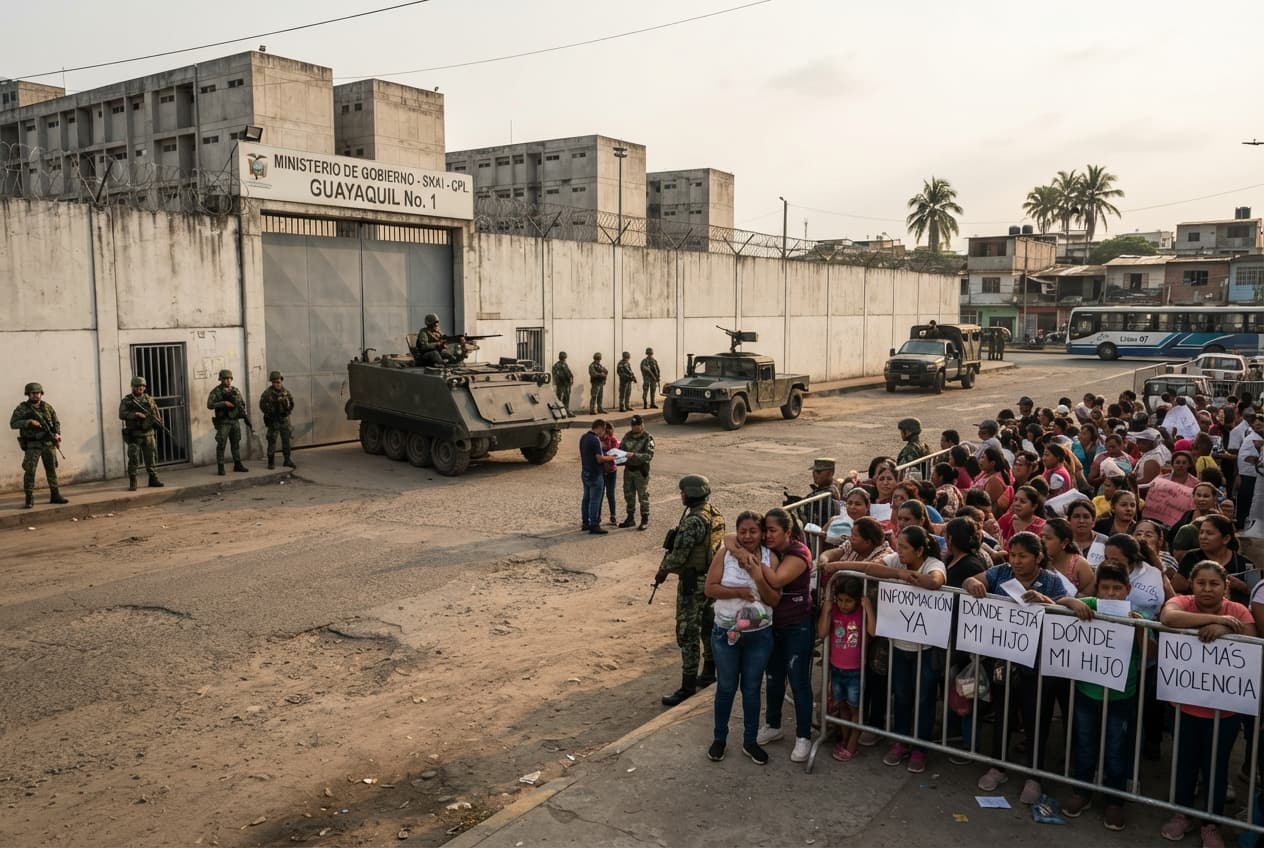
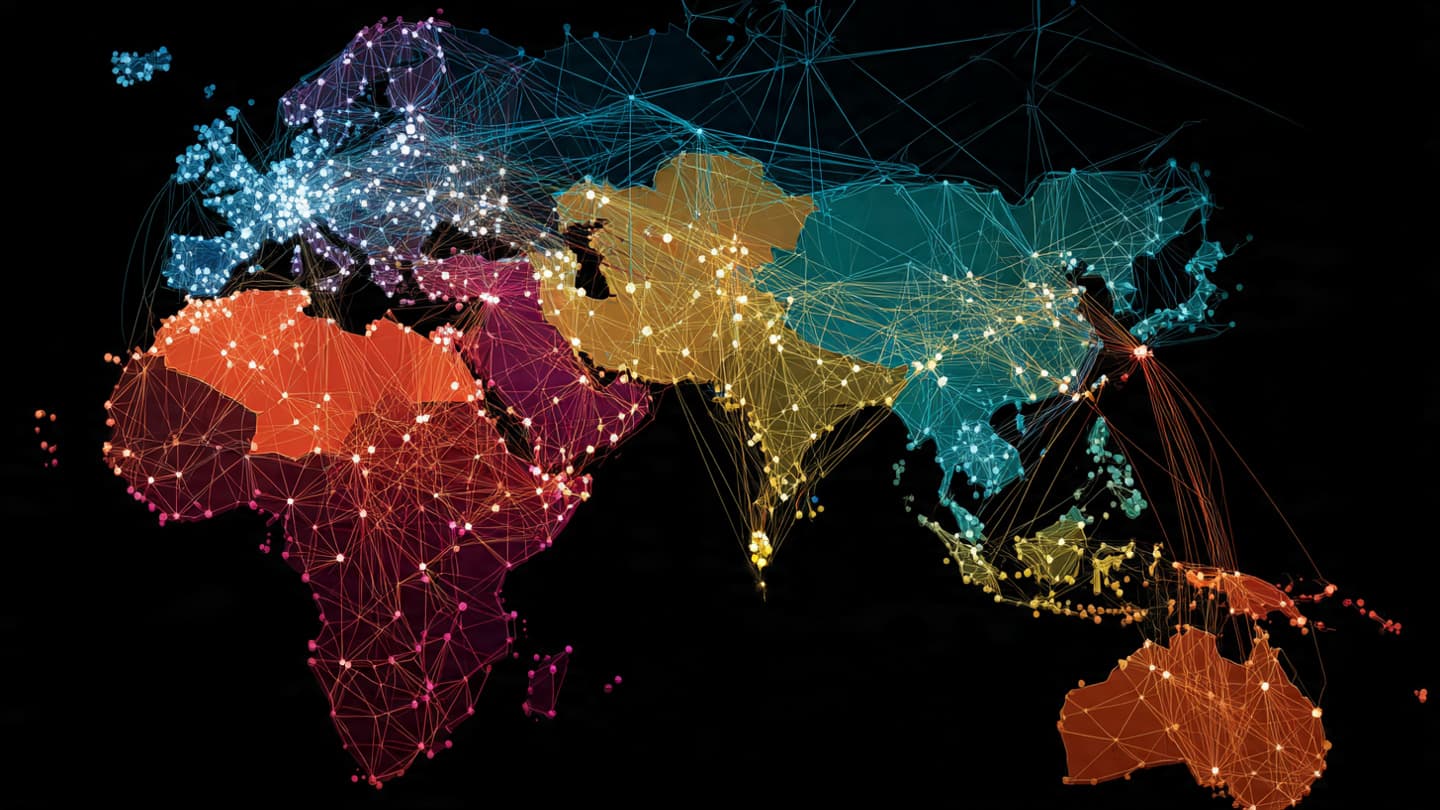
AI Image Disclaimer Illustrations were created using AI tools and are not real photographs.
Sources Reuters BBC News Financial Times The New York Times Al Jazeera
Published by Banx Network. This article is part of the Banx decentralized media programme, powered by the BXE token on the XRP Ledger.