
Key Highlights
- Supreme Court Case:The Court is reviewing the termination of Temporary Protected Status (TPS) for Haitians and Syrians.
- Affected Individuals:Approximately 350,000 individuals are impacted by this decision.
- Legal Implications:The case examines the balance of executive power and individual rights under the Immigration and Nationality Act.
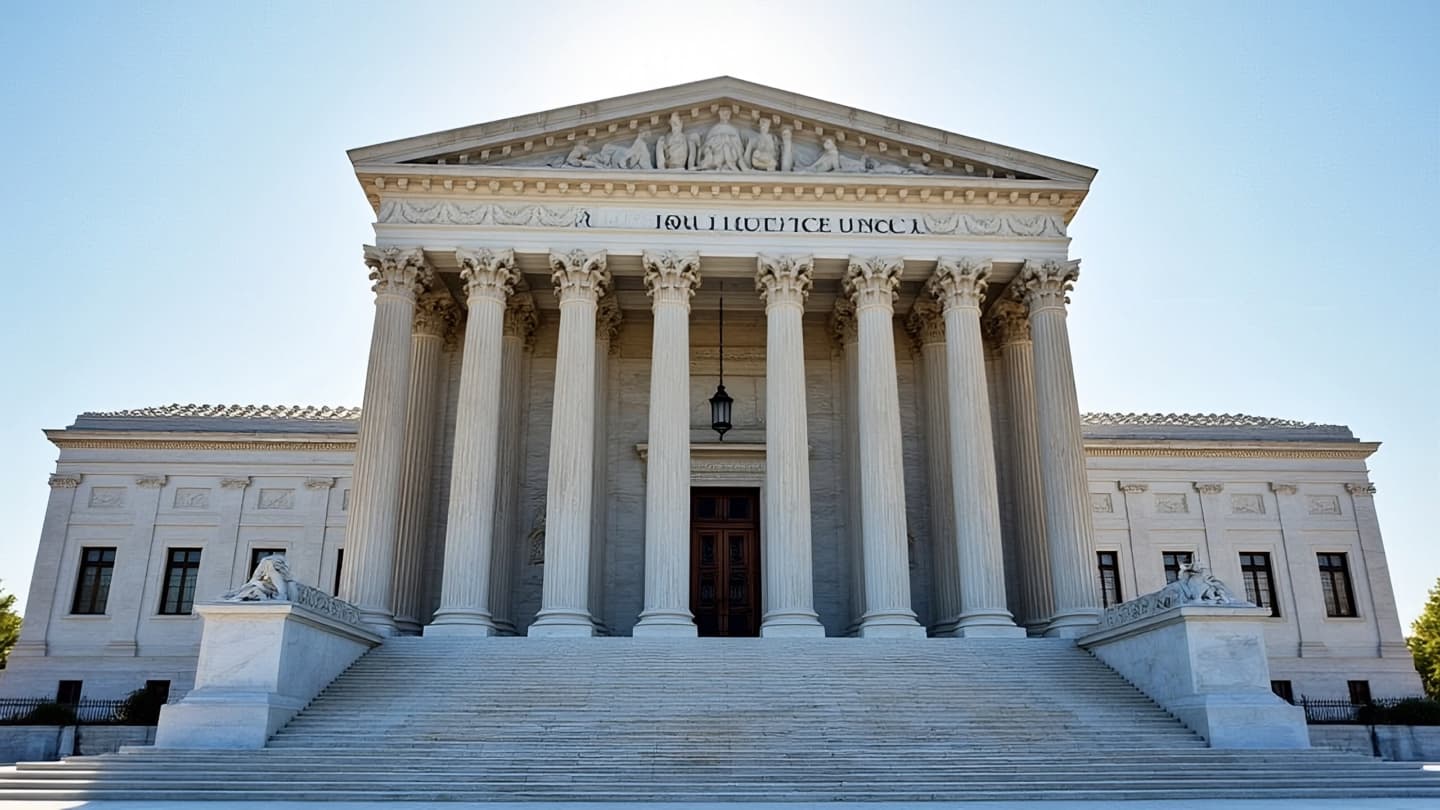
The U.S. Supreme Court recently convened to deliberate on a pivotal case concerning the future of Temporary Protected Status (TPS) for Haitians and Syrians. This legal battle has significant implications for approximately 350,000 individuals who have relied on TPS as a lifeline amid ongoing crises in their home countries. The Court's decision will not only affect the lives of these individuals but also set a precedent for how the U.S. handles humanitarian refuge in the future.
At the heart of the argument lies the interpretation of the Immigration and Nationality Act, specifically whether the government's decision to end TPS is subject to judicial review. Advocates for the petitioners argue that administrative actions must be grounded in a fair assessment of current conditions, emphasizing the need for transparency in government decisions. The courtroom atmosphere during these proceedings reflects a shift from political rhetoric to the precise language of constitutional law, highlighting the importance of due process in protecting vulnerable populations.
As the justices engage in questioning, the tension is palpable. The government contends that conditions in Haiti and Syria have improved sufficiently to warrant the termination of TPS. However, advocates counter this claim by pointing to the persistent gang violence in Haiti and the ongoing civil conflict in Syria, arguing that returning individuals to these conditions would be unsafe. This case marks a significant moment in the ongoing debate over humanitarian aid and the role of the judiciary in overseeing executive authority.
The Supreme Court's deliberation is not merely a legal exercise; it represents a critical juncture in the evolution of U.S. immigration policy. Each question posed by the justices carries the weight of potential change, with the possibility of establishing new precedents that could either restrict or expand the rights of non-citizens. The outcome of this case could reverberate through the legal landscape for generations, influencing how the U.S. approaches immigration and humanitarian issues.
For the Haitian and Syrian communities, the hearing is a moment of collective anticipation. It underscores the necessity of defending the promise of protection under U.S. law, a promise that must be continually evaluated in light of changing circumstances. The Supreme Court serves as a critical platform for these voices, allowing the experiences of the
Published by Banx Network. This article is part of the Banx decentralized media programme, powered by the BXE token on the XRP Ledger.



