
Key Highlights
- 3,000 containers stranded at Karachi port due to Hormuz tensions.
- U.S. naval operations intensify, affecting maritime shipping routes.
- Pakistan and Iran discuss overland transport options for cargo.
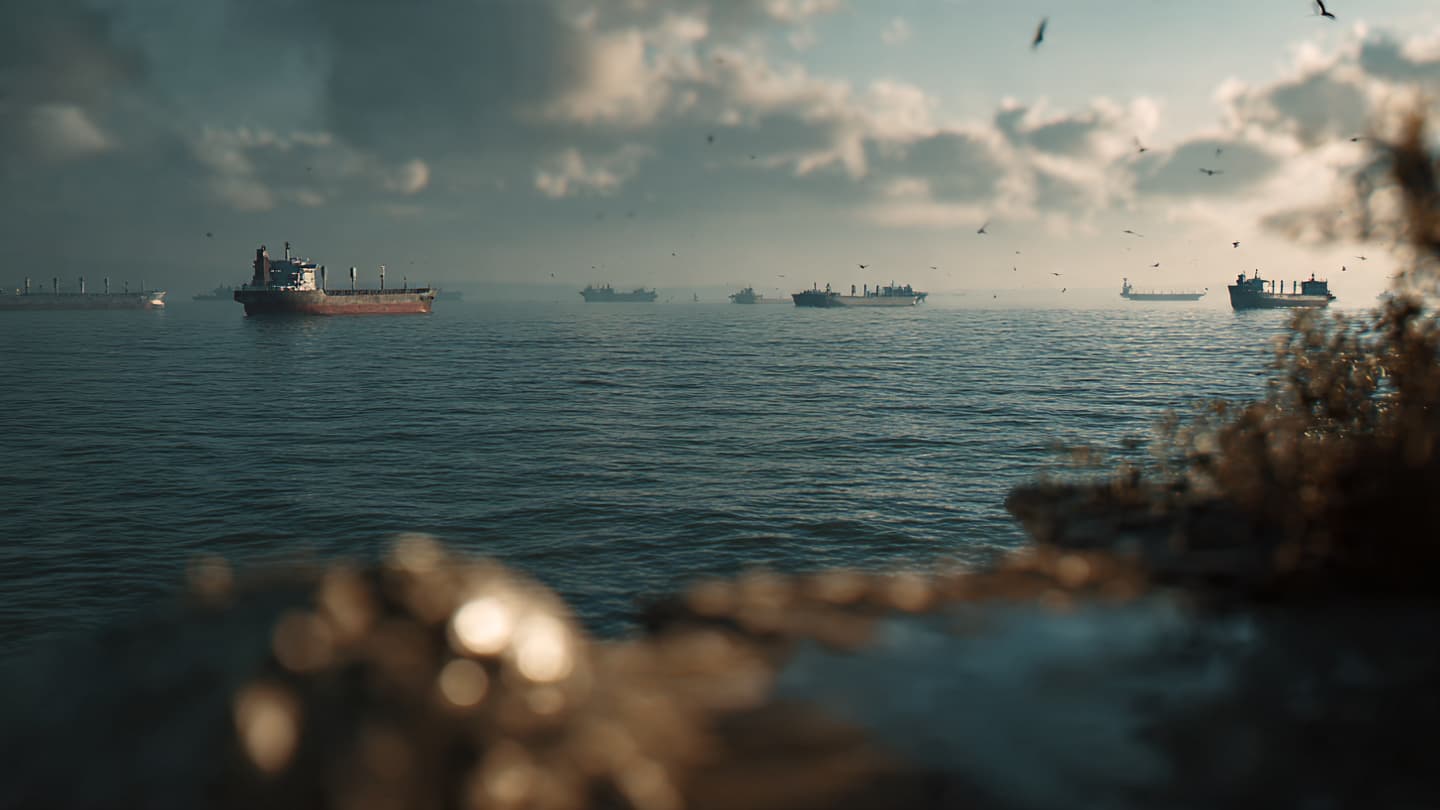
Trade at the port of Karachi has come to a standstill, with approximately 3,000 containers waiting for shipment as geopolitical tensions in the Strait of Hormuz escalate. This disruption is a direct result of Iran's selective access measures and increased U.S. naval operations in the region, which have created a bottleneck in one of the world's most crucial maritime corridors.
The containers, which are meant for Iran, remain idle in Karachi, a stark reminder of the fragility of global trade. The situation has been exacerbated by Iran's recent actions, which include controlling vessel access to the Strait of Hormuz and imposing transit fees on certain ships. These developments have led to a significant slowdown in commerce, with many vessels unable to navigate the increasingly perilous waters.
The Strait of Hormuz is not only a narrow passage but also a vital artery for global oil and gas supplies, with nearly 20% of the world's oil and substantial volumes of liquefied natural gas passing through it. Delays in this region have far-reaching implications, affecting fuel prices, insurance rates, and ultimately, consumer goods availability worldwide.
In response to the backlog, Pakistani officials are reportedly in talks with Iranian counterparts to establish an overland route for the stranded cargo. This proposed plan would involve Pakistani trucks transporting the containers to the Iran-Pakistan border, where Iranian logistics would take over. While this alternative route may alleviate some pressure, it is also expected to be slower and more costly, reflecting the shifting dynamics of trade in the region.
Shipping experts have noted a dramatic increase in war-risk insurance premiums since the conflict escalated. Prior to the current crisis, insurance for a single transit through Hormuz was around 0.12% of a vessel's value; now, estimates suggest it could be as high as 5%, if coverage is available at all. This surge in costs poses a significant challenge for container cargo, where timely delivery is critical, and the risk of spoilage is high.
As the containers continue to wait in Karachi, the economic implications for Pakistan are becoming increasingly severe. The port, already strained by regional instability, is now filled with cargo that cannot move, leading to congested warehouses and disrupted schedules. What was intended to be a transit point has turned into a storage facility, highlighting the broader impact of geopolitical tensions on local economies.
Iran, for its part, has developed resilient systems over decades of sanctions, including barter arrangements and alternative trade routes. However, the current situation underscores the vulnerability of its imports, particularly essential goods like food and fuel. The economic pressure is mounting, and as the situation evolves, both countries must navigate the complexities of trade amidst uncertainty.
This scenario is more than just a logistical challenge; it reflects the intricate web of modern trade, where political decisions can halt the movement of goods thousands of miles away from the decision-makers. The stillness at Karachi port serves as a poignant reminder of how interconnected and fragile global commerce can be.
Published by Banx Network. This article is part of the Banx decentralized media programme, powered by the BXE token on the XRP Ledger.



