The sea at dusk carries a particular kind of quiet—an illusion of stillness stretched over currents that never stop moving. In the narrow passage of the Strait of Hormuz, where tankers glide like patient shadows between continents, that quiet has begun to feel thinner, more fragile, as if the horizon itself were holding its breath.
It is here, along one of the world’s most vital arteries of energy, that the language of diplomacy has turned once more toward urgency. Bahrain, a small island nation with long familiarity of these waters, has stepped forward with a proposal that carries the weight of both caution and consequence: a call for the United Nations Security Council to approve the use of force to protect commercial shipping moving through the strait.
The suggestion arrives not as a sudden storm, but as the accumulation of unsettled tides. Recent months have seen rising tensions ripple across the region, where incidents involving vessels, drones, and military exchanges have become part of a broader pattern of uncertainty. The Strait, through which roughly a fifth of the world’s oil supply passes, has long been both a corridor and a pressure point—a place where geography compresses global stakes into a narrow band of water.
Bahrain’s proposal reflects a growing concern among regional and international actors that existing measures may no longer be sufficient to ensure safe passage. The idea of invoking collective security mechanisms through the United Nations introduces a formal, global dimension to what has often been managed through coalitions, patrols, and uneasy deterrence. It is a shift from presence to permission, from vigilance to sanctioned intervention.
Yet such a move also opens a quieter set of questions, less visible but no less persistent. The authorization of force, even under international mandate, reshapes the rhythm of a place. It transforms not only the legal framework but the lived experience of those who navigate these waters—captains steering tankers through narrow lanes, crews watching distant silhouettes on radar screens, and coastal communities attuned to the distant echo of engines and the nearer pulse of uncertainty.
Across the region, responses have been measured but attentive. Some nations see in Bahrain’s proposal a necessary step to stabilize a corridor essential to global markets. Others approach it with caution, aware that the introduction of formal military authorization could deepen existing tensions or redraw lines that are already faintly, uneasily traced.
The history of the Strait itself offers no easy answers. For decades, it has been both passage and paradox—a place where cooperation and confrontation coexist, often separated by little more than timing and perception. The proposal now before the United Nations carries that same duality: the promise of protection intertwined with the risk of escalation.
As discussions unfold, the waters continue their steady movement, indifferent to the deliberations above them. Ships will pass, as they always have, guided by coordinates and caution. But the framework within which they travel may soon shift, shaped by decisions made far from the decks and bridges where their journeys are lived.
Bahrain’s call places the question squarely before the international community: whether the guardianship of this narrow sea should remain informal and fragmented, or be gathered into a collective mandate. The answer, when it comes, will not alter the geography of the Strait—but it may redefine the meaning of passage through it.
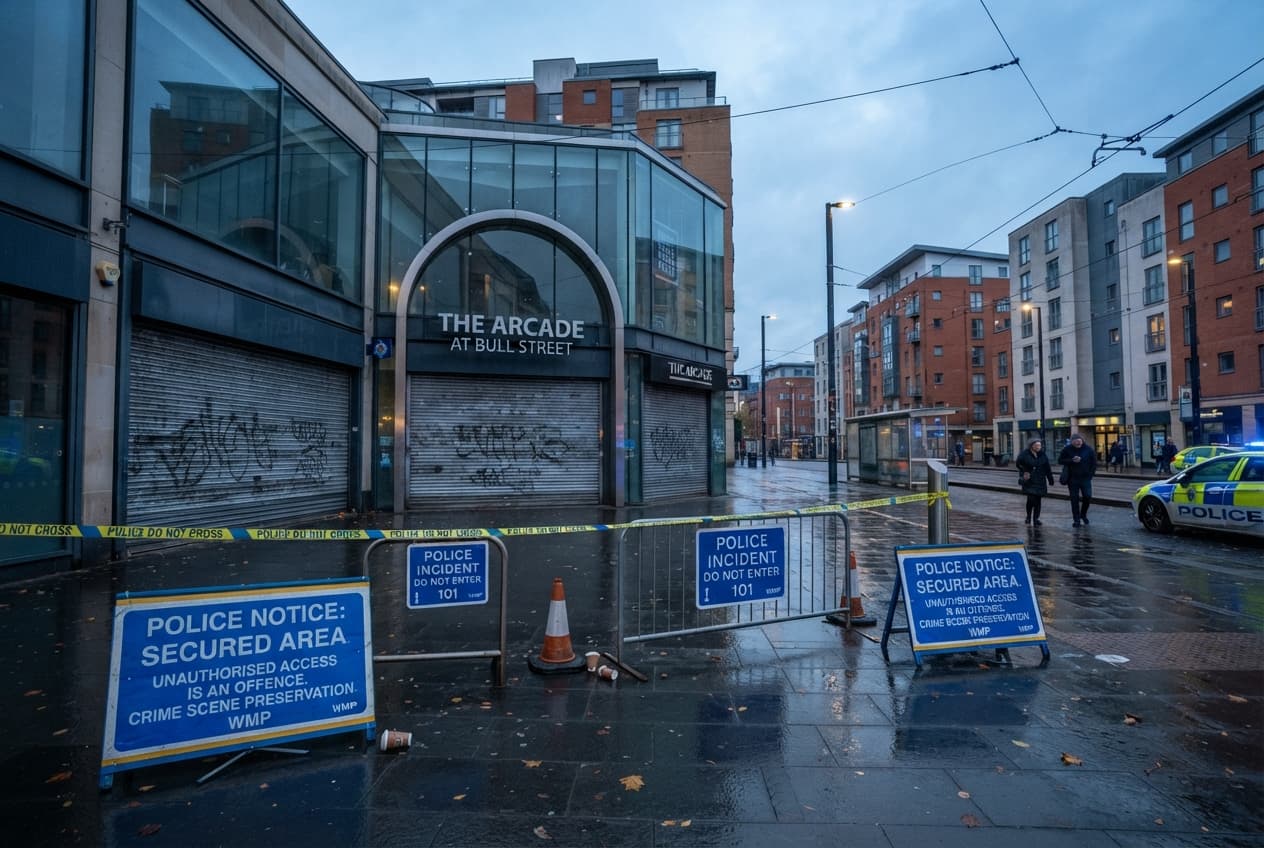
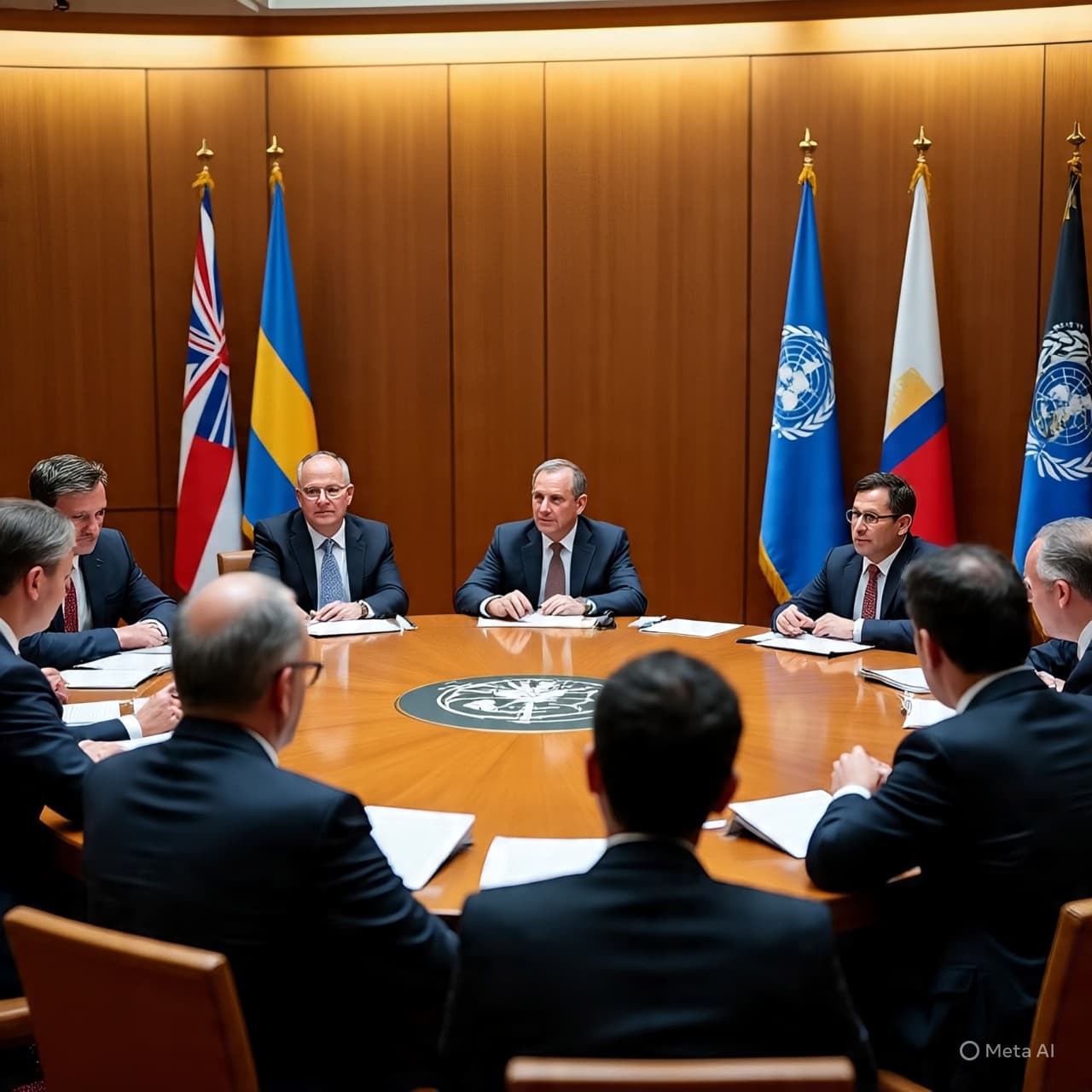
AI Image Disclaimer Illustrations were created using AI tools and are not real photographs.
Sources Reuters Associated Press Al Jazeera BBC The New York Times
Published by Banx Network. This article is part of the Banx decentralized media programme, powered by the BXE token on the XRP Ledger.