
Key Highlights
- Bahrain proposes UN Security Council intervention to protect shipping in the Strait of Hormuz.
- The Strait is a critical passage for approximately 20% of the world's oil supply.
- Rising regional tensions have prompted calls for enhanced security measures.
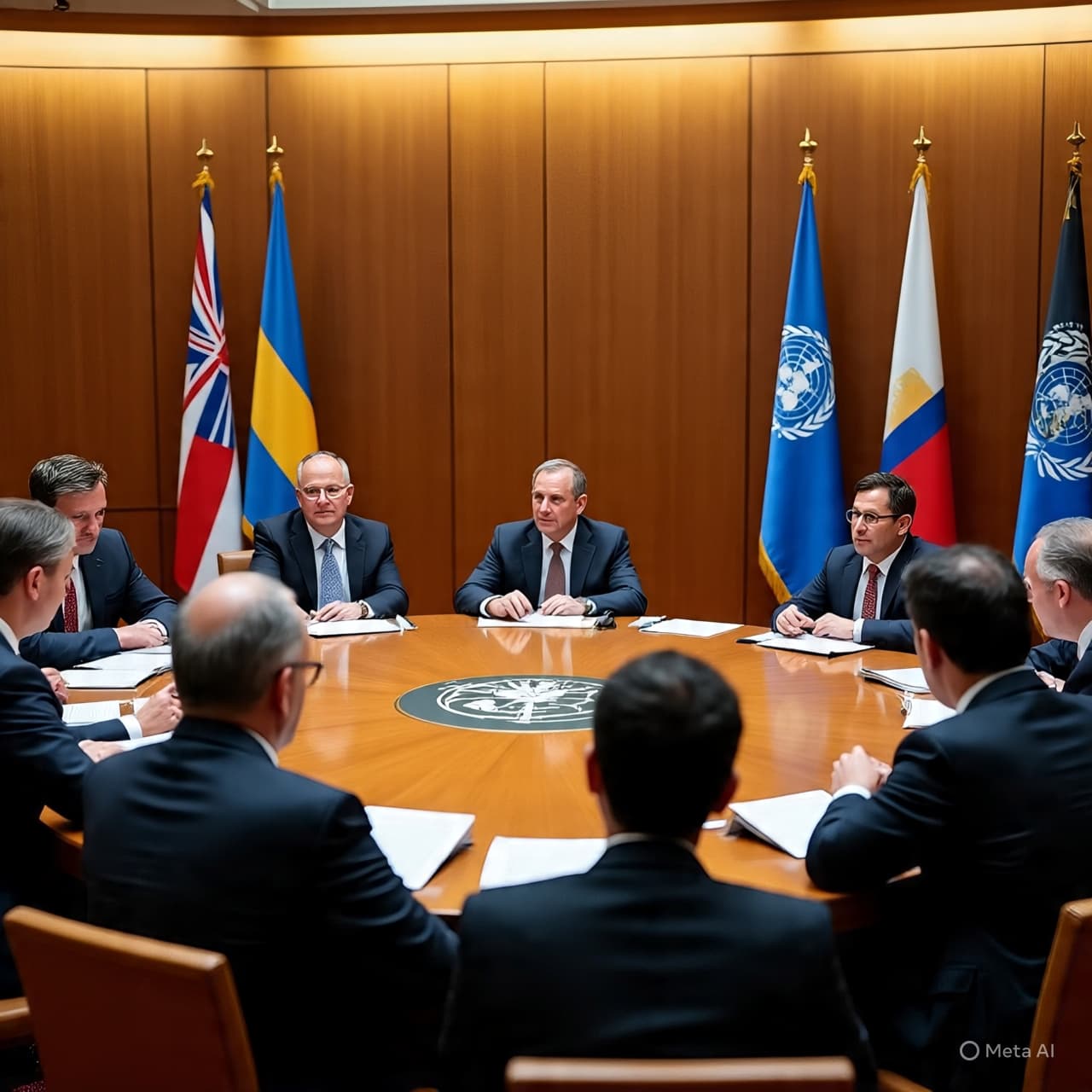
Bahrain's recent proposal to the United Nations Security Council marks a significant moment in the ongoing geopolitical tensions surrounding the Strait of Hormuz. This narrow waterway is not only a vital artery for global oil transport but also a focal point of military and diplomatic maneuvering in the Middle East. The proposal seeks to authorize the use of force to ensure the safety of commercial shipping, reflecting a growing urgency among nations reliant on this crucial passage.
The Strait of Hormuz, through which about one-fifth of the world's oil supply flows, has long been a site of both cooperation and conflict. Recent months have seen an uptick in incidents involving military exchanges and threats to shipping, raising alarms among regional and international stakeholders. Bahrain's call for UN intervention is not merely a reaction to recent events but rather a culmination of escalating tensions that have characterized the region for years.
Bahrain's proposal is significant as it shifts the conversation from informal coalitions and deterrence strategies to a more formalized approach to security. By advocating for collective security mechanisms under the auspices of the United Nations, Bahrain is pushing for a framework that could provide a more robust response to threats in the Strait. This move could potentially redefine how nations interact with one another in this critical maritime corridor, transitioning from a state of vigilant presence to one of sanctioned intervention.
However, the implications of such a proposal are complex. While some nations view the authorization of force as a necessary step to stabilize a vital shipping route, others express caution. The introduction of formal military presence could exacerbate existing tensions and lead to unintended consequences. The delicate balance of power in the region could be further disrupted, raising questions about the long-term stability of the Strait and its surrounding areas.
The historical context of the Strait of Hormuz adds another layer of complexity to the current situation. For decades, this narrow passage has been a paradoxical space where cooperation and confrontation coexist. The ongoing discussions surrounding Bahrain's proposal reflect this duality, as the potential for enhanced security is weighed against the risks of escalation and conflict.
As the international community deliberates on Bahrain's call, the waters of the Strait continue their relentless flow, indifferent to the political machinations above. Ships will navigate these waters, guided by their navigational charts and the ever-present currents of uncertainty. The decisions made by global leaders will not alter the geography of the Strait, but they may significantly impact the nature of passage through it, shaping the experiences of those who traverse this vital maritime route.
Ultimately, Bahrain's proposal places a critical question before the world: should the guardianship of the Strait of Hormuz remain fragmented and informal, or should it be consolidated under a collective international mandate? The answer to this question will resonate far beyond the waters of the Strait, influencing global trade and security dynamics for years to come.
Published by Banx Network. This article is part of the Banx decentralized media programme, powered by the BXE token on the XRP Ledger.



