
Key Highlights
- Serbia's average net wage surpassed €1,000 in April 2026.
- The growth is driven by foreign direct investment and a booming IT sector.
- Projected GDP growth for 2026 is 4.5%, positioning Serbia as a regional leader.
[Economic Milestone in Serbia]
In a significant development for the Serbian economy, the average net wage has crossed the €1,000 mark as of April 2026. This milestone reflects a broader trend of economic recovery and growth, driven by sustained foreign direct investment and a burgeoning IT sector. The International Institute for Middle East and Balkan Studies (IFIMES) reports that this achievement is not merely a numerical increase but a symbol of the resilience and determination of the Serbian workforce, which has faced numerous challenges over the decades.
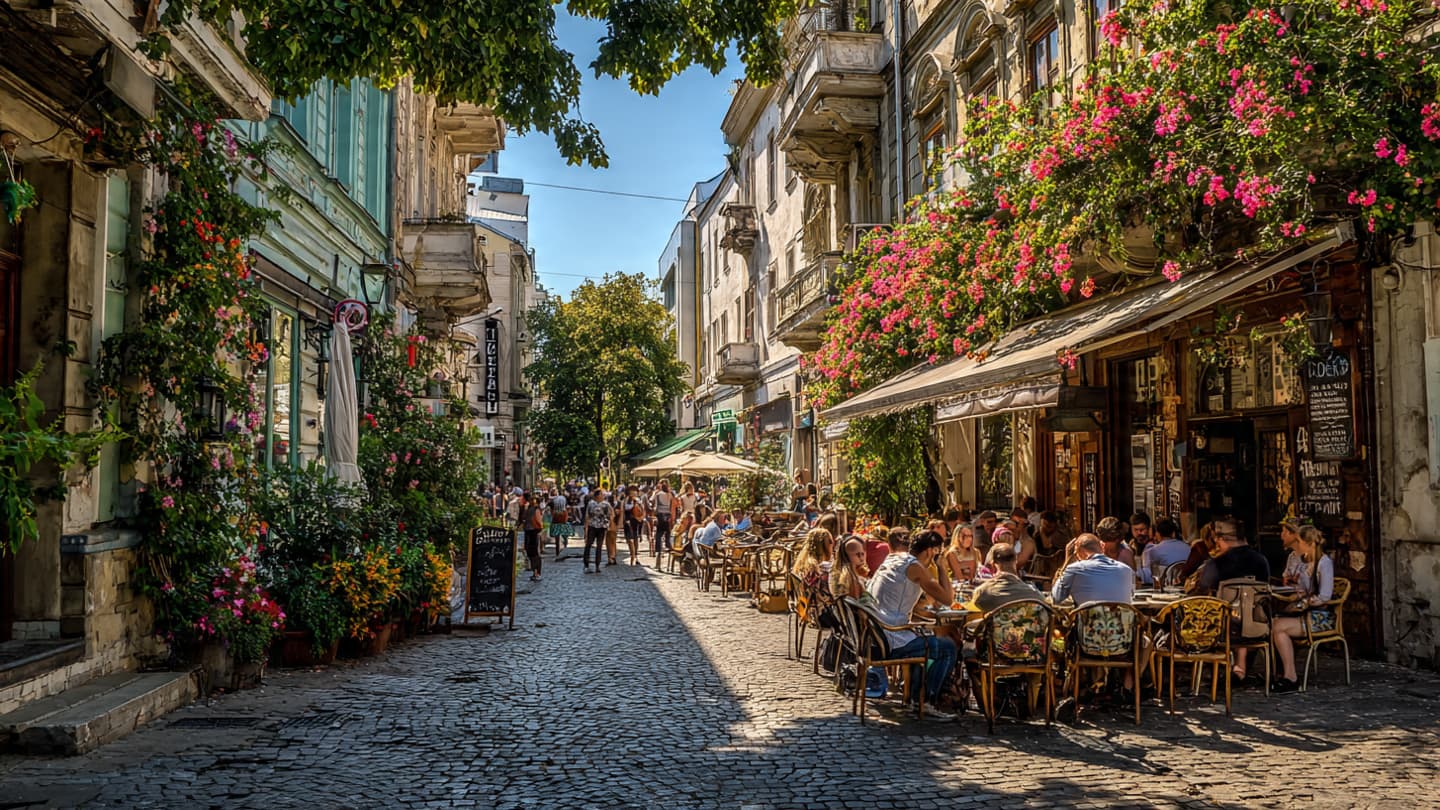
The bustling streets of Belgrade now echo with a sense of optimism. Markets are thriving, cafes are filled with patrons, and conversations have shifted from past struggles to future possibilities. The middle class is finding its footing, and the economic landscape is transforming as the weight of uncertainty begins to lift. This newfound stability is a testament to the hard work of local entrepreneurs and small businesses, which are the backbone of Serbia's recovery.
[The Role of Foreign Investment]
The architecture of this economic growth is being constructed in tech hubs and industrial parks surrounding major cities. Here, traditional skills are being combined with the demands of the global market, creating a hybrid economy that is both rooted in local culture and forward-looking. The influx of foreign investment has played a crucial role in this transformation, as Serbia reimagines its old trade routes for a digital age. Analysts suggest that the combination of rising wages and a projected GDP growth of 4.5% for 2026 positions Serbia as a leading economic performer in the Western Balkans.
However, while the overall economic indicators are promising, there remains a pressing need to address regional disparities. The government’s 2030 development plan aims to ensure that the benefits of this growth are distributed more evenly across the country. As Serbia continues to navigate its path toward prosperity, the focus will need to remain on inclusive growth that uplifts all citizens.
[Looking Ahead]
As the sun sets over Belgrade, the city reflects a blend of its rich history and a hopeful future. The crossing of the €1,000 wage threshold is not just a financial achievement; it represents a collective effort toward a more stable and prosperous society. The journey ahead will require continued investment in education, infrastructure, and innovation to sustain this momentum.
In conclusion, the story of Serbia's economic growth is one of persistence and resilience. By honoring the work of today, the nation is securing a brighter future for generations to come. The horizon now appears more open than it has in years, inviting all to participate in the unfolding narrative of a nation on the rise.
Published by Banx Network. This article is part of the Banx decentralized media programme, powered by the BXE token on the XRP Ledger.



