
Key Highlights
- Tensions between Iran and the U.S. are escalating, influenced by a rebel group.
- The rebel group's actions complicate the geopolitical landscape, affecting trade routes and local governance.
- Geography plays a crucial role in enabling smaller forces to operate autonomously.
Amid rising tensions between Iran and the United States, a rebel group is emerging as a significant yet often overlooked player in the region's complex geopolitical landscape. This group operates within a network of local grievances and broader alliances, complicating what might otherwise be perceived as a straightforward confrontation. Their influence is felt in the spaces between major actors, particularly along critical trade routes and in areas where governance is already tenuous.
The challenge for Washington extends beyond direct engagement with Iran. It involves navigating a web of actors, including non-state groups that can shift the dynamics of conflict. These rebel factions, often motivated by local issues, introduce unpredictability into the situation. Their actions can redirect attention and resources, complicating military and diplomatic strategies that are typically focused on state actors.
Iran has long utilized relationships with non-state actors to extend its influence without engaging in direct confrontation. The activities of this rebel group—ranging from territorial control to strategic attacks—are part of a broader pattern that amplifies Iran's reach while maintaining a degree of separation from formal state structures. This duality allows Iran to exert influence while avoiding direct accountability.
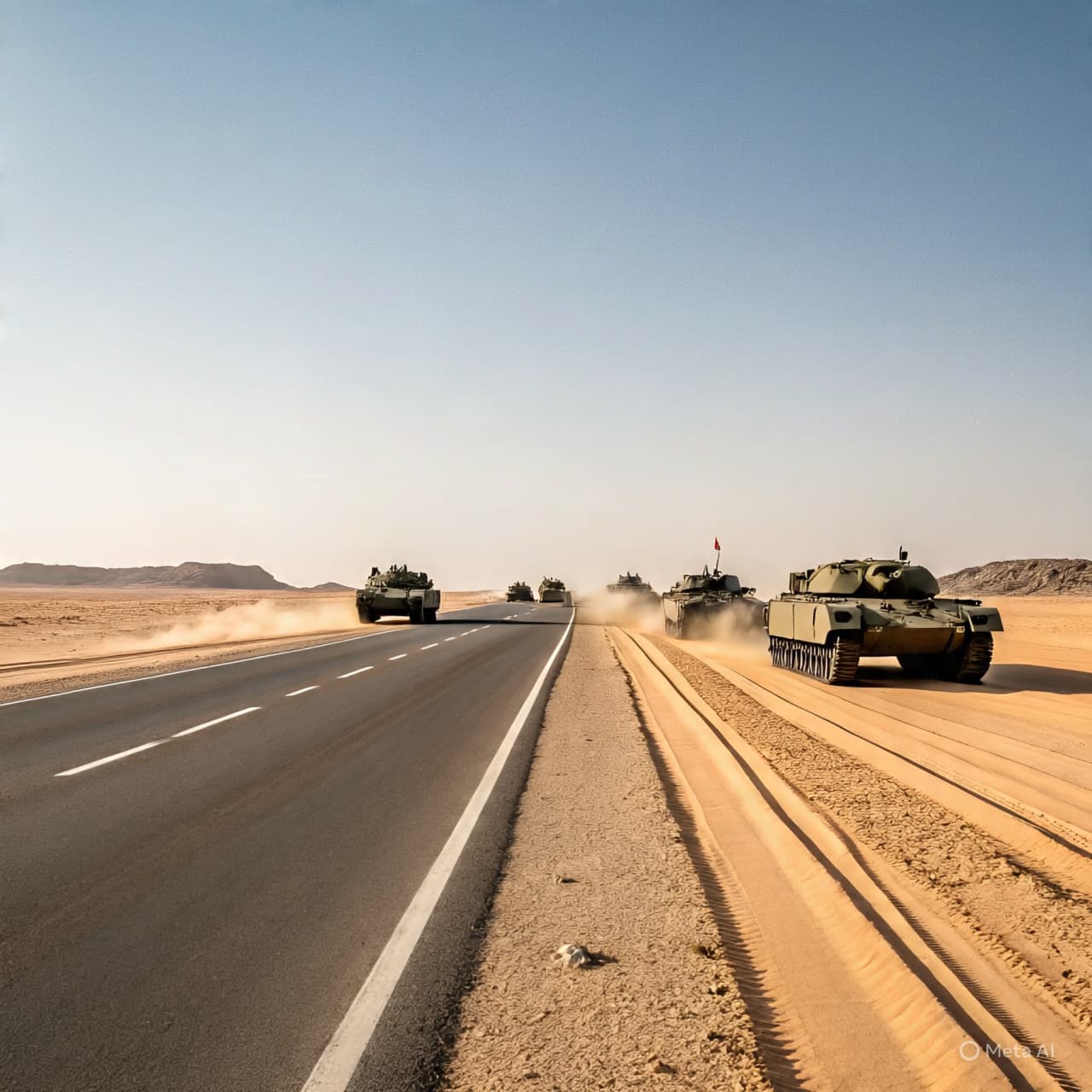
Geography plays a pivotal role in these dynamics. The region's diverse terrain—mountains, deserts, and coastlines—provides smaller forces with the autonomy to operate in ways that larger, centralized military forces may struggle to match. This creates an environment where movement is less predictable, and lines of control become blurred, allowing for the expansion of influence in ways that are not immediately apparent.
For the United States, these complexities necessitate a reevaluation of conventional military planning. Responses must consider not only direct threats but also the indirect pathways through which conflicts can escalate. A military strike in one area may have unforeseen consequences in another, particularly if it provokes a response from a rebel group operating independently yet within the same sphere of influence.
The presence of such groups also reshapes the narrative surrounding the conflict. What may initially appear as a bilateral tension between the U.S. and Iran evolves into a multi-layered landscape, where alliances overlap and objectives diverge. This complexity challenges the clarity of opposing sides, revealing a more intricate picture where outcomes are influenced by various actors whose motivations may not align with those they are perceived to support.
On the ground, these dynamics create a shifting sense of stability for communities near areas of conflict. Local economies and global supply chains are affected as trade routes carry not only goods but also the weight of evolving tensions. The uncertainty surrounding these rebel groups impacts daily life, as communities adjust to the potential for sudden changes in their environment.
As the broader conflict continues to unfold, shaped by decisions made in distant capitals and actions taken in less visible spaces, the rebel group remains a crucial element in this intricate web. Its presence underscores a central truth about modern conflicts: they are rarely contained, seldom simple, and often defined by unclear boundaries. The implications of this group's actions will continue to evolve, influenced by both visible and unseen forces in the region.
Published by Banx Network. This article is part of the Banx decentralized media programme, powered by the BXE token on the XRP Ledger.



