
Key Highlights
- Absence of Military Equipment:This year's Victory Day parade in Moscow will not feature tanks or heavy military vehicles for the first time in nearly two decades.
- Context of Change:The decision reflects shifting military priorities due to the ongoing conflict in Ukraine, where resources are redirected to operational needs.
- Historical Significance:Victory Day commemorates the Soviet Union's victory over Nazi Germany, blending historical remembrance with contemporary military identity.
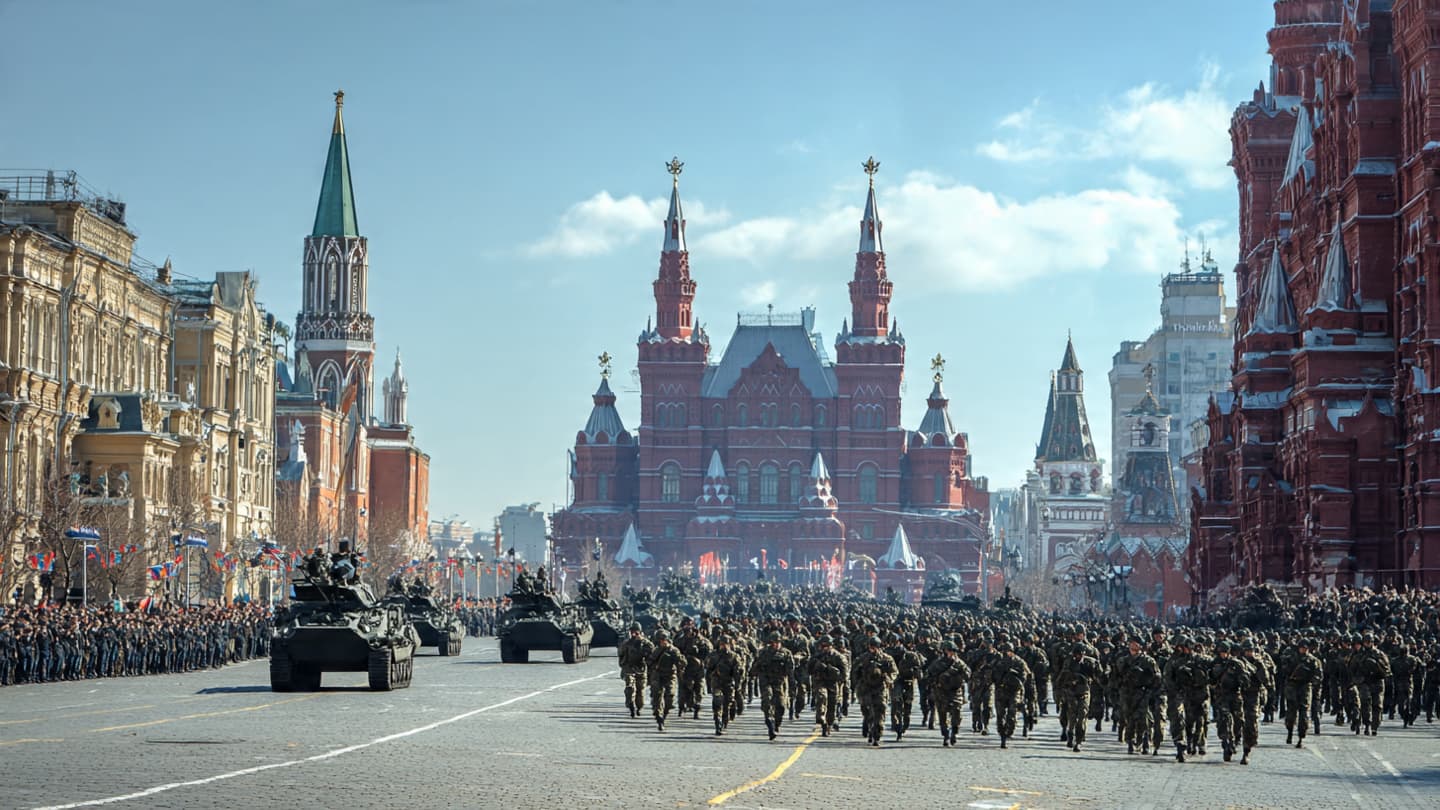
The morning of May 9 in Moscow is traditionally marked by the grandeur of the Victory Day parade, a significant event that honors the Soviet Union's triumph over Nazi Germany in World War II. However, this year, the ceremony will take on a markedly different tone as reports confirm that heavy military equipment, including tanks and missile systems, will be absent from the procession. This marks a significant departure from nearly two decades of tradition, where such displays were central to the event's visual narrative.
The decision to forgo these military displays comes amid a backdrop of ongoing conflict in Ukraine, where military resources are increasingly prioritized for operational use rather than ceremonial purposes. The absence of these symbols of military might not only alters the visual impact of the parade but also invites deeper reflection on the evolving nature of military parades in times of crisis. As the Russian military reallocates its assets, the traditional spectacle of power is reshaped, signaling a shift in both capability and intention.
Victory Day has long served as a dual-purpose event: a solemn remembrance of past sacrifices and a demonstration of current military strength. The absence of heavy equipment this year does not diminish the day’s significance but rather transforms its expression. Observers note that military parades often rely on continuity and the repetition of established forms to reinforce collective memory. The removal of key elements from the parade raises questions about how traditions adapt to contemporary realities.
Despite the lack of military hardware, the core elements of the parade will remain intact. Soldiers will march, music will fill the air, and the act of remembrance will continue to be central to the day's observance. Preparations are underway across Moscow, with rehearsals and ceremonial arrangements proceeding as planned. However, the spaces where armored columns would typically pass will now reflect a different kind of presence—one defined by absence rather than display.
As the date approaches, the parade stands at a crossroads between continuity and change. While the ceremony will honor the historical significance of Victory Day, it will also subtly acknowledge the current realities facing Russia. This year's event serves as a reminder that even the most established traditions are subject to the influences of the times, adapting in response to the broader context of national and international challenges.
In conclusion, the 2026 Victory Day parade in Moscow will unfold as a poignant reminder of history, yet it will also carry the weight of contemporary circumstances, illustrating the complex interplay between memory and the present moment.
Published by Banx Network. This article is part of the Banx decentralized media programme, powered by the BXE token on the XRP Ledger.



