
Key Highlights
- Recent Chinese naval exercises in the Western Pacific reflect ongoing military readiness.
- The drills are part of a broader strategy to enhance blue-water capabilities.
- Regional observers monitor these activities for implications on maritime security.
In the vast expanse of the Western Pacific, the horizon often appears as an unbroken line where sky meets sea. This seemingly tranquil setting has recently been disrupted by increased military activity, particularly from the People's Liberation Army Navy (PLAN). The deployment of a Chinese warship for combat drills has drawn attention, marking a significant moment in the ongoing maritime dynamics of the region. These exercises, while described by defense analysts as routine, occur in a context rich with strategic significance.
The recent drills are emblematic of China's efforts to bolster its naval capabilities beyond its coastal waters. The PLAN's focus on blue-water operations underscores its ambition to project power and maintain operational readiness in distant maritime environments. Such exercises typically involve complex maneuvers, navigation training, and simulated combat scenarios, all designed to enhance the navy's effectiveness in open-sea conditions.
The Western Pacific has become a theater of continuous naval activity, with various nations conducting overlapping exercises. This environment creates a complex tapestry of military presence, where each deployment is part of a larger strategic narrative. The presence of multiple navies, including those of the United States and its allies, contributes to a delicate balance of power in the Indo-Pacific region. Observers note that while the stated purposes of these exercises may differ, the visual similarities can lead to misinterpretations of intent.
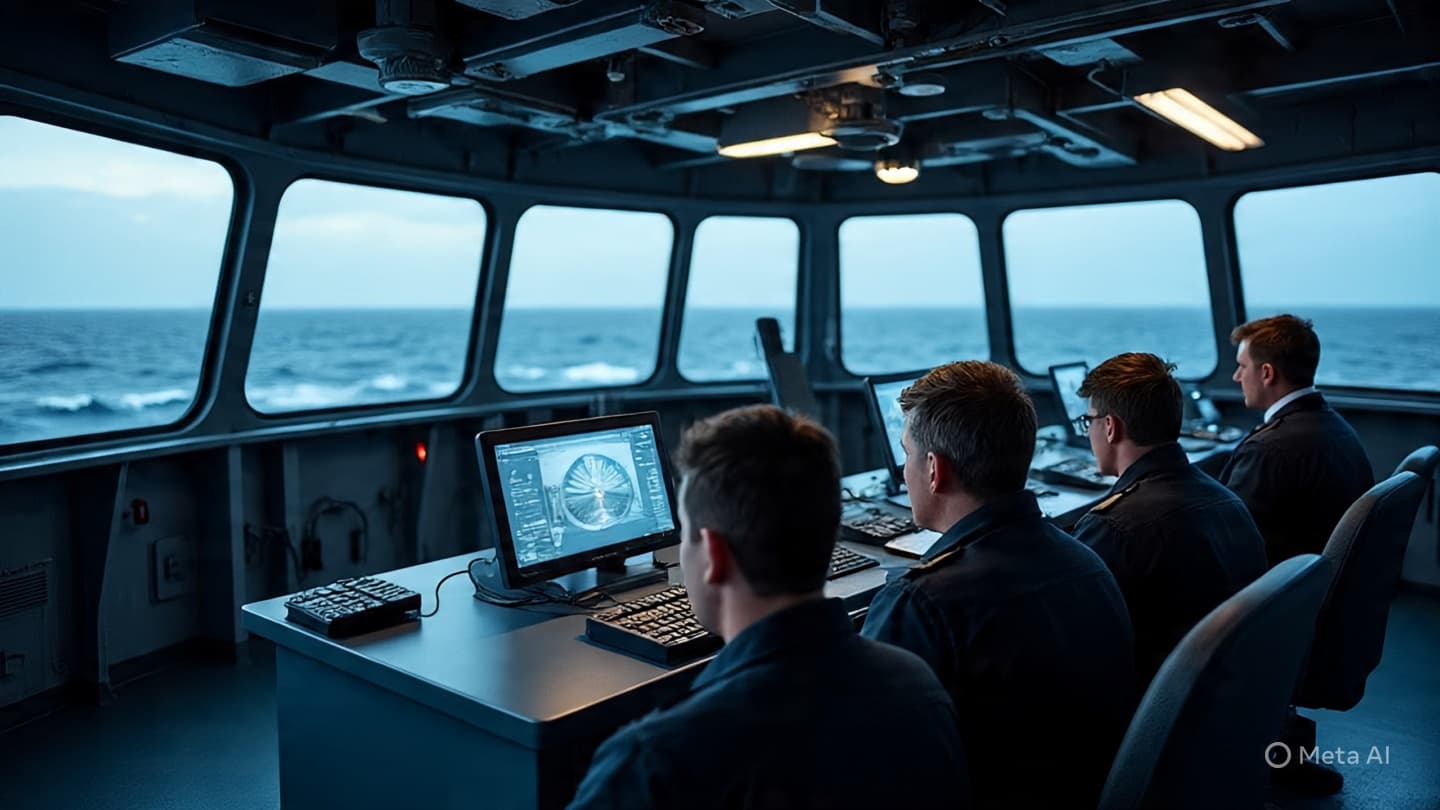
Monitoring these naval movements is crucial for regional security. Coastal states and allied naval command centers utilize advanced radar systems and satellite imagery to track activities in these vital waters. This situational awareness is essential for understanding the broader implications of military exercises, especially in areas critical to global trade and security.
Despite the technical nature of these drills, the essence of naval exercises transcends mere training. Each movement of a vessel through the water carries with it a weight of intention and strategy, interpreted by those observing from afar. The drills follow established protocols, with crews executing rehearsed sequences that test their coordination and readiness. The outcomes of these exercises are meticulously reviewed, contributing to the ongoing assessment of naval capabilities.
As the exercises conclude, the warship's presence seamlessly integrates back into the maritime traffic of the region. Fishing vessels, commercial ships, and other naval assets continue their operations, each following its own path within the shared geography of the Pacific. This blending of military and civilian maritime activities reflects the complexities of modern naval operations.
Ultimately, the significance of these naval exercises lies not just in their immediate actions but in their continuity. They represent a recurring cycle of training, observation, and response that shapes the maritime landscape of the Western Pacific. The sea, while appearing unchanged, is increasingly structured in its use, with each exercise adding a new layer to the evolving narrative of power and presence in the region.
As the Western Pacific remains a focal point of geopolitical interest, the movements within its waters continue to speak volumes about the strategic intentions of the nations that navigate its depths. The horizon may seem endless, but the implications of these maritime activities are far-reaching and profound.
Published by Banx Network. This article is part of the Banx decentralized media programme, powered by the BXE token on the XRP Ledger.



