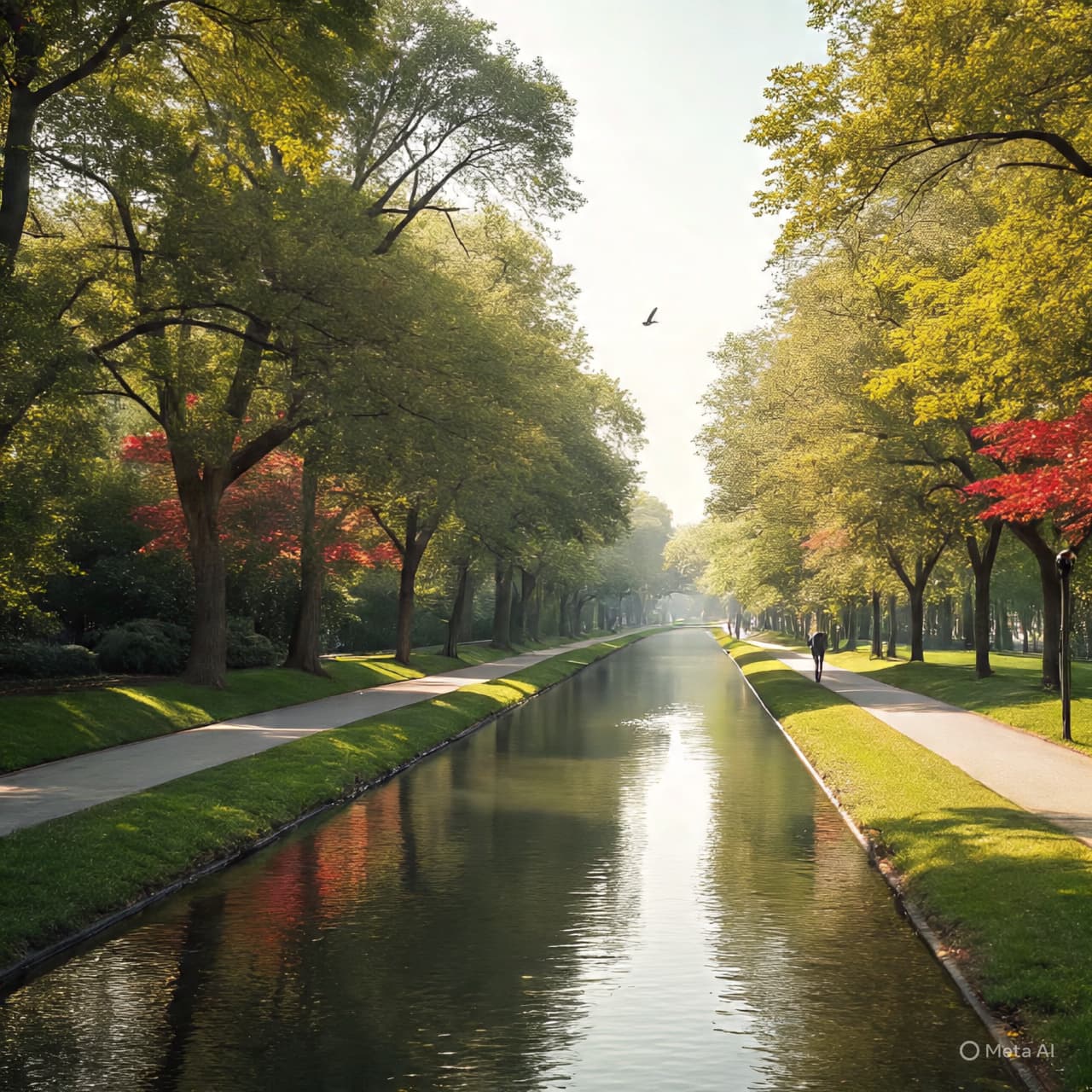
There is a particular way a place reveals itself when seen on foot. The pace slows, details emerge, and what might once have been passed by unnoticed begins to gather meaning. A path, in this sense, is never only a line from one point to another. It is an invitation—to move, to observe, to belong, even briefly, within the spaces it connects.
In Whau, that invitation is taking new form. Plans and developments aimed at expanding pathways through the area have begun to reshape how movement is imagined, not only as transit, but as experience. The name itself, Whau, echoes quietly through the conversation, tying together land, water, and the people who move between them.
These pathways are not imposed suddenly, but introduced gradually, following contours already present in the landscape. Along waterways, across green spaces, and between neighborhoods, they trace routes that reflect both geography and daily life. Each addition extends the network, linking spaces that were once separate, allowing them to be encountered in new ways.
The intention behind such developments often rests in a simple idea: that connection matters. Not only the connection between places, but between people and the environments they inhabit. Walking and cycling paths offer more than convenience; they create opportunities for interaction, for quiet presence, for a different relationship with distance and time.
Yet even in their quietness, these changes carry complexity. Planning requires coordination, consultation, and an awareness of how new routes will intersect with existing patterns. Community voices become part of the process, shaping decisions about where paths should run and how they should be used. The result is not a single vision, but a layered one, built from multiple perspectives.
There is also a sense of continuity in such projects. Pathways often follow older lines—historic tracks, natural edges, or routes that have long been part of informal movement. In formalizing them, the present acknowledges what has come before, giving structure to something that already existed in fragments.
As the network grows, its impact is felt not in a single moment, but over time. A walk that becomes easier, a journey that becomes more direct, a space that becomes more accessible. These are small shifts, yet they accumulate, gradually altering how a place is experienced.
In Whau, the unfolding of these pathways reflects a broader pattern seen in many urban areas—a recognition that movement need not always be hurried, that infrastructure can serve not only efficiency, but also connection. The paths themselves remain quiet, but their presence is felt in the way people begin to use them.
And so the landscape adjusts, not dramatically, but steadily. Lines are drawn where none were before, or where they existed only faintly. The act of moving through the area becomes, in some small way, an act of rediscovery.
New pathways are being developed in Whau, Auckland, as part of efforts to improve connectivity for walking and cycling. The projects aim to link communities and enhance access to local spaces through expanded infrastructure.
AI Image Disclaimer Illustrations were created using AI tools and are not real photographs.
Sources RNZ Stuff The New Zealand Herald 1News Auckland Transport
Published by Banx Network. This article is part of the Banx decentralized media programme, powered by the BXE token on the XRP Ledger.