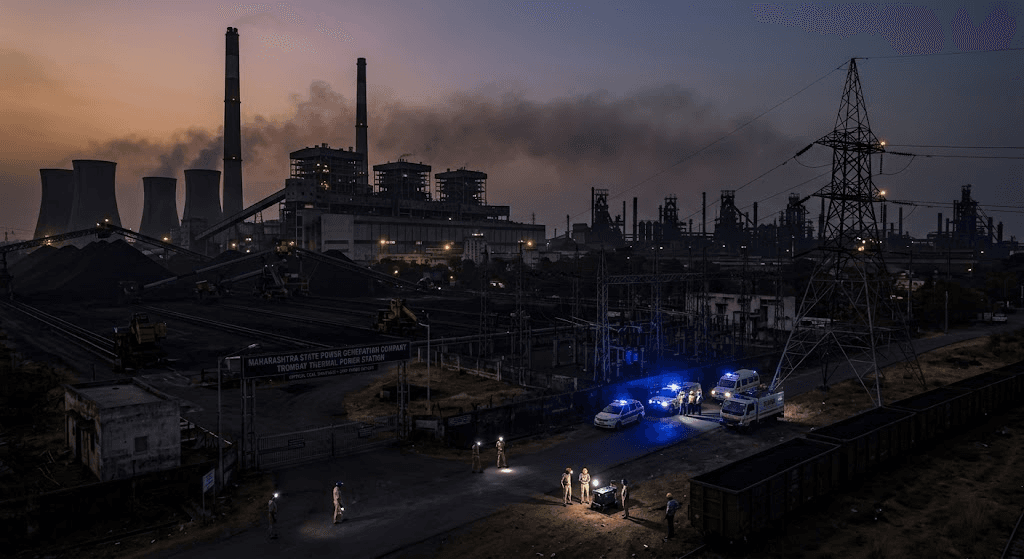
On certain mornings, when the horizon seems poised with promise and dew settles quietly on fields just awakening, the light can turn unexpectedly soft. Such is the nature of markets and the whispers of geopolitics — a changing breeze can subtly alter the weather of global price expectations. In the gentle currents of recent days, oil, long sensitized to geopolitical tensions, seems to have felt the sigh of a calmer dialogue.
In trading sessions this week, global crude benchmarks — Brent and West Texas Intermediate — eased about three percent, retracing part of a recent climb that had been powered by uneasy anticipation over a possible escalation in U.S.–Iran relations. The shift came after leaders from both Washington and Tehran publicly signaled a move toward talks and negotiation, prompting traders to reassess the likelihood of conflict disrupting crude flows. For a commodity that courses through daily life worldwide, even the hint of peace can quiet voices that had priced in risk.
Prices had previously reached multi-month highs as geopolitical concerns buoyed the market, with the possibility of military action injecting a risk premium into crude benchmarks. Oil’s place in the global economy — as a backbone of transportation, industry, and energy — means that even distant diplomatic overtures can ripple outward, shaping decisions from refineries to retail fuel pumps. So when U.S. leadership described serious engagement with Iranian counterparts, markets responded like water finding a lower contour, following the path of reduced tension.
The response was not sudden nor chaotic. Rather, prices unwound with the quiet deliberation of a tide retreating from the shore. Brent crude futures dipped back toward the mid–$60 per barrel range, while West Texas Intermediate eased below key resistance levels sustained in recent weeks. Traders spoke of profit-taking after recent gains, and of the broader context of global supply that, outside of geopolitical uncertainty, remains ample.
In markets attuned to nuance, even repetitive headlines can carry fresh meaning when repeated in a new context. Words of dialogue shift expectations, just as a morning breeze can alter the scent of rain. For many observers, the current decline in oil prices reflects not only a technical move on trading screens, but a recalibration of sentiment as fears of a conflict-induced supply shock lessen — however tentatively.
Still, the interplay of politics, economics, and energy demand means that markets remain watchful. Oil is not merely a commodity; it is woven into patterns of growth, inflation, and global interdependence. The balance between risk and reward, between tension and détente, is never fixed. Traders and households alike are reminded that price movements often carry layers of narrative as much as data.
As the week progressed, broader financial markets also reflected this tempering of risk appetite. Stocks in Asia and U.S. futures markets edged lower alongside oil, in part influenced by the unfolding energy price movement and shifts in inflation expectations. While some volatility persists, there is a certain quiet in the air where there was once only speculation and strain.
In a world attentive to headlines and geopolitical shifts, even a modest easing of diplomatic tension can change the market’s rhythm. For now, oil prices have adjusted gently to the new notes in the geopolitical melody, and investors, producers, and consumers alike watch how the next phrase unfolds.
AI IMAGE DISCLAIMER
Illustrations were produced with AI and serve as conceptual depictions.
SOURCES (MEDIA NAMES ONLY)
Reuters AP News Yahoo Finance (Reuters reporting) Business Standard Dunya News
Published by Banx Network. This article is part of the Banx decentralized media programme, powered by the BXE token on the XRP Ledger.