
Key Highlights
- Rising Civilian Casualties:Recent data shows military operations in Burkina Faso and Mali have led to more civilian deaths than jihadist attacks.
- Complex Conflict Dynamics:The interplay between state forces and armed groups complicates the security landscape for local populations.
- International Accountability:Human rights organizations call for improved military oversight and adherence to ethical standards.
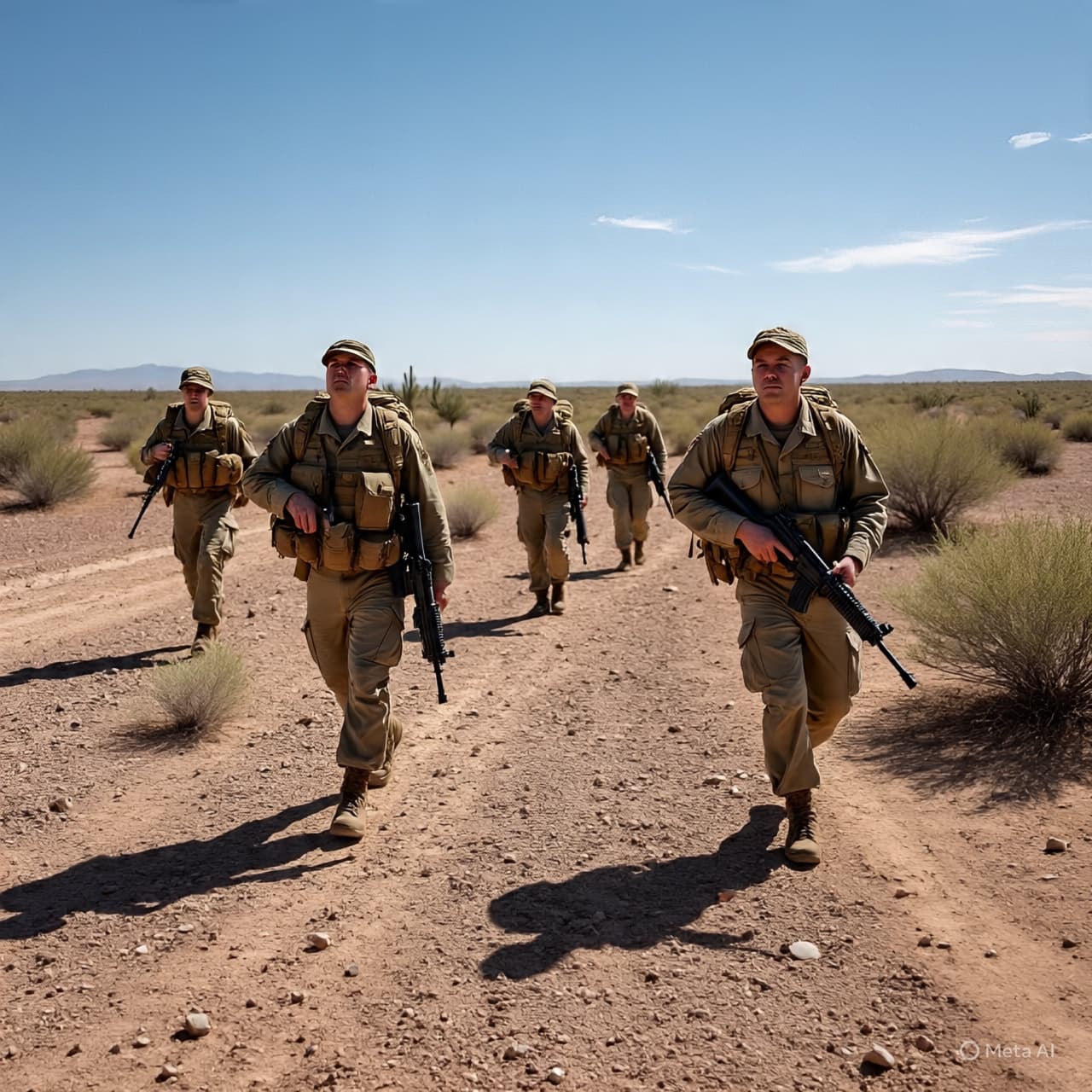
In the wide, sun-bleached stretches of the Sahel, the land carries a stillness that feels both expansive and exposed. Villages sit low against the horizon, their presence marked by dust paths and scattered trees, where life moves in rhythms shaped by climate, community, and quiet endurance. Here, distance is vast, and yet events—when they come—arrive with a closeness that cannot be avoided.
Across Burkina Faso and Mali, that stillness has been repeatedly broken by violence, part of a prolonged conflict involving state forces and armed jihadist groups. Yet recent data has drawn attention to a more complex and troubling pattern: civilians, it suggests, are increasingly caught not only in the actions of insurgents, but also in operations carried out by national militaries.
The figures indicate that troops in both Burkina Faso and Mali have, in certain periods, been responsible for more civilian deaths than the jihadist groups they are tasked with confronting. Such findings do not arrive as a single, defining moment, but as part of an accumulation—data points that, when viewed together, reveal a pattern difficult to overlook.
For governments facing persistent insurgencies, the challenge of restoring security is both urgent and complex. Armed groups operate across remote areas, often blending into terrain and communities, making distinctions between combatants and civilians increasingly difficult. In this environment, military operations carry risks that extend beyond their intended targets, sometimes with consequences that ripple outward through already vulnerable populations.
Within local communities, the impact is felt in ways that statistics alone cannot convey. Trust becomes fragile, shaped by experiences that vary from place to place. The presence of armed forces, meant to provide protection, can carry a dual perception—both reassurance and unease—depending on the circumstances and outcomes of their actions.
At the same time, jihadist groups continue to pose a significant threat, carrying out attacks that destabilize regions and displace communities. The conflict, therefore, resists simple framing. It is not a matter of one source of violence replacing another, but of overlapping pressures that leave civilians navigating a landscape of uncertainty from multiple directions.
International observers and human rights organizations have increasingly focused on these dynamics, calling for greater accountability and adherence to legal and ethical standards in military operations. Training, oversight, and transparency are often cited as essential components in addressing such challenges, though their implementation can be uneven in contexts shaped by urgency and limited resources.
For Burkina Faso and Mali, the broader struggle continues—to confront insurgency while maintaining the trust and safety of their populations. It is a balance that proves difficult to sustain, particularly in regions where governance is stretched and infrastructure remains limited.
As the dust settles after each incident, the landscape returns to its familiar stillness. Yet beneath that surface lies a quieter accumulation of memory—events that shape how communities perceive both threat and protection. Over time, these perceptions influence not only the present, but the possibilities for stability in the future.
In the end, the data offers a stark reminder of the human dimension of conflict. It highlights not only the scale of violence, but its direction and consequence. And in the Sahel’s vast, open spaces, where life continues under an unyielding sky, the question remains how security can be pursued without deepening the very vulnerabilities it seeks to address.
Published by Banx Network. This article is part of the Banx decentralized media programme, powered by the BXE token on the XRP Ledger.



