Dawn, in the high valleys of Colombia, often arrives quietly—mist rising from green slopes, light gathering slowly along ridgelines, as if the day itself hesitates before unfolding. It is a landscape accustomed to movement: of wind through jungle canopies, of aircraft tracing invisible lines between distant cities. Yet on this morning, the sky carried a different weight, one that would settle not in clouds, but in memory.
Somewhere between departure and destination, a military aircraft faltered. What had begun as a routine passage—one more thread in the fabric of national logistics—shifted abruptly into rupture. The plane went down, and with it, a moment that would ripple outward across families, institutions, and a country long familiar with both resilience and loss. Early reports spoke of at least 34 lives lost, with dozens more wounded, their injuries forming a quieter, ongoing story of survival.
Details emerged gradually, as they often do in the aftermath of such events—fragments of information carried through official statements and local accounts. The aircraft, part of Colombia’s military operations, had been navigating terrain that is as beautiful as it is unforgiving. The country’s geography, with its mountains, dense forests, and shifting weather patterns, has always demanded a careful negotiation between human intention and natural force. In that negotiation, even the most routine journeys carry an undercurrent of uncertainty.
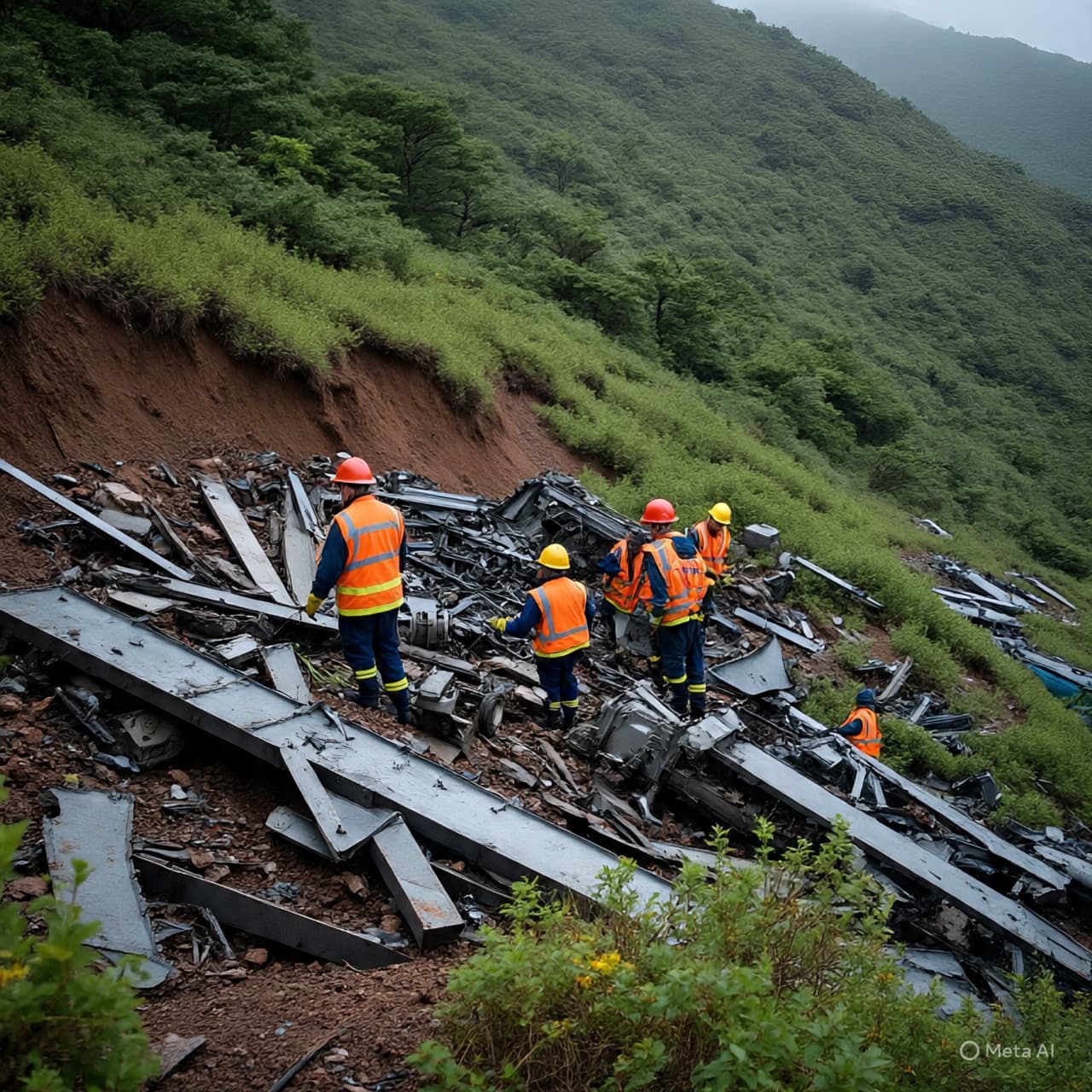
Rescue teams moved quickly, threading their way through difficult terrain, guided by urgency and the faint coordinates of distress. Their work unfolded in layers: the immediate search for survivors, the careful extraction of the injured, the solemn acknowledgment of those who would not return. In nearby communities, the sound of helicopters and distant sirens became part of the day’s rhythm, folding into the ordinary lives of people who watched, waited, and quietly absorbed the scale of what had occurred.
In the broader arc of Colombia’s history, moments like this do not stand alone. They settle into a continuum of events that test the boundaries between infrastructure and environment, between planning and unpredictability. Aviation, particularly in regions marked by complex terrain, is both a necessity and a risk—a bridge that connects, but one that must constantly adapt to the contours of the land below.
Officials have begun the process of investigation, seeking clarity in the patterns left behind: mechanical records, weather conditions, human decisions. These inquiries, though technical in nature, carry a deeper purpose—to understand not only what happened, but how such moments might be prevented from repeating. Yet even as those questions take shape, the human dimension remains immediate and unambiguous.
Families wait for confirmation, for names, for the slow and careful communication that follows tragedy. Hospitals continue their quiet vigilance over the আহত, where recovery becomes a different kind of journey—measured not in distance, but in days and small increments of healing. Across military ranks and civilian spaces alike, there is a shared recognition of absence, a space where presence once was.
As the day moves forward and the light changes, the facts remain stark: dozens gone, many more affected, an aircraft reduced to fragments against the landscape. And yet, within that starkness, there is also the steady, unspoken work of response—of tending, of remembering, of piecing together what can be understood.
In the end, the sky over Colombia will return to its familiar rhythms. Flights will resume, routes will be retraced, and the horizon will once again suggest continuity. But for now, the air carries something quieter—a pause, a recognition, and the lingering echo of a journey that did not reach its destination.
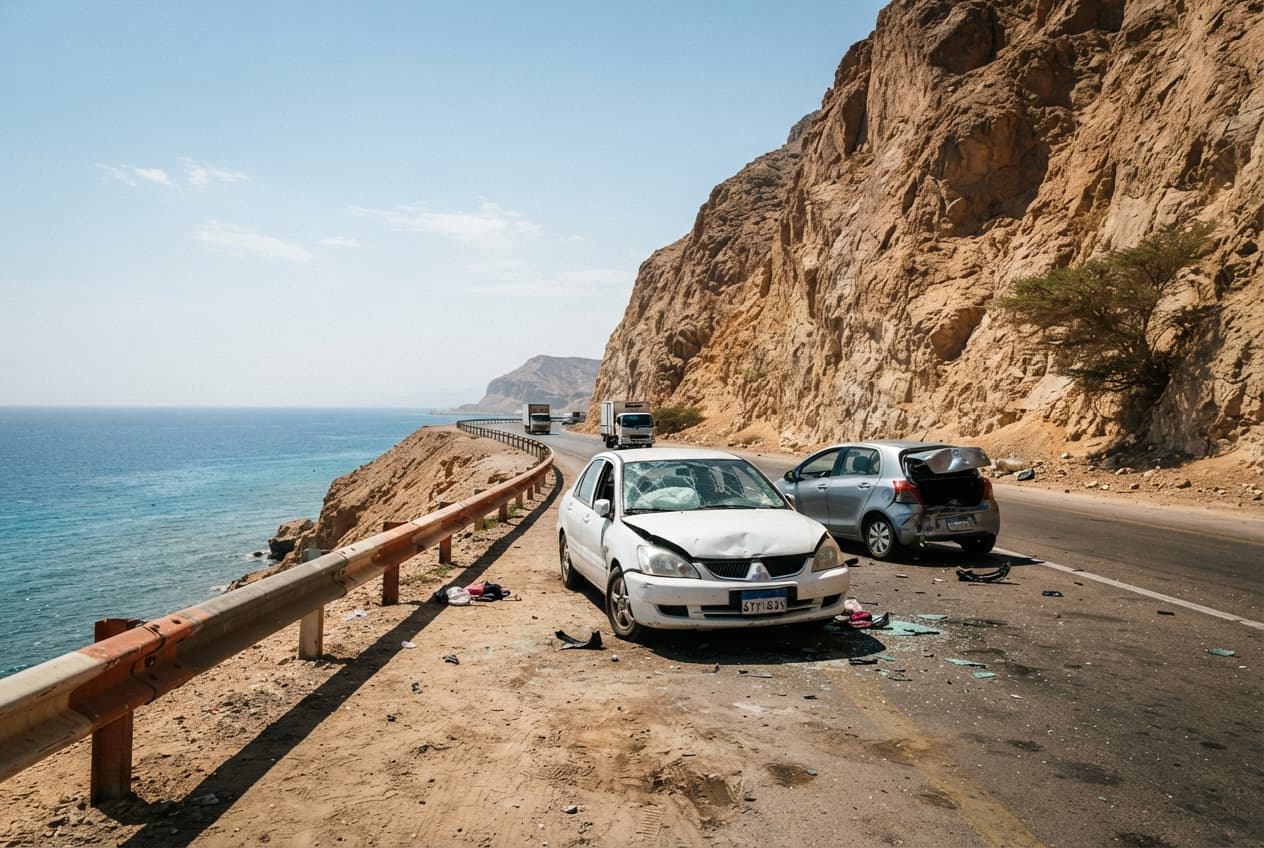
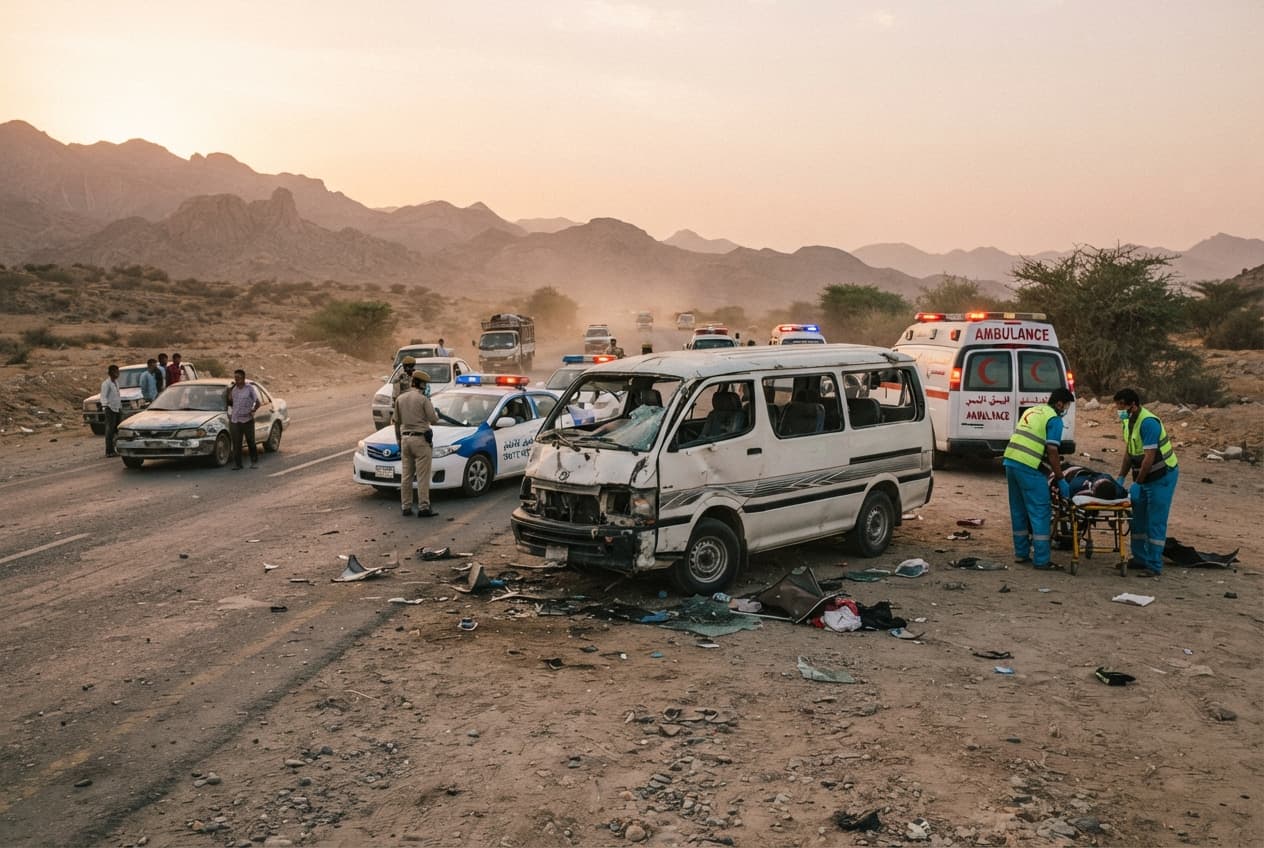
AI Image Disclaimer Illustrations were created using AI tools and are not real photographs.
Sources Reuters Associated Press BBC News Al Jazeera Colombia Ministry of Defense
Published by Banx Network. This article is part of the Banx decentralized media programme, powered by the BXE token on the XRP Ledger.