
Key Highlights
- Incident:A military aircraft crash in Colombia resulted in at least 34 fatalities.
- Response:Rescue teams are working to locate survivors and assist the injured.
- Investigation:Authorities are investigating the causes of the crash to prevent future incidents.
On a quiet dawn in the high valleys of Colombia, the day began with an unsettling weight. Mist rose from the lush green slopes, and the light gathered slowly, as if nature itself hesitated to unfold the day. This tranquil landscape, accustomed to the movement of wind through jungle canopies and aircraft tracing invisible lines between cities, was abruptly transformed by tragedy. A military aircraft, on what was supposed to be a routine flight, faltered and crashed, marking a somber moment that would resonate across families, institutions, and a nation familiar with both resilience and loss.
Initial reports indicate that at least 34 lives were lost in the crash, with many others suffering injuries. The incident has not only claimed lives but has also woven a narrative of survival and grief that will unfold in the days to come. As details emerged, they painted a picture of a military operation navigating the challenging Colombian terrain—characterized by its mountains, dense forests, and unpredictable weather. This geography demands a careful balance between human intention and the forces of nature, making even routine flights fraught with risk.
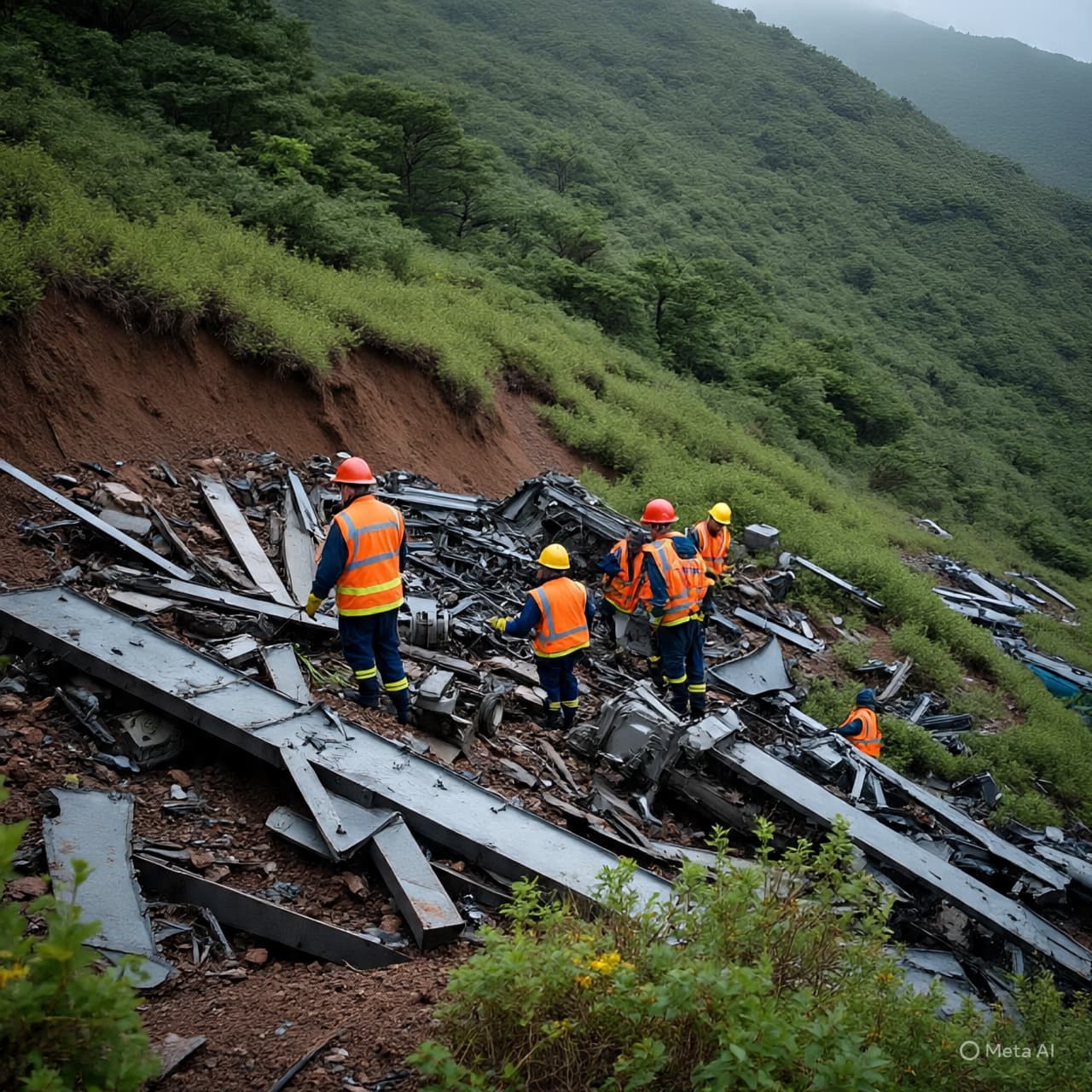
Rescue teams mobilized quickly, traversing difficult terrain in search of survivors. Their efforts were marked by urgency, as they navigated through the chaos of the crash site, focusing on locating those who might still be alive. The sound of helicopters and sirens filled the air, becoming part of the daily rhythm for nearby communities, who watched and waited, absorbing the gravity of the situation. The immediate response involved not only the search for survivors but also the solemn task of recovering those who would not return.
In the context of Colombia's complex history, such tragedies are not isolated events. They are part of a continuum that challenges the balance between infrastructure and the environment. Aviation in Colombia, particularly in regions with difficult terrain, is both a necessity and a peril. It serves as a vital link connecting remote areas, yet it also requires constant adaptation to the land's contours. The crash has reignited discussions about aviation safety and the need for rigorous standards in military operations.
As investigations begin, officials are tasked with piecing together the circumstances surrounding the crash. They will examine mechanical records, weather conditions, and human decisions to understand what went wrong. These inquiries are crucial not only for accountability but also for preventing similar incidents in the future. However, the human aspect of this tragedy remains immediate and poignant, as families await confirmation of their loved ones' fates.
Hospitals are now on high alert, tending to the injured and providing care as recovery becomes a different kind of journey—one measured not in distance but in the slow, often painful process of healing. Across military ranks and civilian spaces, there is a shared recognition of the absence left by those who perished, a void where presence once was. The emotional toll of this incident will resonate long after the immediate response has concluded.
As the day progresses, the stark reality remains: dozens have lost their lives, and many more are affected. The aircraft, once a symbol of connection, is now reduced to fragments against the landscape. Yet, amid this tragedy, there is also a quiet determination to respond, to remember, and to seek understanding. The sky over Colombia will eventually return to its familiar rhythms, with flights resuming and routes retraced. But for now, the air is heavy with a collective pause, a recognition of loss, and the lingering echo of a journey that did not reach its destination.
Published by Banx Network. This article is part of the Banx decentralized media programme, powered by the BXE token on the XRP Ledger.



